

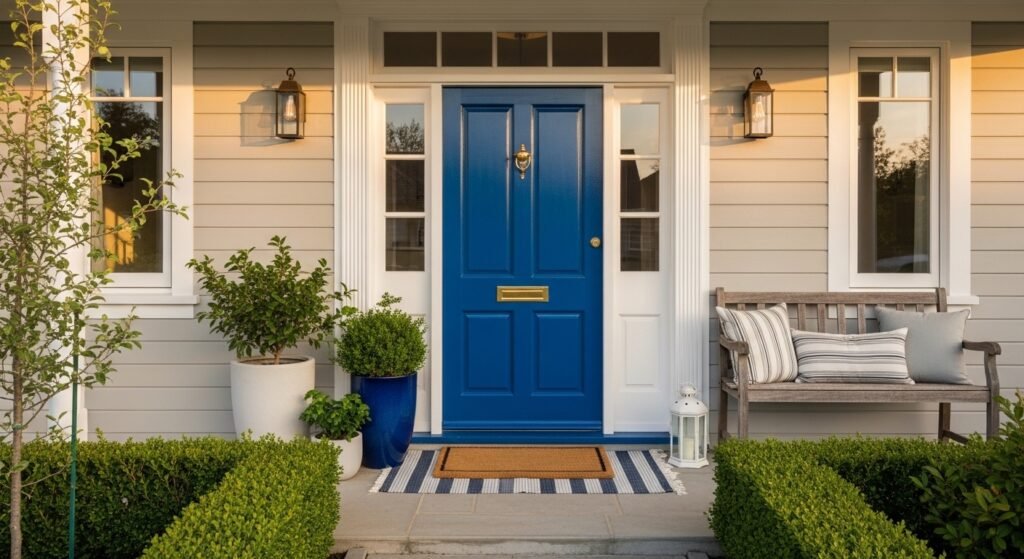
I used to ignore the front of my house. It was serviceable, but no one ever stopped to look. Took me one weekend of small fixes to realize curb appeal is mostly about details you can do yourself, not big budgets. These ideas lean modern cottage with a bit of coastal calm. Most projects are under $200, with a few splurges around $300. They work for front porches, narrow stoops, and small yards where every inch counts.
Bold Front Door with Classic Hardware for a Modern Cottage Vibe
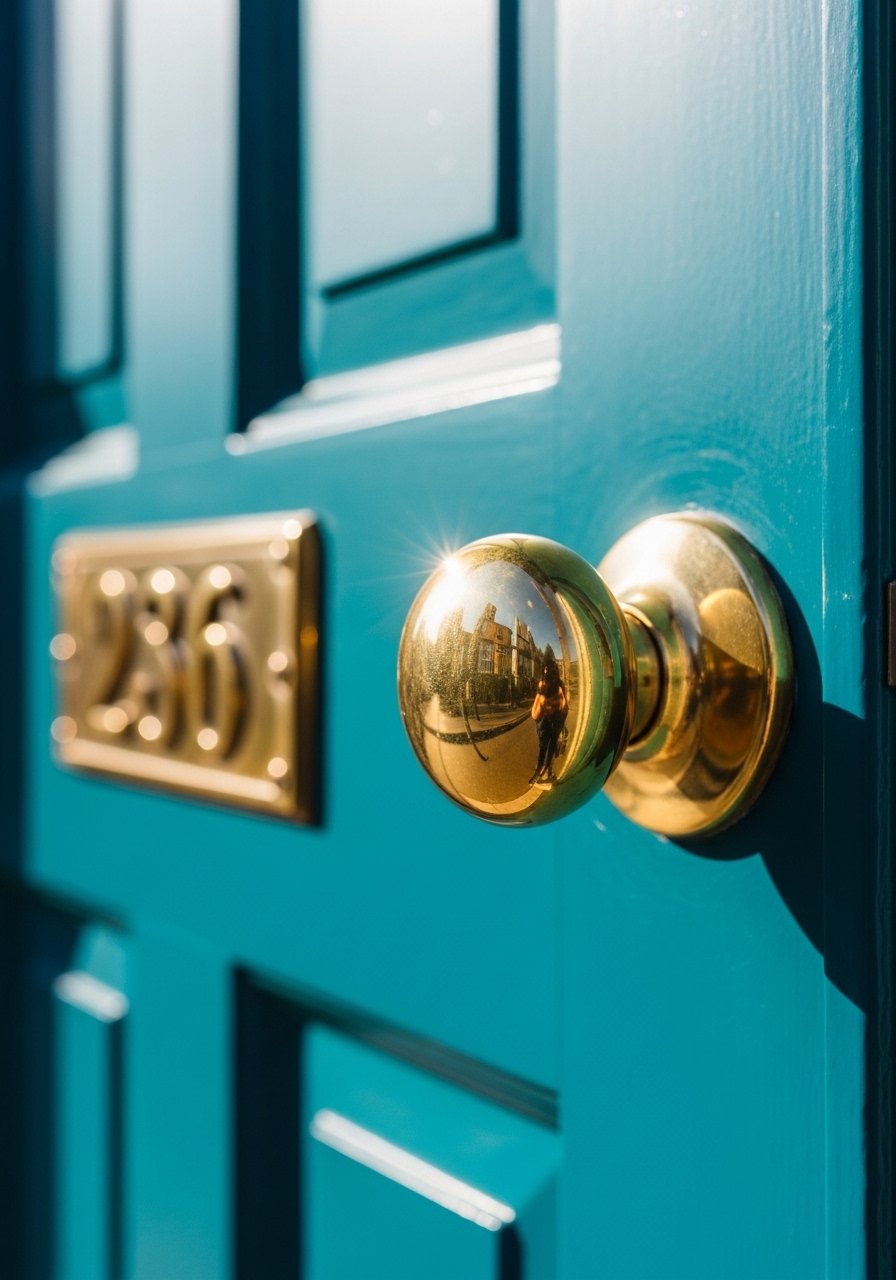
Painting the door changed everything. Pick a saturated hue and a semi-gloss exterior paint for easy cleaning and a crisp reflection at night. I used a 2:1 ratio when deciding how much color to add, two neutral accents for every one bold piece, so the door pops without clashing with brick or siding. Swap out the hardware for a matched finish, but avoid mixing a shiny brass knob with a matte black knocker. I bought a classic brass door knob that reads like a small investment and looks intentional. Common mistake: painting without prepping the primer. One light sanding and an oil-based primer prevents peeling, especially if your porch gets full sun.
Layered Porch Textiles to Make the Entry Feel Inviting

There is something about a porch with layered cushions that makes you want to sit down. Start with an outdoor rug that leaves 6 to 12 inches of porch floor visible on each edge. Add a bench or two 36 to 48 inches wide and top with a 22-inch down-filled linen pillow and a weather-resistant throw. I bought a 4×6 outdoor rug for under $80 and the space finally stopped looking like a landing spot for packages. People assume textiles will mildew outside. Use quick-dry fabrics and rotate cushions indoors after rain. Pair this with the bold door idea above for contrast and a natural flow.
Repeated Planting Patterns for Low-Maintenance Landscaping
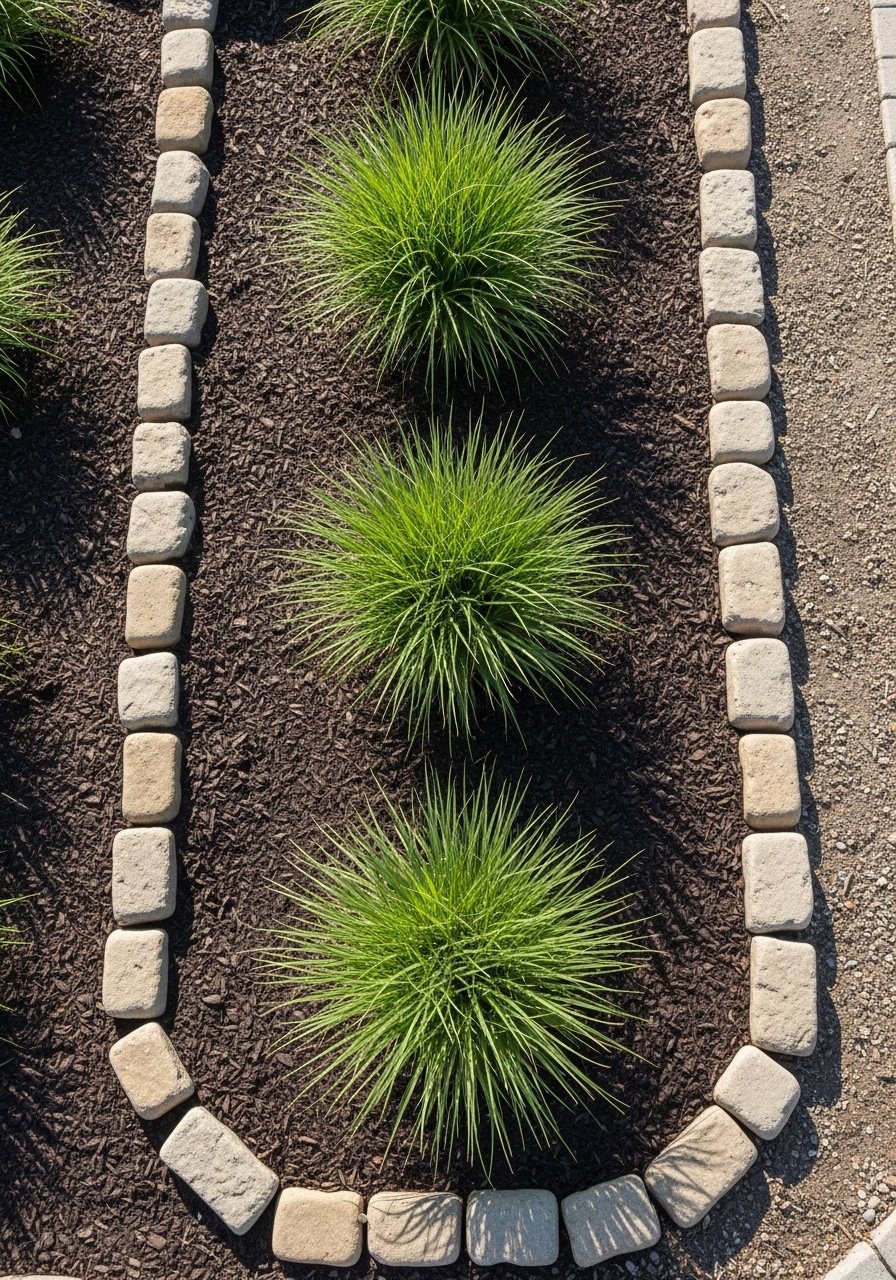
My neighbor's yard used to be chaotic until she planted the same three plants in a repeating rhythm. Repetition solves balance issues fast. Use three to five of the same specimen along the foundation, spacing them two to three times the mature plant width apart. I like ornamental grasses, boxwood, and lavender because they handle drought and look tidy. If you struggle with kill-off plants, pick drought-tolerant varieties and mulch to retain moisture. I keep a spare drought-tolerant ornamental grass on hand for quick replacement. Most homeowners underestimate how much scale matters, so size plants to the mature height, not the pot size. This works well together with window boxes further down the facade.
Mixed Material Facade Accent for Depth and Warmth

Adding a small band of wood or stone around the entry gives a house visual weight without a full remodel. I trimmed a 3-foot-wide cedar accent across the bottom third of my vestibule and stained it a warm honey tone. The visual rule I use is 20 percent accent material to 80 percent main cladding. Too much wood reads dated. For a budget option use a wood-look composite or a stained cedar plank. I ordered an exterior wood stain kit and a pack of cedar tongue-and-groove planks when I started. Mistake people make: leaving rough cuts visible. Take the extra 15 minutes to sand and seal edges for a pro look.
Modern House Numbers and Mailbox to Signal Intentional Design
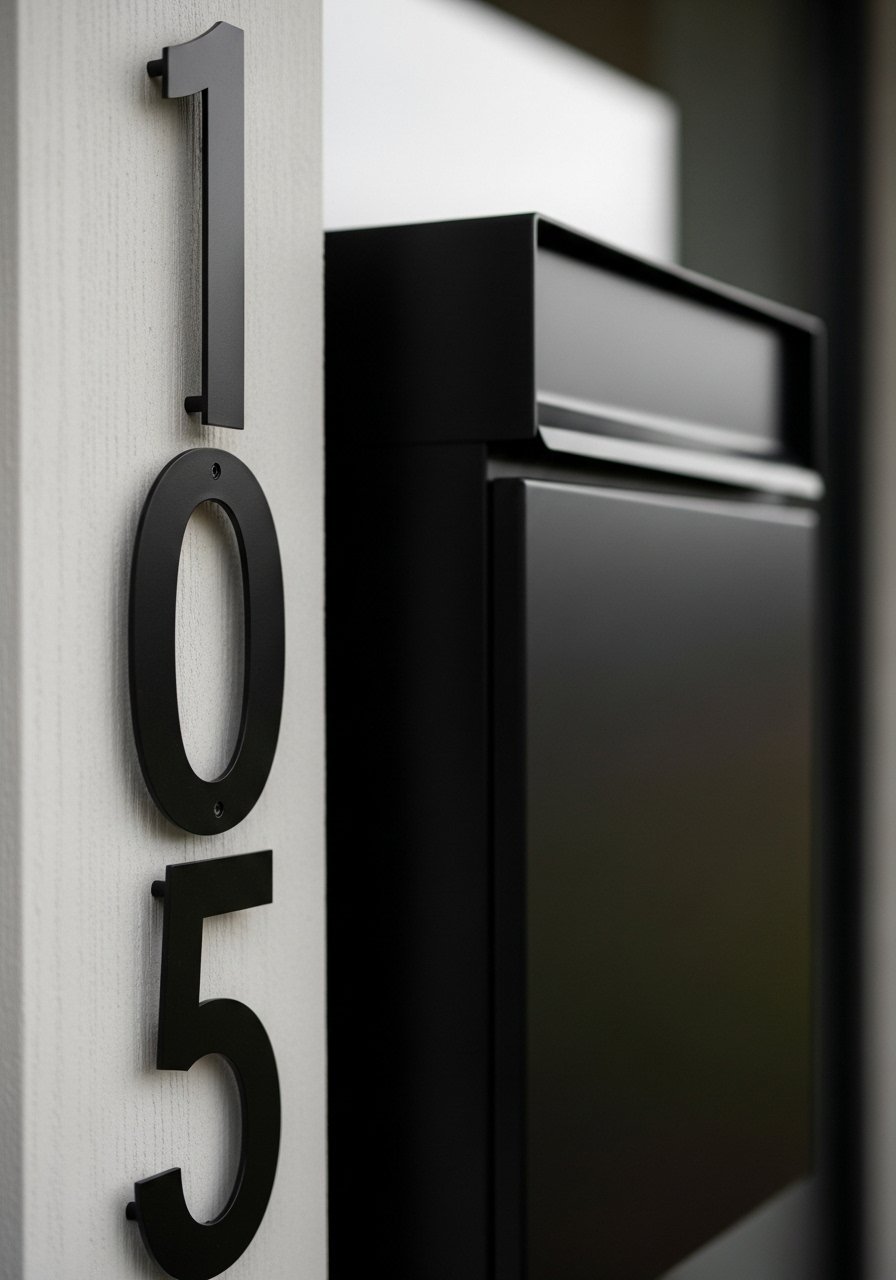
Small hardware choices tell guests this home is cared for. Replacing flimsy plastic numbers with 4-inch metal numerals in one finish makes the address readable from the street and photographs well. Match the mailbox finish to your door hardware for cohesion. I swapped a dented old mailbox for a streamlined model and suddenly the driveway felt finished. I used matte black house numbers that come with a template for easy installation. A common mistake is picking numbers that are too small. Aim for numerals at least 4 inches tall for suburban streets and 6 inches for busy roads.
Layered Outdoor Lighting for Safety and Mood
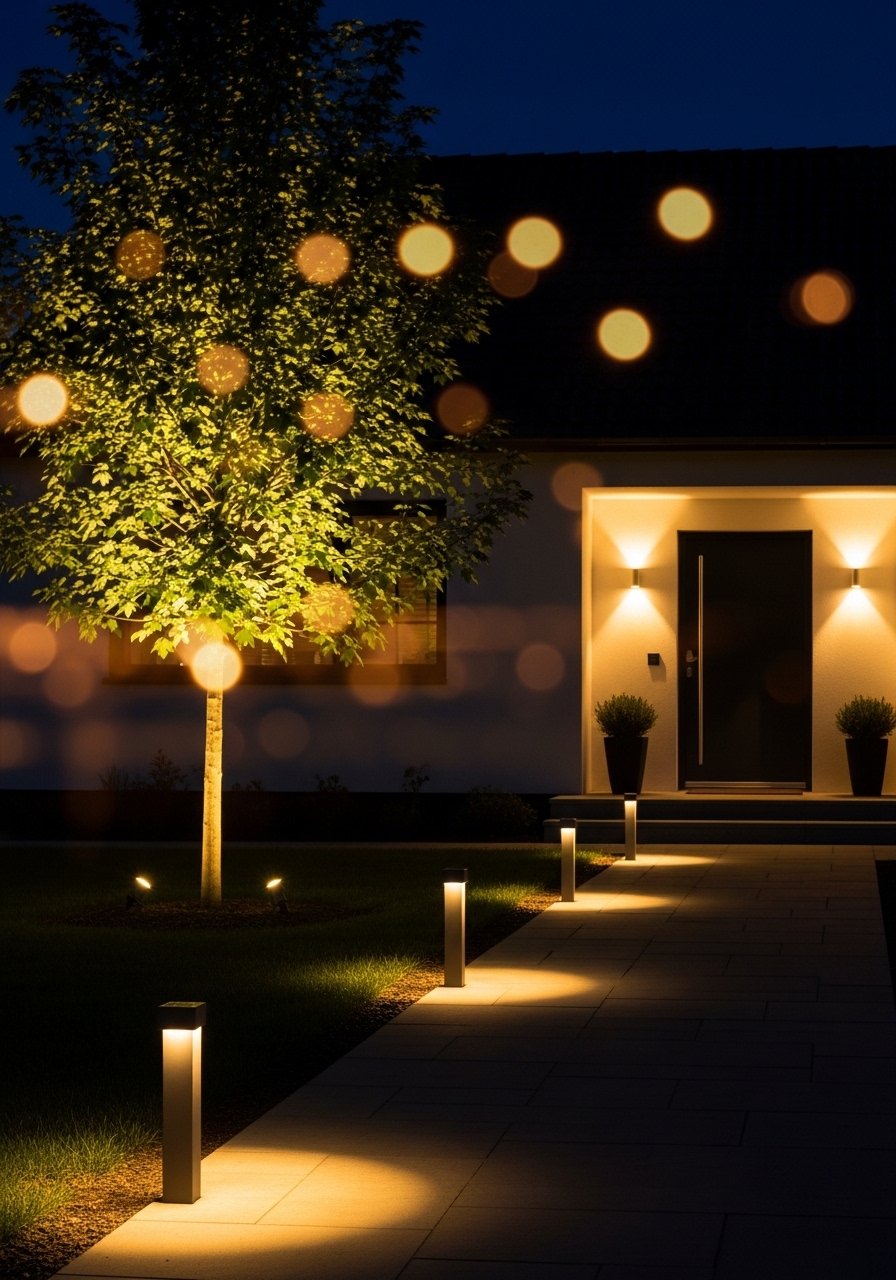
Good lighting makes a house look open and safe. I combine one porch sconce on each side of the door with path lights spaced every 6 to 8 feet and an uplight for a focal tree. Use warm 2700K bulbs for a welcoming glow rather than stark white. I replaced a flickering fixture with two coastal-style porch sconces and the whole front felt less like a shadowed doorway. Mistake people make: lighting only the door. Light the walk, the house numbers, and a planting bed so everything reads as intentional. Layered lighting also helps show off a fresh paint job or new hardware at night.
Window Boxes with Seasonal Swaps for Year-Round Interest
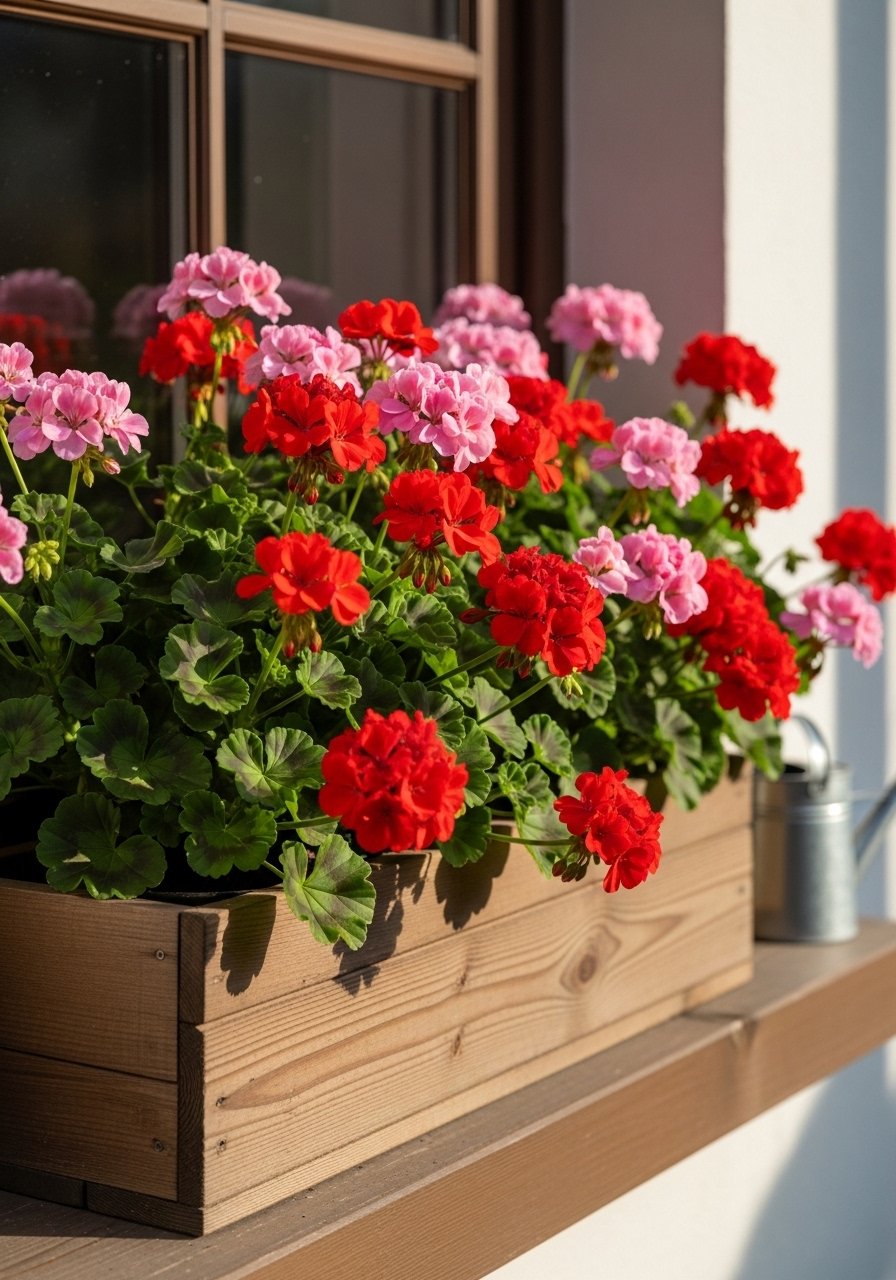
Window boxes are an easy way to bring color and texture to the facade. Size your box to two-thirds of the window width for balance. I plant a trailing variety in the center, a mounding plant on one side, and a tall accent like rosemary on the other to hit a rule-of-three composition. For renters use removable hanging brackets that leave no marks. I use wooden window boxes with drain holes so I do not kill the plants. People tend to under-plant and then the box looks sparse by August. Plant with the mature spread in mind and plan one seasonal swap in fall for interest.
Garage Door Makeover with Trim and Hardware for Cohesion
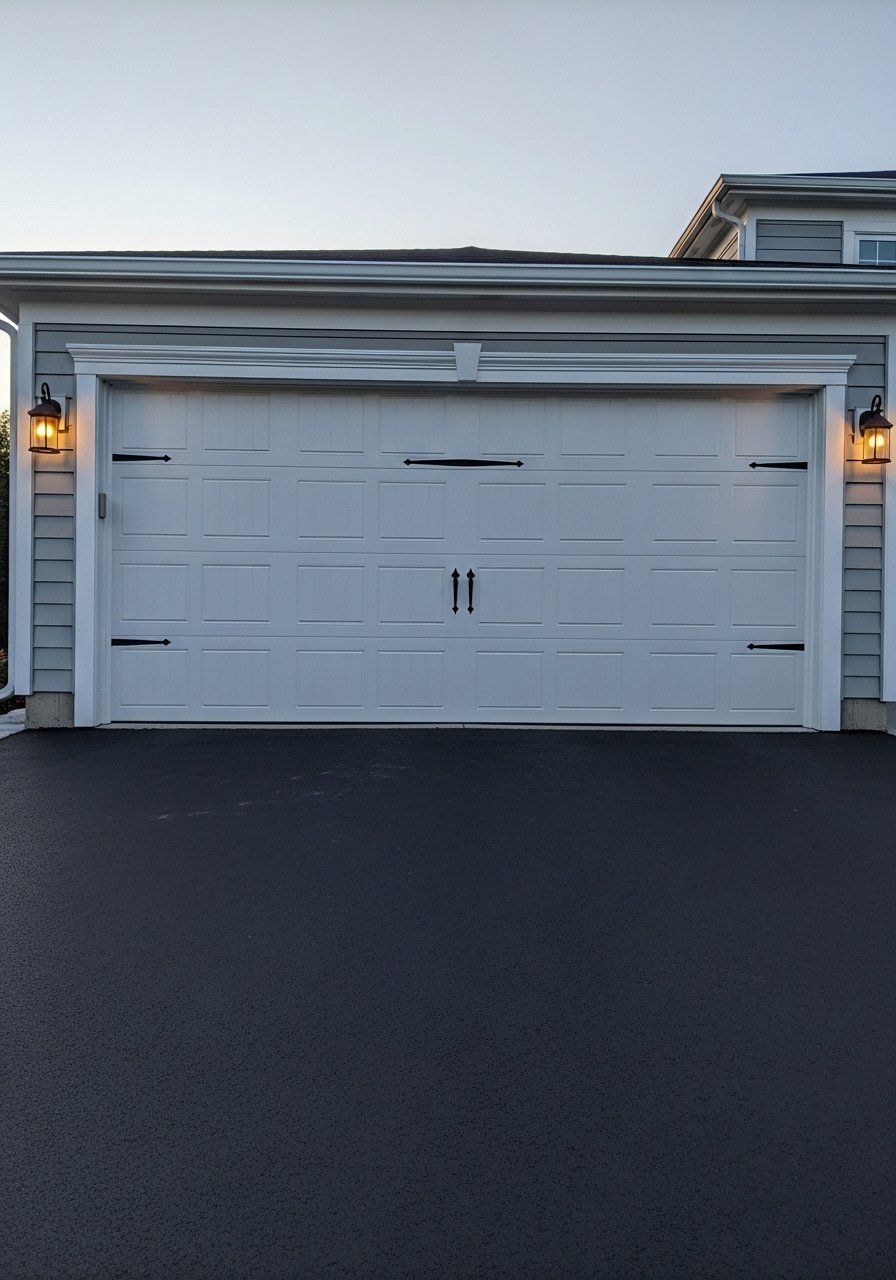
A garage front takes up a lot of visual real estate. Adding faux carriage hardware, painting the door in a slightly darker tint than the siding, and adding 4-inch trim boards turns a basic door into a design feature. I painted my garage door two shades darker than the house, keeping the door panels a neutral to avoid heavy contrast. I installed decorative carriage hardware kit that cost less than $50 and made the whole facade read higher end. Common mistake: ignoring vertical proportions. Add trim to break up wide panels so the garage does not look like one big blank wall.
Framed Entry with Planters or a Bench for a Welcoming Pause

An entry that invites you to pause makes a house feel inhabited. Place two identical planters or a bench with one planter to frame the door. A bench around 42 inches long fits most small porches and gives a spot to set a grocery bag. I added a 30×18 doormat and a pair of 16-inch concrete planters with boxwood and the front entrance started getting compliments from neighbors. I linked to a sturdy outdoor bench I found useful for tight spaces. Mistake people make: choosing planters that are too small. Bigger, well-placed planters read as intentional and work with the porch textiles idea above.
Your Decor Shopping List
Textiles
- Honestly the best $40 I have spent. 4×6 outdoor rug in neutral stripe for a small porch
- 22-inch linen pillow covers, set of 2 in slate and sand, down-filled inserts sold separately
Hardware and Numbers
- Matte black house numbers, 4-inch with template
- Classic brass door knob that matches mailbox hardware
Lighting and Planters
- Solar pathway light set, 6-pack (~$35) for low-energy accents
- 16-inch concrete planter, set of 2 for framing the entry
Budget Finds
- Garage carriage hardware kit (~$45)
- Wooden window box planter with brackets (similar options at HomeGoods)
Splurge
- Outdoor bench, 42-inch teak-look (~$150), looks built-in but moves with you
Shopping Tips
White oak beats dark wood in 2026. Design feeds have shifted completely. White oak floating shelves look current, not dated. Use this idea for wood trim accents on the facade that read fresh next to modern paint.
Grab these velvet pillow covers for $12 each. Swap them each season and your porch will feel different without a big spend.
Curtains should puddle or kiss the floor, never hang halfway up. These 96-inch panels are right for standard 9-foot ceilings. That advice applies inside but think of proportion for porch screens and shade cloths too.
Lead with texture, not pattern. A chunky woven throw outdoors works better than a tiny-print pillow. Chunky knit throw in cream adds warmth and wears well under an awning.
Frequently Asked Questions
Q: How do I make a small stoop feel welcoming without spending much?
A: Use three things: color on the door, a rug that shows scale, and one pair of matching planters. I bought a 4×6 outdoor rug and a single bench and the space went from afterthought to pause spot.
Q: Can I mix metal finishes on exterior hardware?
A: Yes, but do it on purpose. Pick one finish for permanent fixtures like the door knob and mailbox, and a contrasting finish for accents like house numbers. Avoid three different metal finishes in one view.
Q: How deep should window boxes be for flowers that hang over?
A: Aim for 8 to 10 inches deep and length two-thirds of the window width. That gives room for roots and a trailing center plant that spills over the edge.
Q: Real plants or fake for window boxes and planters?
A: Both. Use real for foundations and edible herbs, but a tall faux ficus can give instant height where maintenance is a problem.
Q: My porch looks cluttered after adding accessories. What did I do wrong?
A: Scale and repetition. You probably added many small items instead of two to three larger pieces. Try a single bench plus two planters and one rug, rather than five tiny pots.
Q: How do I prevent paint peeling on an exterior door?
A: Prep and primer. Clean the surface, sand lightly, and use an oil-based primer before a semi-gloss exterior topcoat. That small step cuts repaint cycles and keeps the finish looking crisp.
Spent $400 on a new coffee table. Room still looked off. Spent $35 on a throw and three candles. Suddenly everything clicked.