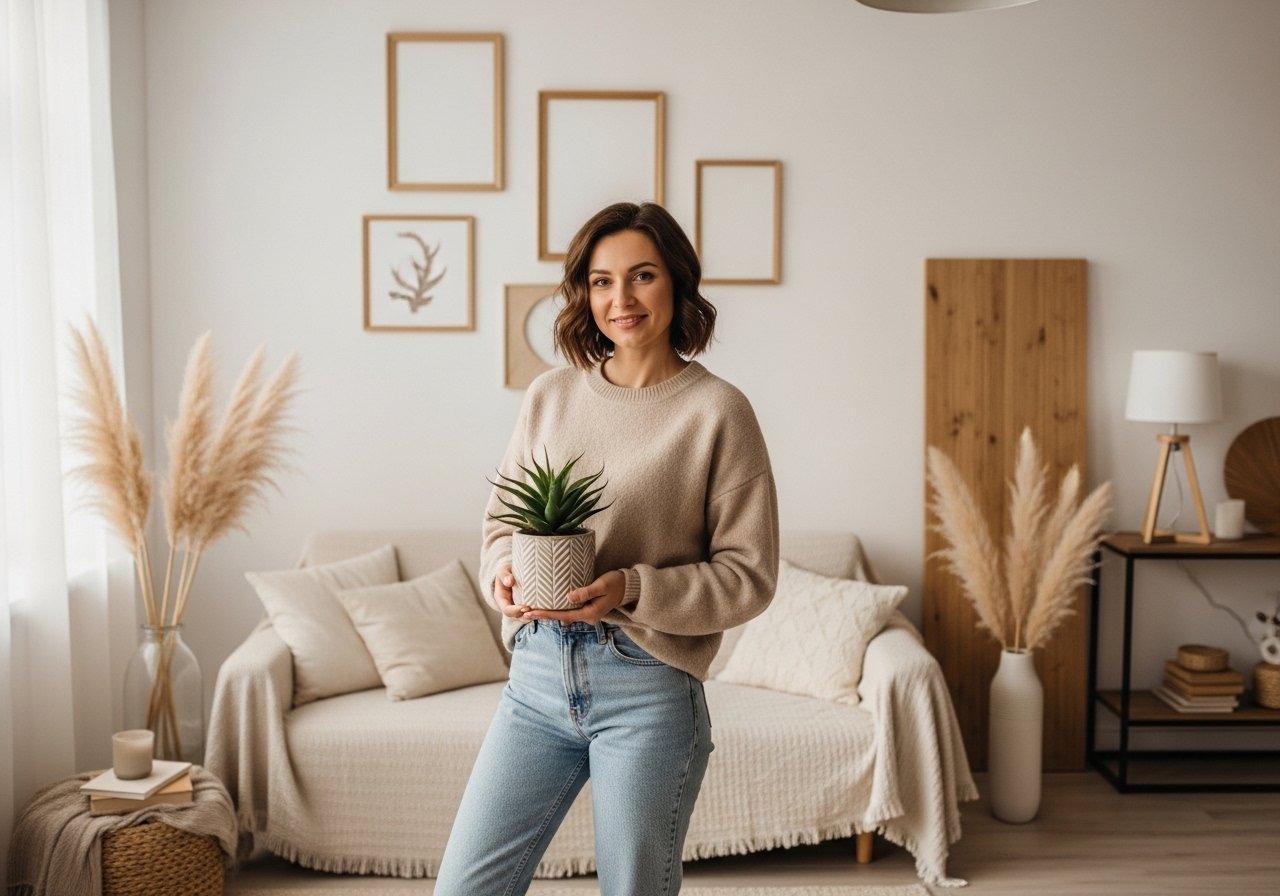
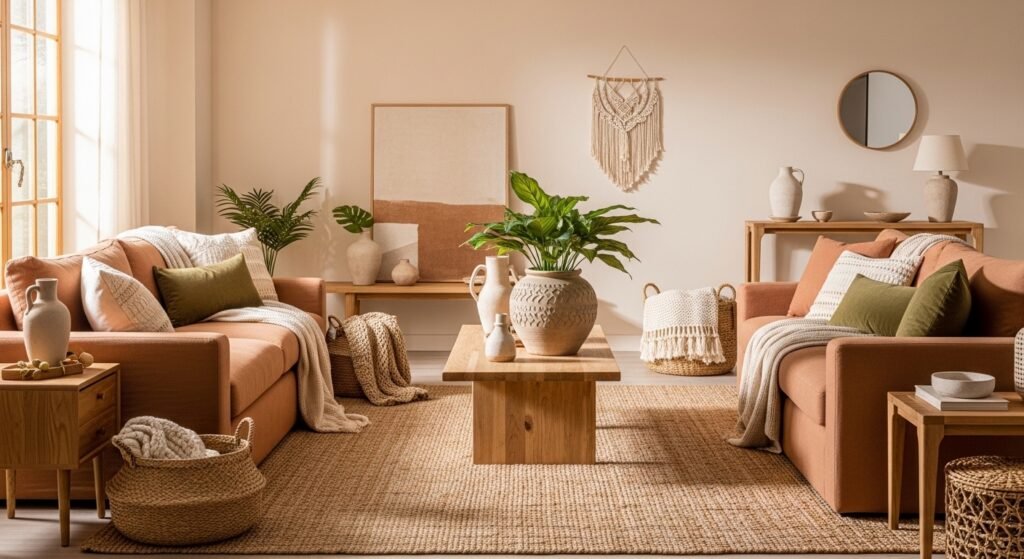
My living room had nice furniture and decent lighting but it still felt like a waiting room. Took me embarrassingly long to figure out it was missing texture. Every surface was smooth, every color was flat, and nothing invited you to actually sit down.
These ideas lean warm, rustic, and slightly modern. Most items are under $75, with a few splurges closer to $150. Works for living rooms, bedrooms, home offices, and corners that just need an earthy nudge.
Earthy Layered Neutrals For Living Rooms
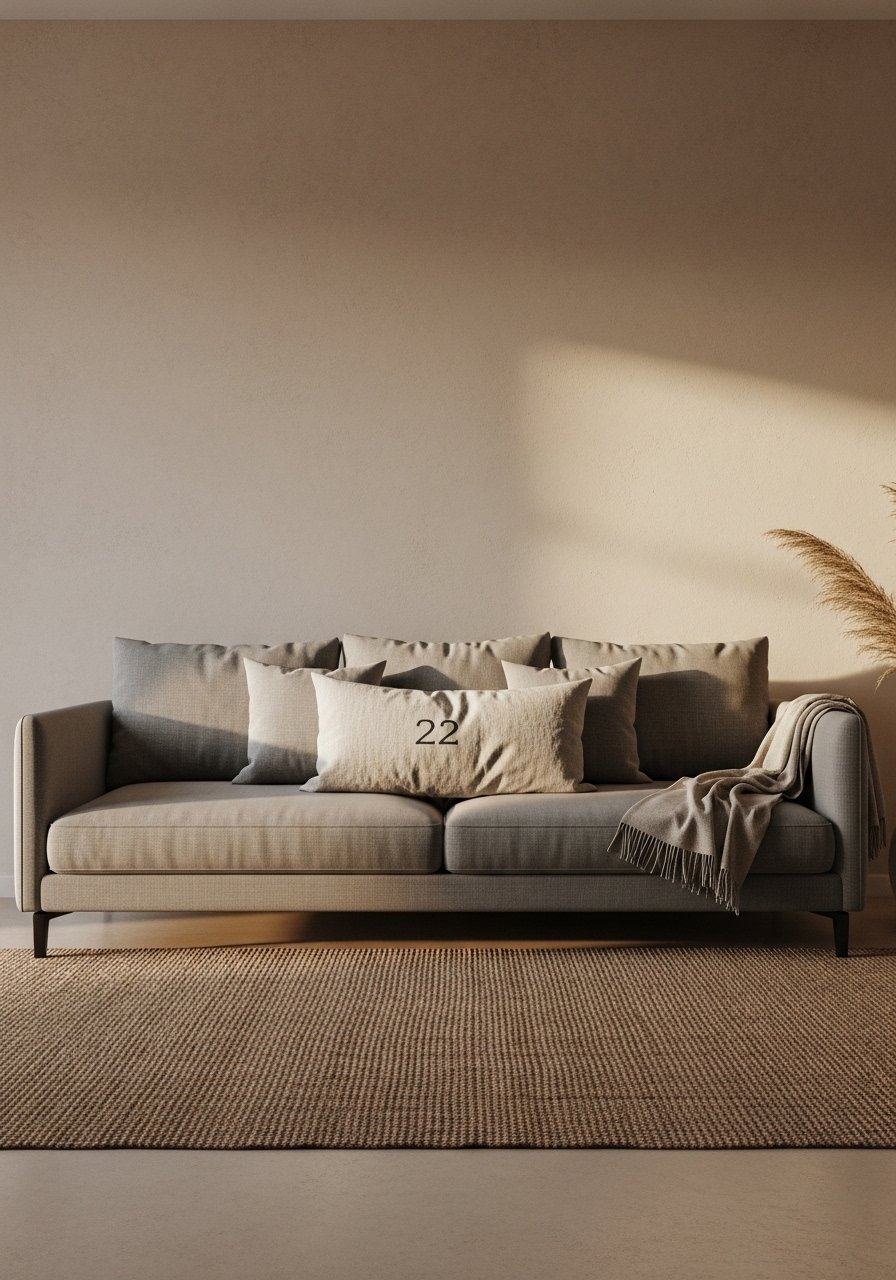
The moment I layered three pillow textures on my sofa the room stopped feeling flat. Use a 3:1 ratio of soft to structured textiles, for example two 22-inch down-filled linen pillows to one chunky knit lumbar. Add an anchor rug about 8×10 that sits under all front legs to ground the palette. I grabbed velvet pillow covers, set of 4 for mixing textures without a splurge. A common mistake is buying all the same fabric in slightly different shades. Mix finishes, not just hues, so light reads as layered. Scanners nail it right almost every time if you check room light too.
Terracotta Accents For Warm Bedrooms
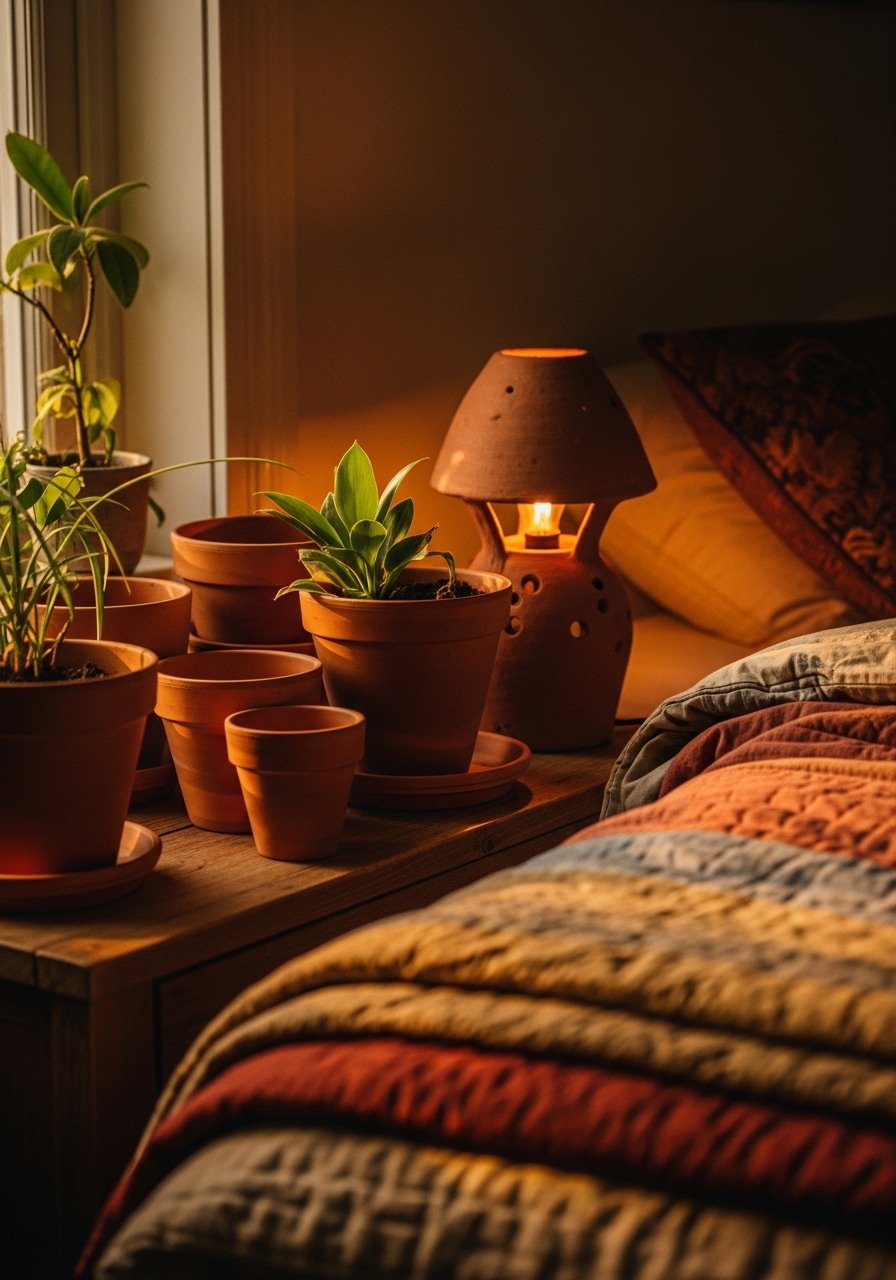
There is something about terracotta that makes a bedroom feel lived in. Try a terracotta bedside lamp paired with a rust throw folded at the foot of the bed. For real rooms, pick accents that repeat in three spots, like two planters and one tray, so the eye moves. I bought terracotta planter trio that fit a standard nightstand footprint. A trap is going all-in with orange tones; keep one neutral element per vignette to avoid feeling like a kiln. Test a small accent first, then expand.
Raw Wood Shelves For Rustic Minimalist Spaces
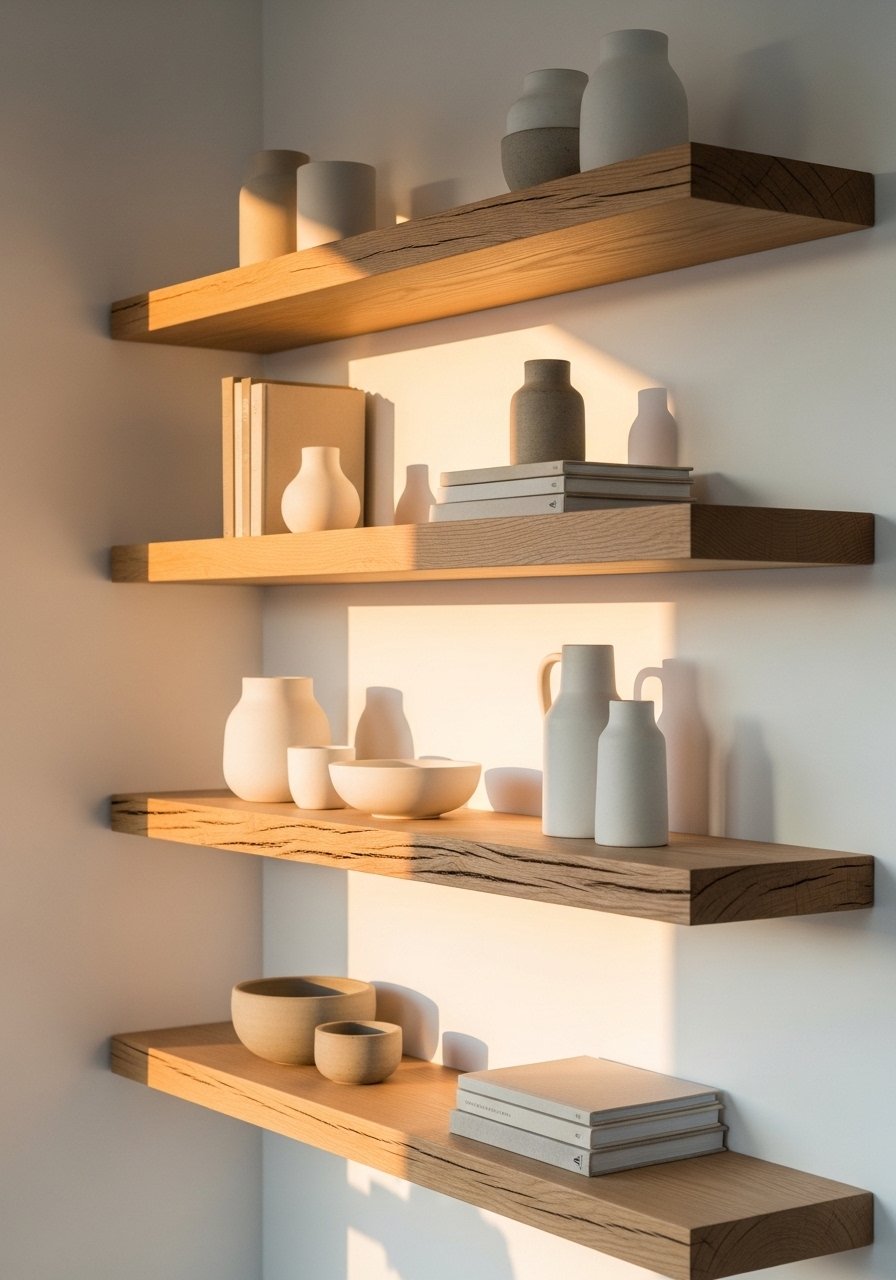
White oak shelves feel current and forgiving. I mounted shelves with a 10-inch depth for wider decor pieces and left 5 to 8 inches between shelves for a clean rhythm. If you have 9-foot ceilings, run shelves vertically in groups of three to fill the wall without crowding. Pick white oak floating shelves for that warm tone. Most people stop at two shelves and the wall looks unplanned. Use odd numbers, and lean heavier at the bottom so the stack reads grounded, not top-heavy.
Clay And Ceramic Accessories For Kitchens
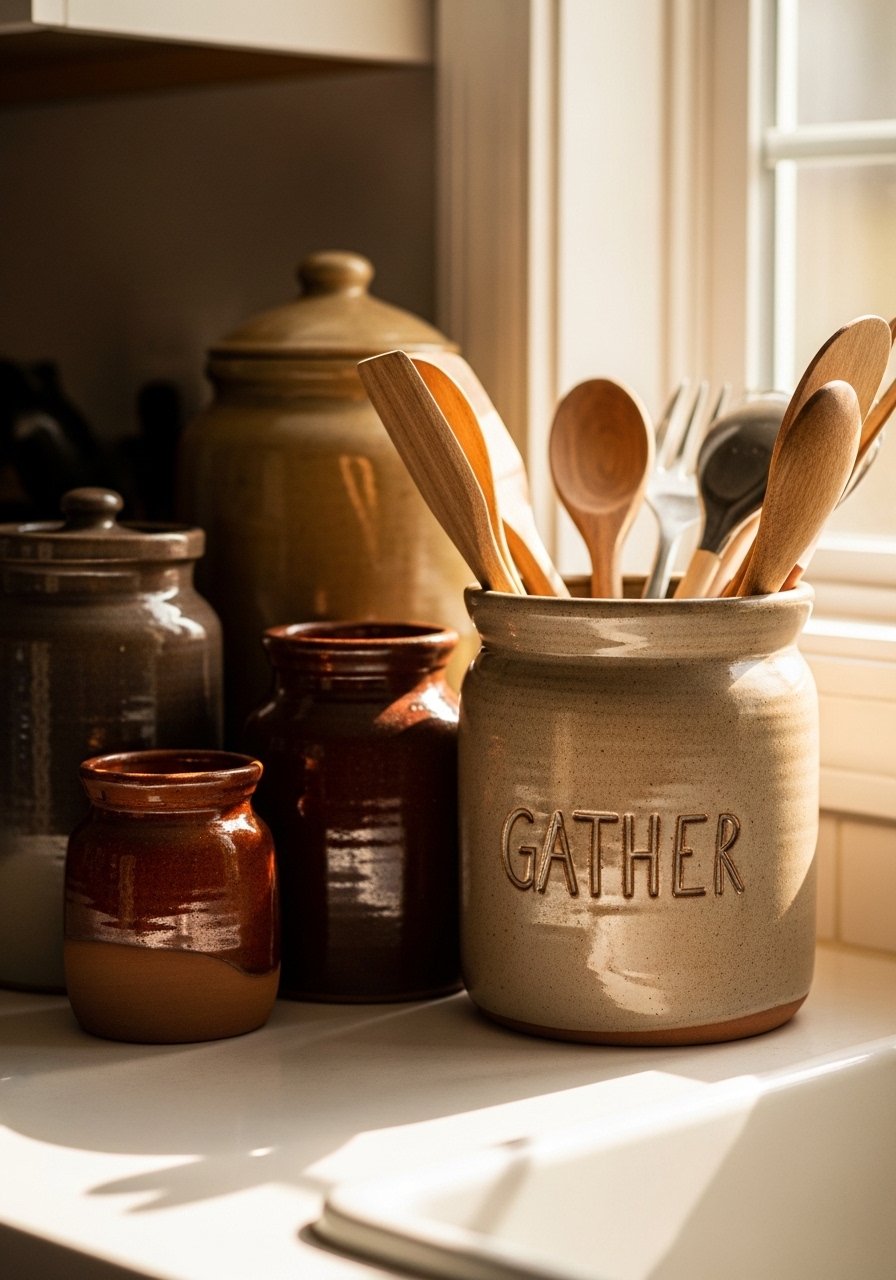
My kitchen went from generic to lived-in the day I switched from plastic to a ceramic utensil crock. Choose a larger crock, about 5 to 6 inches wide, so it holds tools without looking toy-sized. Mix glazed and matte ceramics for contrast. I found handmade ceramic utensil crock that reads expensive but costs under $40. The common mistake is buying one tiny piece and expecting it to read handcrafted. Group two or three ceramics together, including one with a chip or unique glaze to sell the artisanal story.
Wabi-Sabi Plaster Walls For Textured Entryways
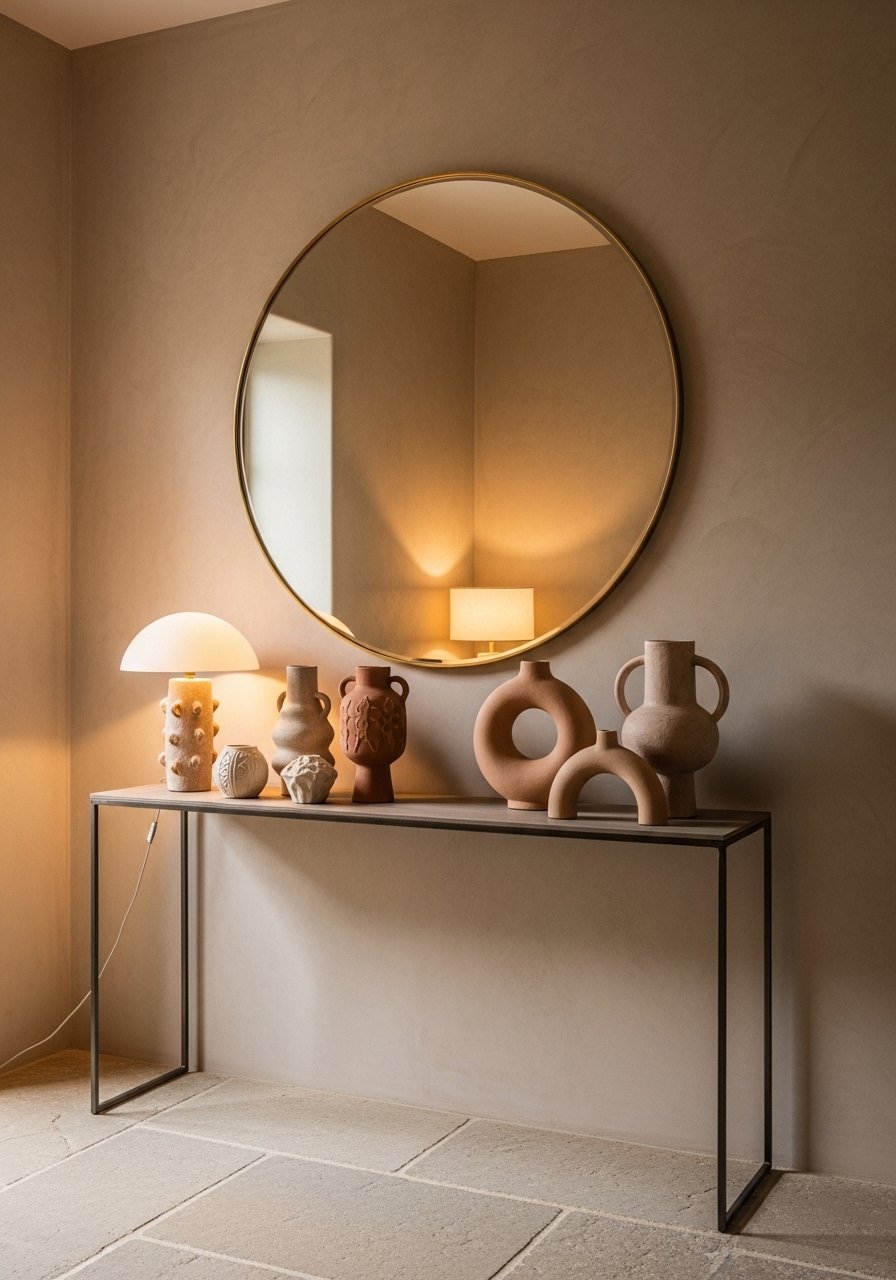
There is an ease to imperfect walls that photos rarely capture. A light Venetian plaster or limewash gives an entryway that soft texture where shoes and keys live. Ask your painter to do a two-coat soft ragging technique and keep brush strokes vertical for a subtle look. I used a warm white base with a clay glaze, and let it dry 48 hours before judging the color. Most color fails come down to the wrong light bulb tricking your eye. A mistake is expecting plaster to read the same in every corner, so check the dried finish at three times of day before committing.
Low-Sheen Paints In Warm Whites For Any Room
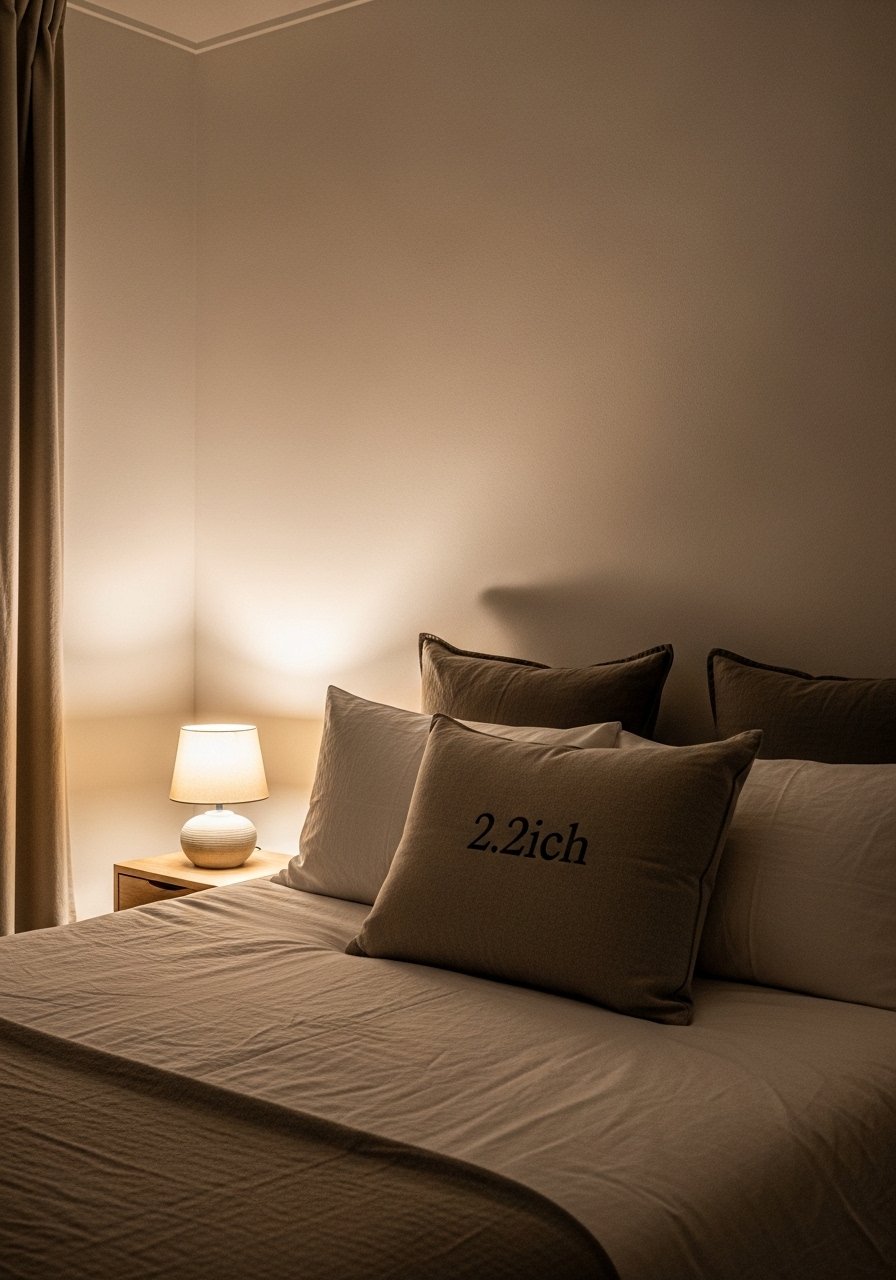
Switching to low-sheen warm whites fixed the glare that made my walls look cold. Matte hides tiny color drifts better than gloss, which shows every variation. If you are touching up across different brands remember, Seven out of ten times brand switches mean painting the whole wall anyway. Try a low-sheen brand with washable properties if you have kids or pets. I used a washable matte for the hallway and it hides scuffs while keeping the tone soft. Always let sample patches cure for 48 hours before you decide.
Handwoven Rugs For High-Traffic Areas
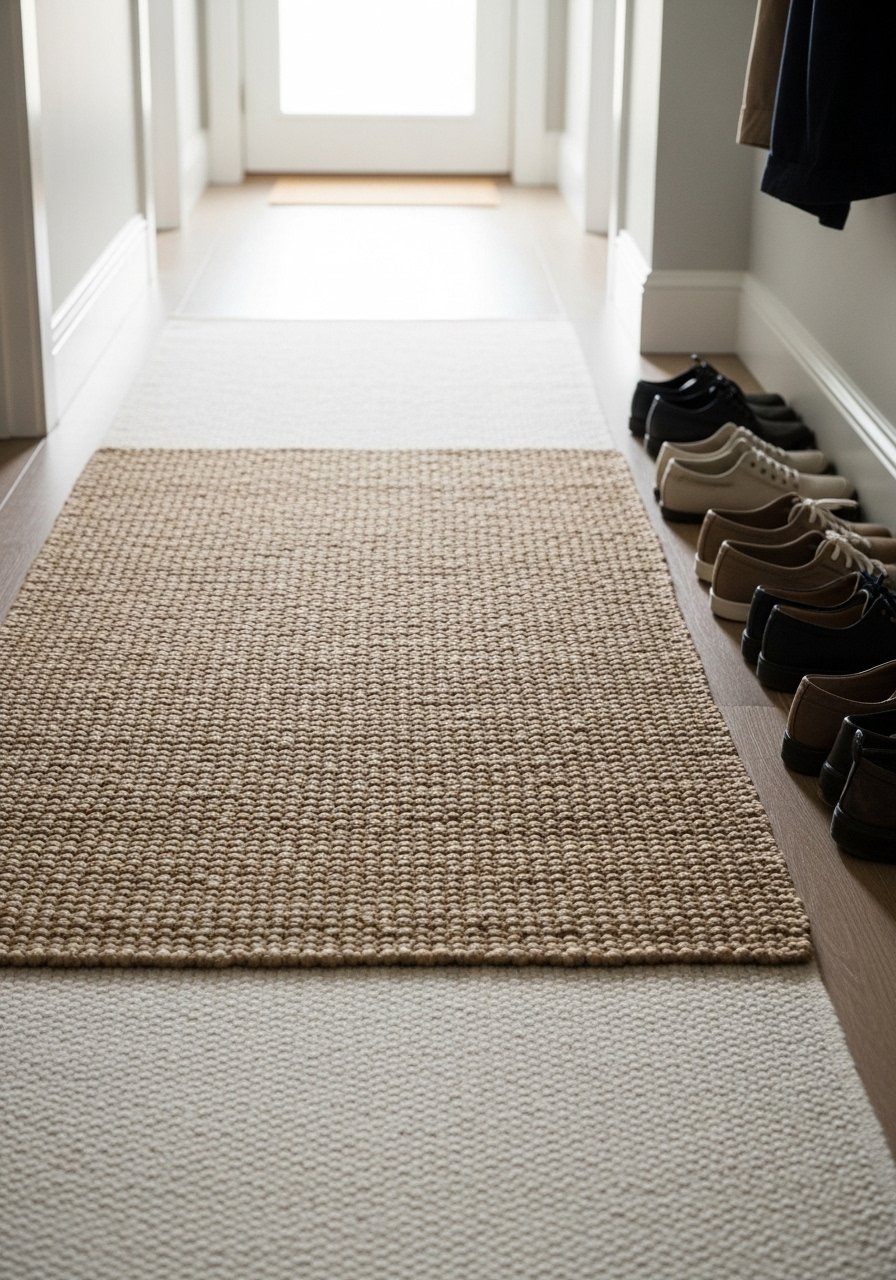
Layering a jute runner over a flatweave gave my hallway texture without bulk. Pick a runner width that leaves 6 inches of floor visible on each side for proportion. If you have pets, choose tighter weaves for durability. I bought an 8×10 jute like this neutral jute rug and paired it with a washable flatweave underneath. A common error is buying rugs by color alone and ignoring pile. Durable fibers do better in traffic zones and still feel earthy.
Mixed Metals With Patina For Dining Rooms
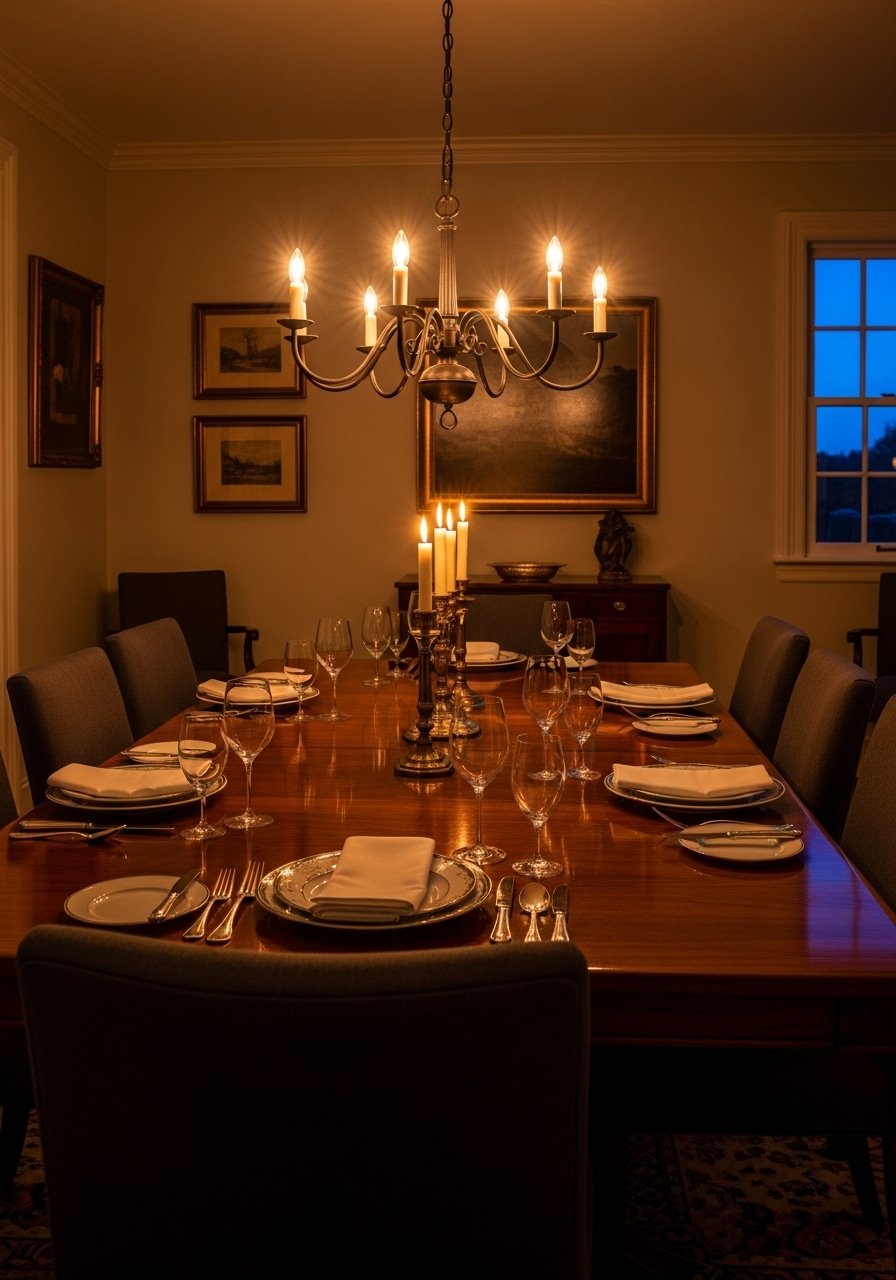
I used to match all my metals and the room felt staged. Mixing a brushed brass fixture with aged bronze pulls and raw steel chairs makes a table feel collected. Keep one dominant finish and use the others in smaller doses, like 60 percent wood and metal in the main finish and the rest accents. I swapped out knobs and got mixed metal cabinet knobs to tie the look. Avoid tiny matching details like identical frames across the room. Variation reads intentional.
Indoor-Outdoor Plantscapes For Sunrooms And Corners
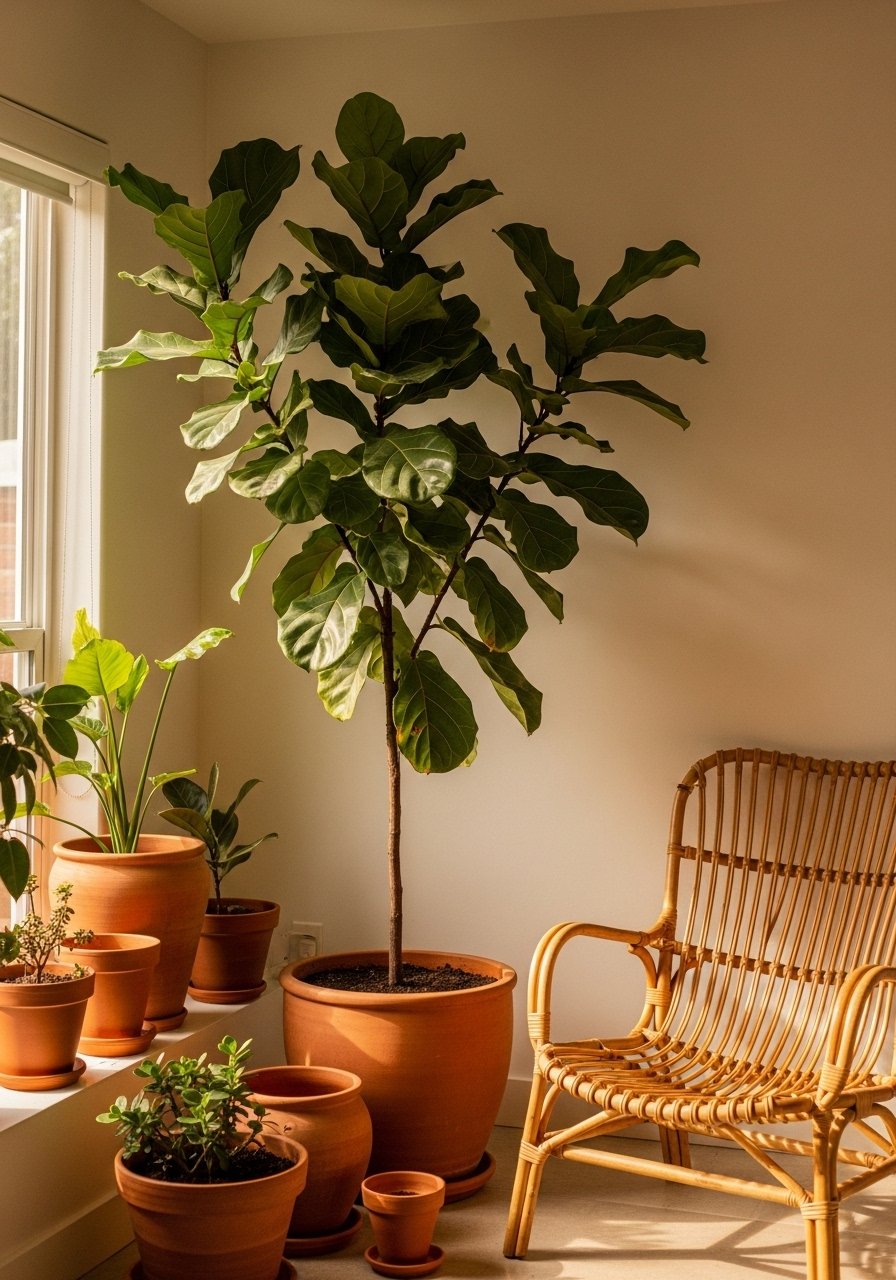
One single 6-foot fiddle leaf fig changed my reading corner more than five small succulents ever did. Big plants add vertical scale and a feeling of permanence. Use a drainage saucer and pot about 2 inches larger than the root ball to allow growth. I keep a faux where sunlight is weak and a real snake plant where I forget to water. Grab artificial fiddle leaf fig 6ft if you need height without fuss. Most color fails come down to the wrong light bulb tricking your eye, and plants react to that light too.
Cork And Sustainable Materials For Home Offices
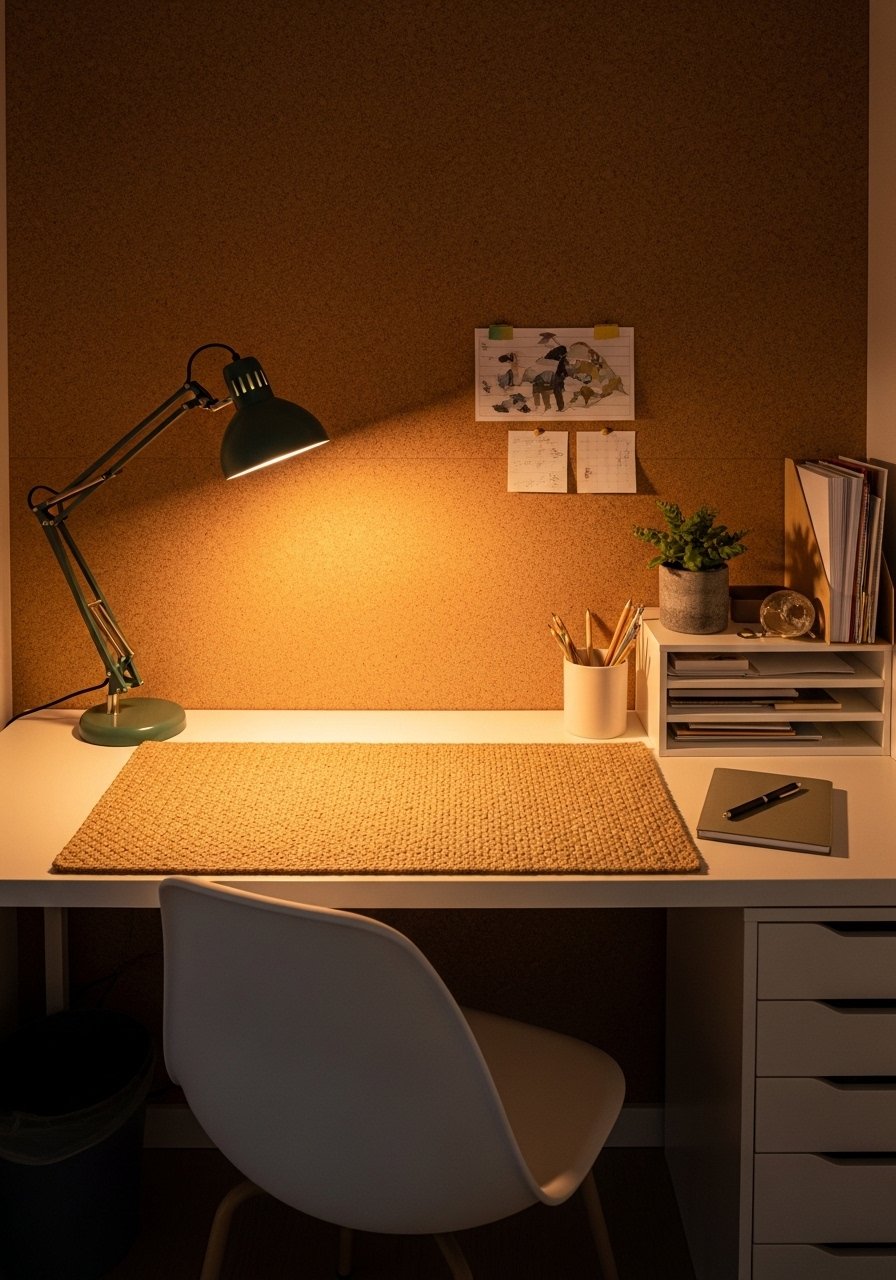
Adding a cork pinboard behind my desk made the space useful and tactile. Cork panels at 2×4 feet cover enough wall to display notes without overwhelming the room. Sustainable materials like cork and reclaimed wood look intentional when combined with neutral textiles. For an easy install, use peel-and-stick 24×48-inch cork tiles. I keep a small stash of peel-and-stick cork tiles for rotating inspiration. The mistake is using tiny tiles that appear busy from a distance. Bigger panels read calmer and more deliberate.
Statement Natural Fiber Lighting For Reading Nooks
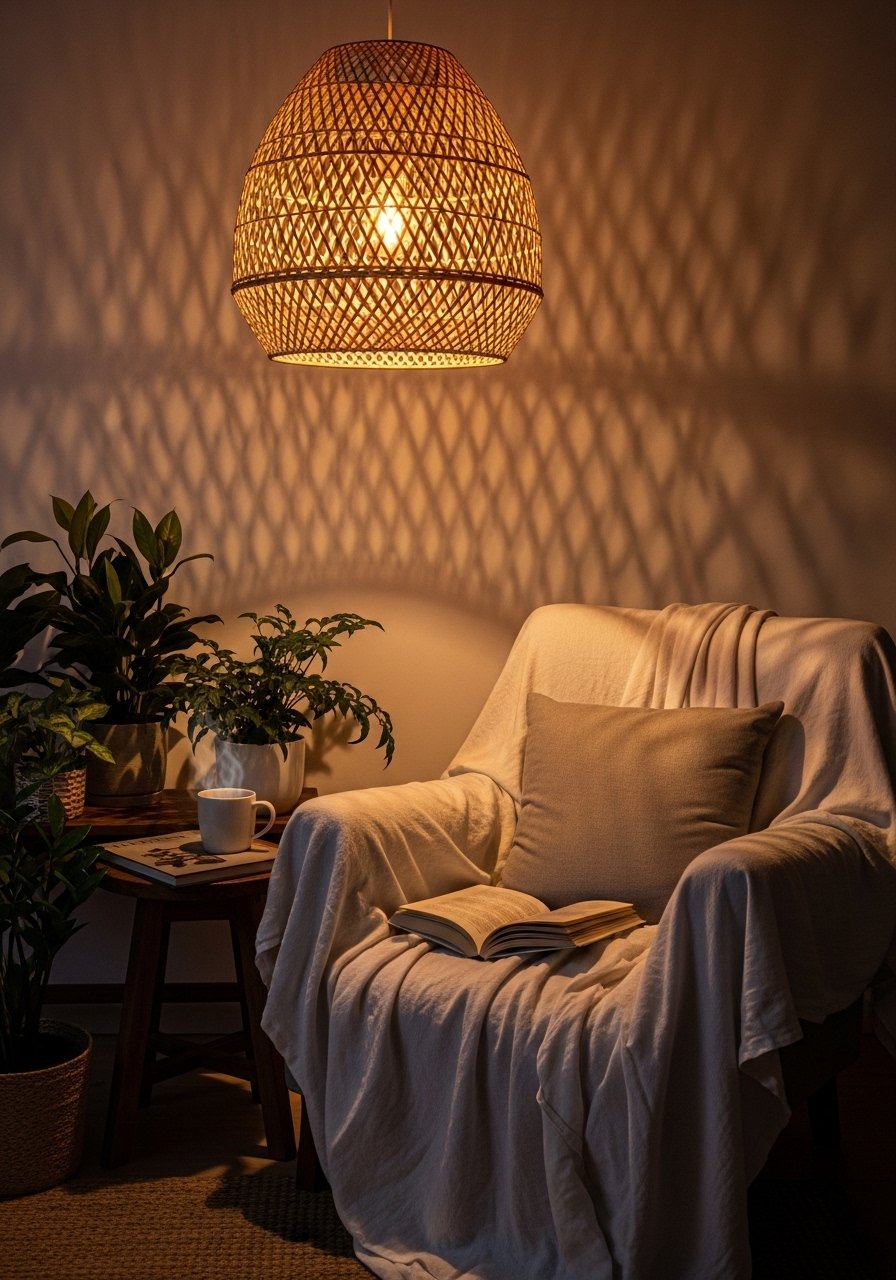
An oversized natural fiber pendant turned my awkward corner into a purposeful nook. Choose pendants about 14 to 18 inches wide for a single chair and 20 to 24 inches for a small seating cluster. I hung mine 30 inches above the top of the chair back to avoid glare. Look for woven materials that let light through for a warm glow. I used woven rattan pendant lamp. The common misstep is hanging too low or too high, which kills the cozy atmosphere.
Vintage Leather Pieces For Timeless Comfort
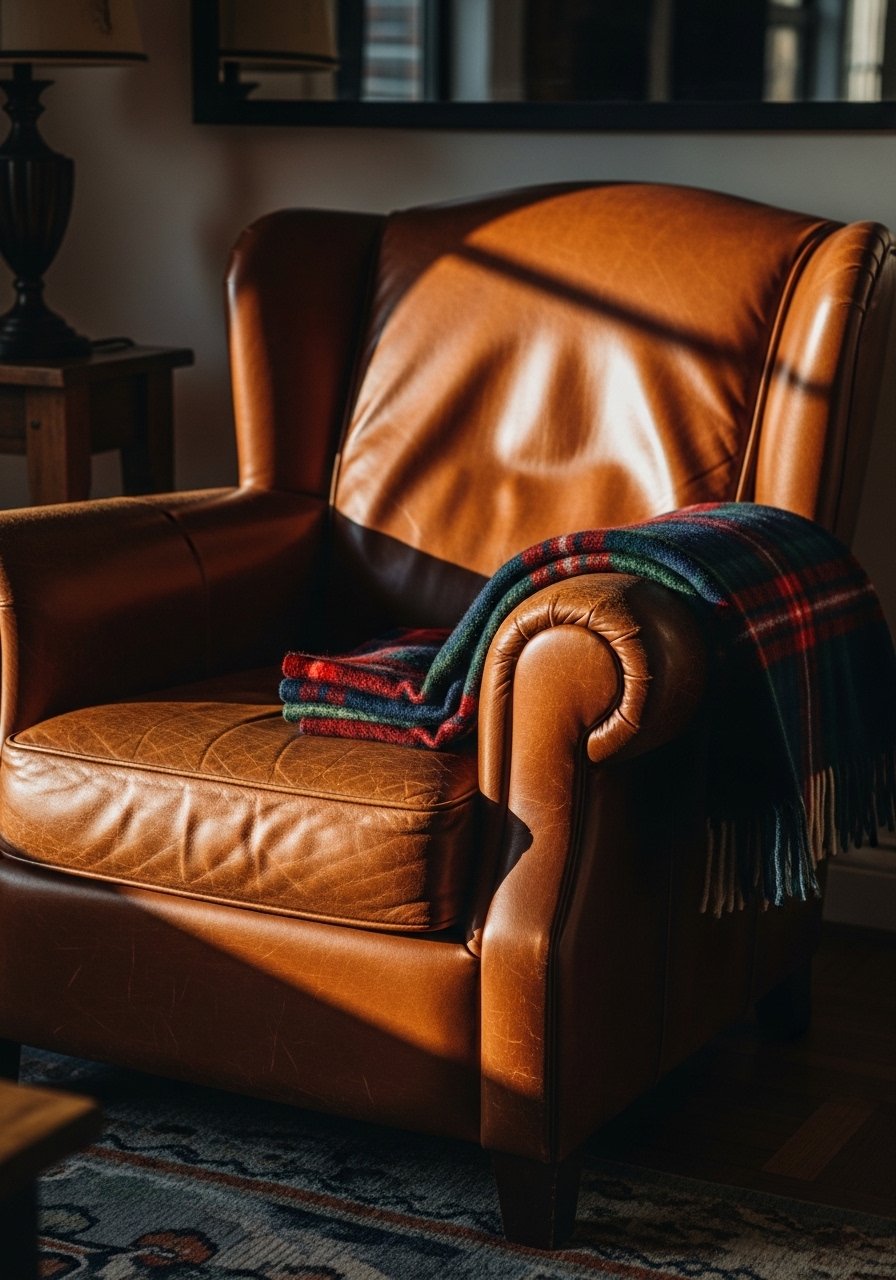
I scored a vintage leather armchair that anchors a room in a way new upholstery never did. Look for chairs with a seat height around 17 to 18 inches and a firm but broken-in cushion. A single leather piece reads like an heirloom, so pair it with softer textiles to avoid feeling heavy. For maintenance, a neutral leather cleaner and a weekly wipe keep it presentable. I found a good option in restored vintage-style leather chair. Avoid mixing too many saturated leathers in one room or it starts to feel like an office.
Layered Textures With Linen And Knit For Bedrooms
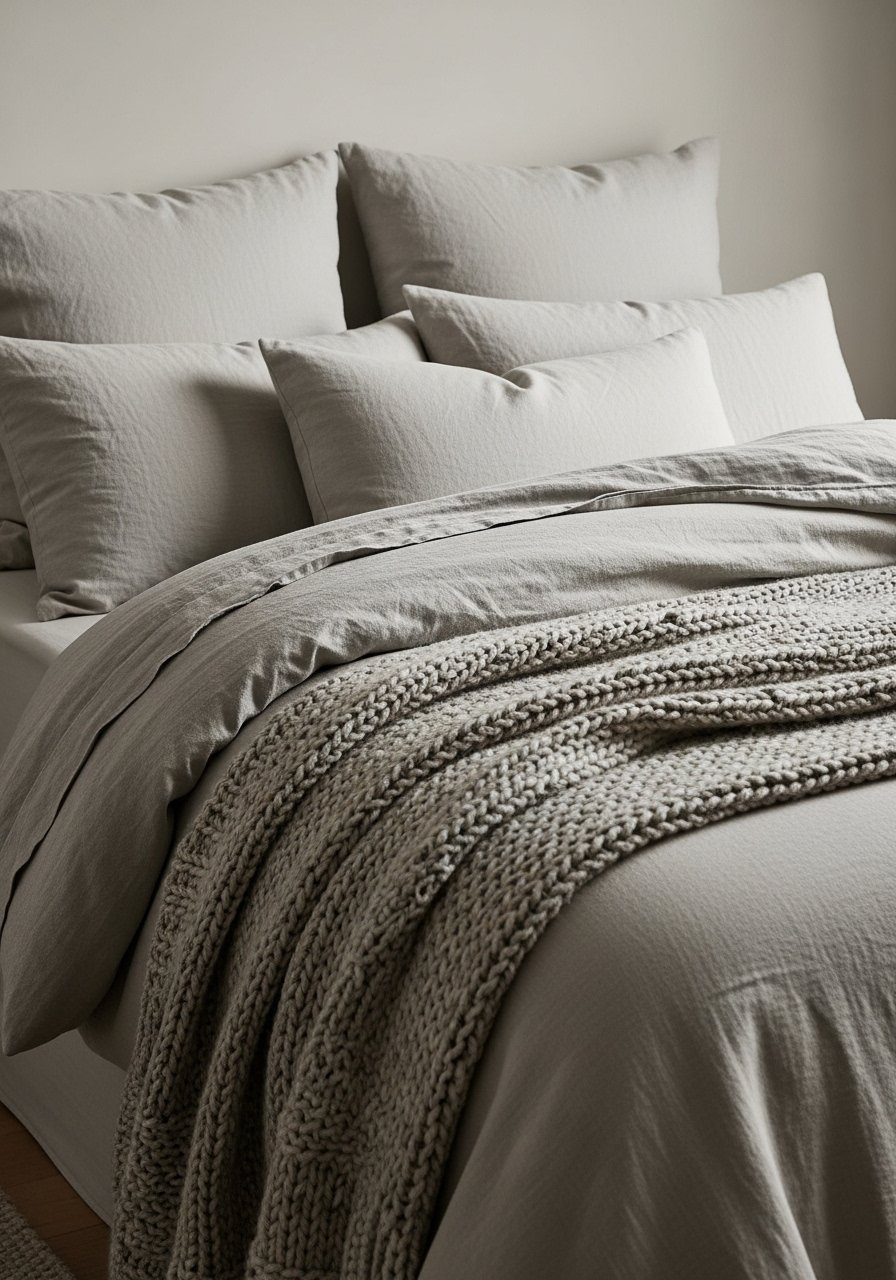
The moment I draped a chunky knit throw over the arm of my gray sofa, the whole room stopped looking flat. Use one chunky knit as a visual punctuation, not the whole bed. Combine a linen duvet with two 22-inch pillows in linen and one 18-inch velvet lumbar for scale. I keep a neutral knit like chunky knit throw in cream handy for seasonal swaps. A mistake is buying multiple heavy knits that make a small bedroom read cluttered. Balance weight with lighter linens and a single heavy accent.
Your Decor Shopping List
Textiles
- Honestly the best $40 I have spent. Chunky knit throw in cream in a neutral that layers well
- 22-inch linen pillow covers down-filled, set of two, mix with velvet for contrast
Wall Decor
- White oak floating shelves 24×8 inches in natural finish
- Peel-and-stick cork tiles 24×48 inches for easy office backsplashes
Lighting
- Woven rattan pendant lamp 18 inch for reading nooks
- Terracotta bedside lamp in warm glaze
Plants And Planters
- Terracotta planter trio in three sizes
- Artificial fiddle leaf fig 6ft when light is sparse
Budget Finds
- Velvet pillow covers set of 4 for quick texture swaps
- 8×10 jute area rug neutral grounder
Most of these items can be swapped for similar finds at Target or HomeGoods if you want to touch before you buy.
Shopping Tips
White oak beats dark wood in 2026. Design feeds have shifted completely. These white oak floating shelves look current, not dated.
Grab velvet pillow covers for $12 each. Swap them every few months and the whole room feels different.
Curtains should puddle or kiss the floor, never hang halfway up. These 96-inch linen panels are right for standard 9-foot ceilings.
Everyone buys five small succulents. One single 6-foot fiddle leaf fig has ten times the visual impact.
If you care about wear, pick washable low-sheen paints in entryways and hallways. Buy sample pots and let them dry 48 hours before you decide, then test under the bulbs you actually use.
Frequently Asked Questions
Q: Can I mix boho textiles with modern furniture without it looking messy?
A: Yes, if you anchor with three consistent tones and vary only texture. Keep one dominant material like wood or leather, then add two textile textures such as linen and knit. A common mistake is using too many saturated patterns at once.
Q: How long should I wait to judge paint samples?
A: Let swatches dry at least 48 hours. Dry-down shows real shifts and gives you time to observe at morning, noon, and night.
Q: What size rug do I actually need for a living room?
A: Bigger than you think. For a standard living room go 8×10 minimum so all front legs sit on the rug. That simple rule instantly anchors furniture.
Q: Should I try to match my couch to the wall color?
A: Scan fabric for reflectance and then eyeball patches in your room light. Scanners nail it right almost every time if you check room light too. If you are unsure, test three swatches on the wall and live with them for a day.
Q: Are faux plants acceptable in earthy schemes?
A: Yes, especially in low-light spots. Use one real plant where you need life and a faux where maintenance would fail. A faux fiddle leaf fig gives scale without the upkeep.
Q: What is the easiest mistake to fix when a room feels off?
A: Add layered textiles and a single large plant. Small changes like a throw and a lamp often do more than rearranging furniture.