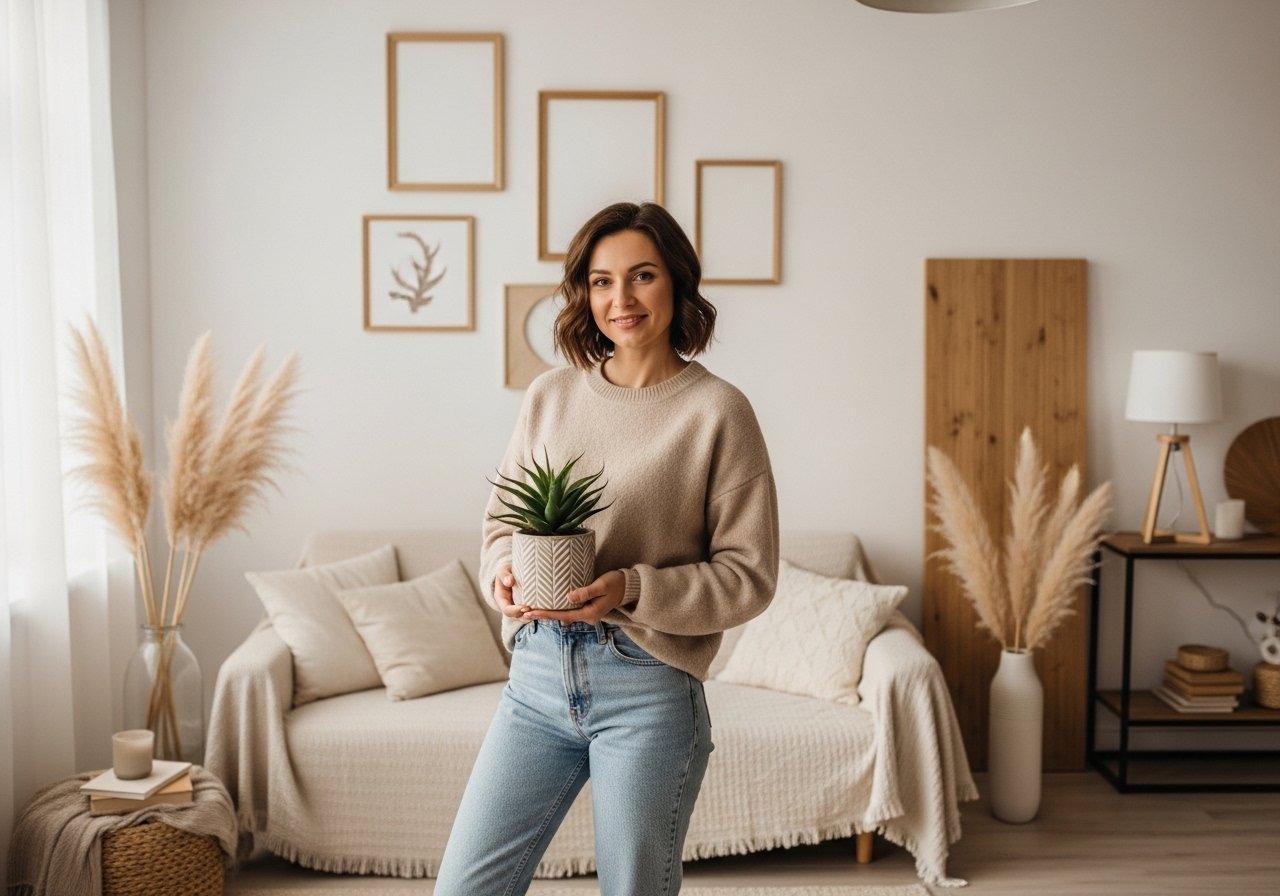
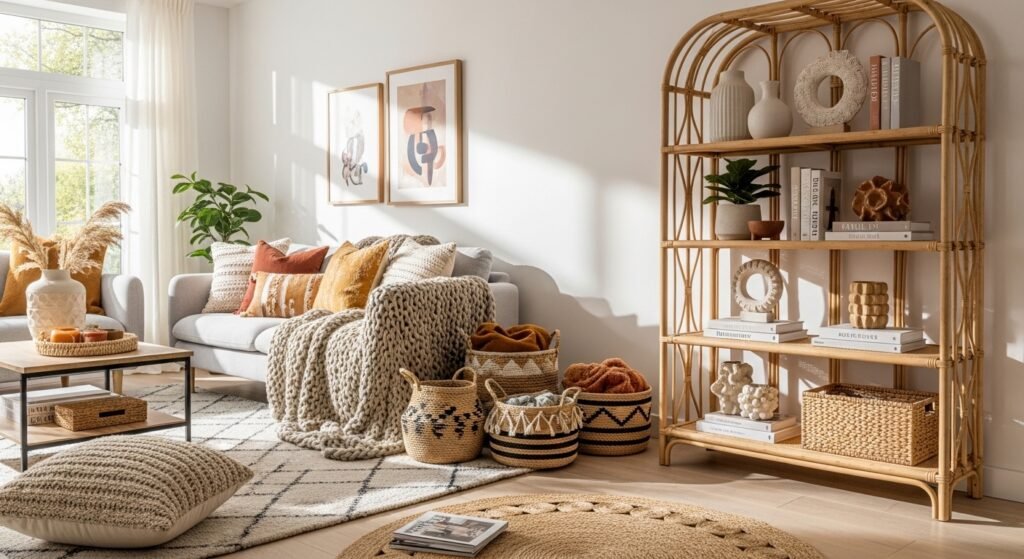
My living room had nice furniture and decent lighting but it still felt like a waiting room. Took me embarrassingly long to figure out it was missing texture and simple storage. Once I started trading anonymous plastic bins for woven baskets and a few shallow trays, everything felt more lived in and less like a showroom.
These ideas lean boho with warm neutrals, lots of natural materials, and playful textiles. Most fixes are under $60, with a few splurges around $100. They work for entryways, living rooms, bedrooms, bathrooms, and awkward corners that need purpose.
Woven Baskets for Entryway Drop Zones
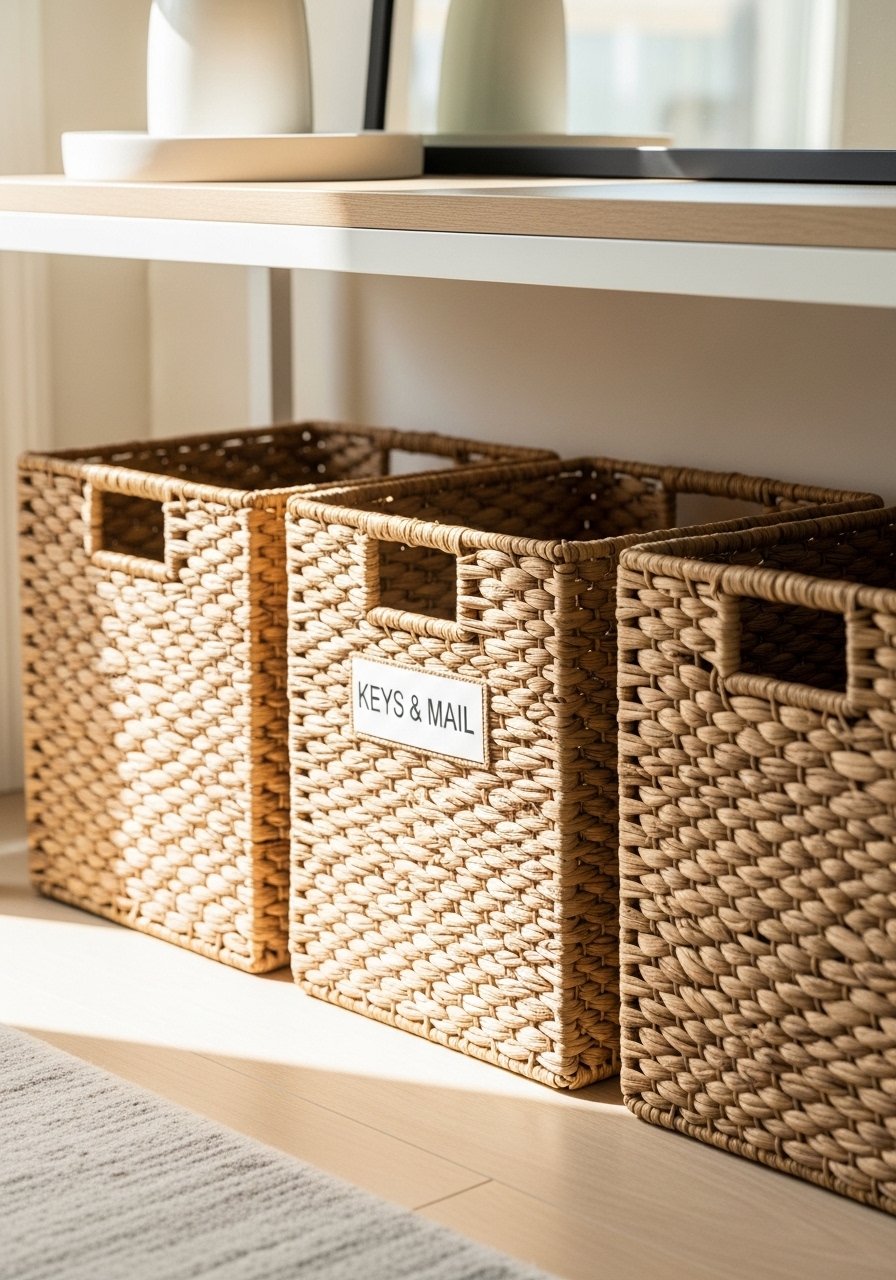
My entry was chaos until I gave everything a home. Woven baskets make a drop zone that looks styled and catches jackets, shoes, and mail. Use three sizes, the biggest about 18 inches wide, the medium 12 inches, and a shallow 6-inch tray for keys. A common mistake is using one basket for everything. Sort by use so the basket actually gets emptied. I like a set of seagrass baskets for $40 to $70 because they hide clutter and add warmth. Pair this with a narrow bench and a tray for sunglasses to keep the top tidy.
Open Shelving with Small Baskets in the Living Room

Open shelving looks messy fast if everything is different sizes. My trick was small matching baskets, about 10×8 inches, to corral remotes, chargers, and stray papers. The visual rule I use is two closed storage pieces per shelf to avoid clutter. People often stack books vertically only. Mix horizontal stacks with a basket beside them. I recommend linen-lined baskets for fragile items and a pair of larger baskets on the bottom shelf for blankets. These make the shelves feel thoughtful instead of chaotic and cost under $60 for a set.
Macramé Hangers for Small Bathroom Storage
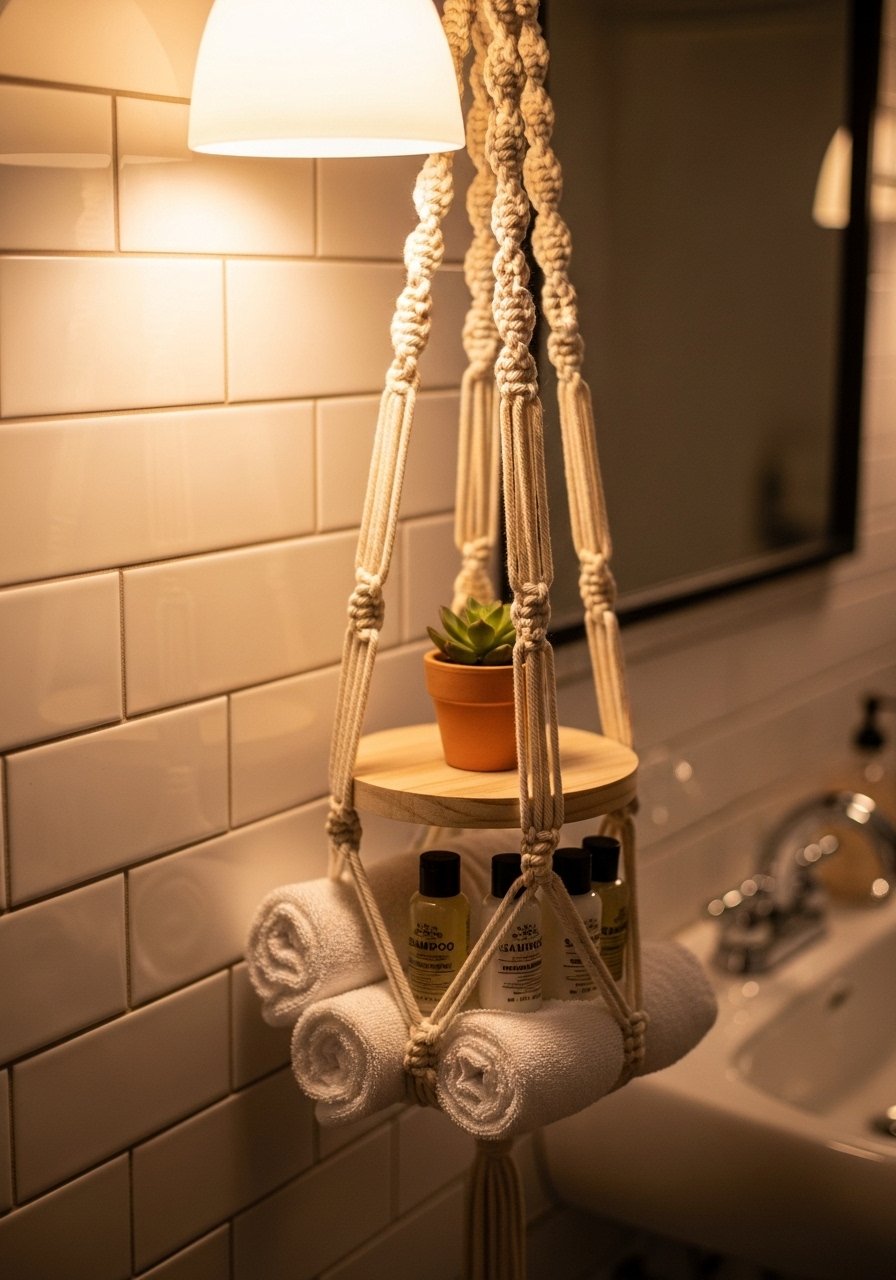
Bathrooms are where countertop clutter goes to die. I swapped a small shelf for a macramé hanger to suspend rolled washcloths and a wire basket for extra toilet paper. The trick is to hang the macramé about 16 inches from the ceiling so it reads intentional, not like an afterthought. A lot of people cram shelves too close to the mirror. Macramé keeps small items accessible and adds texture. A handcrafted hanger runs $20 to $40. Use a waterproof liner inside the basket if it will touch damp items.
Labelled Jars for Pantry and Open Shelving
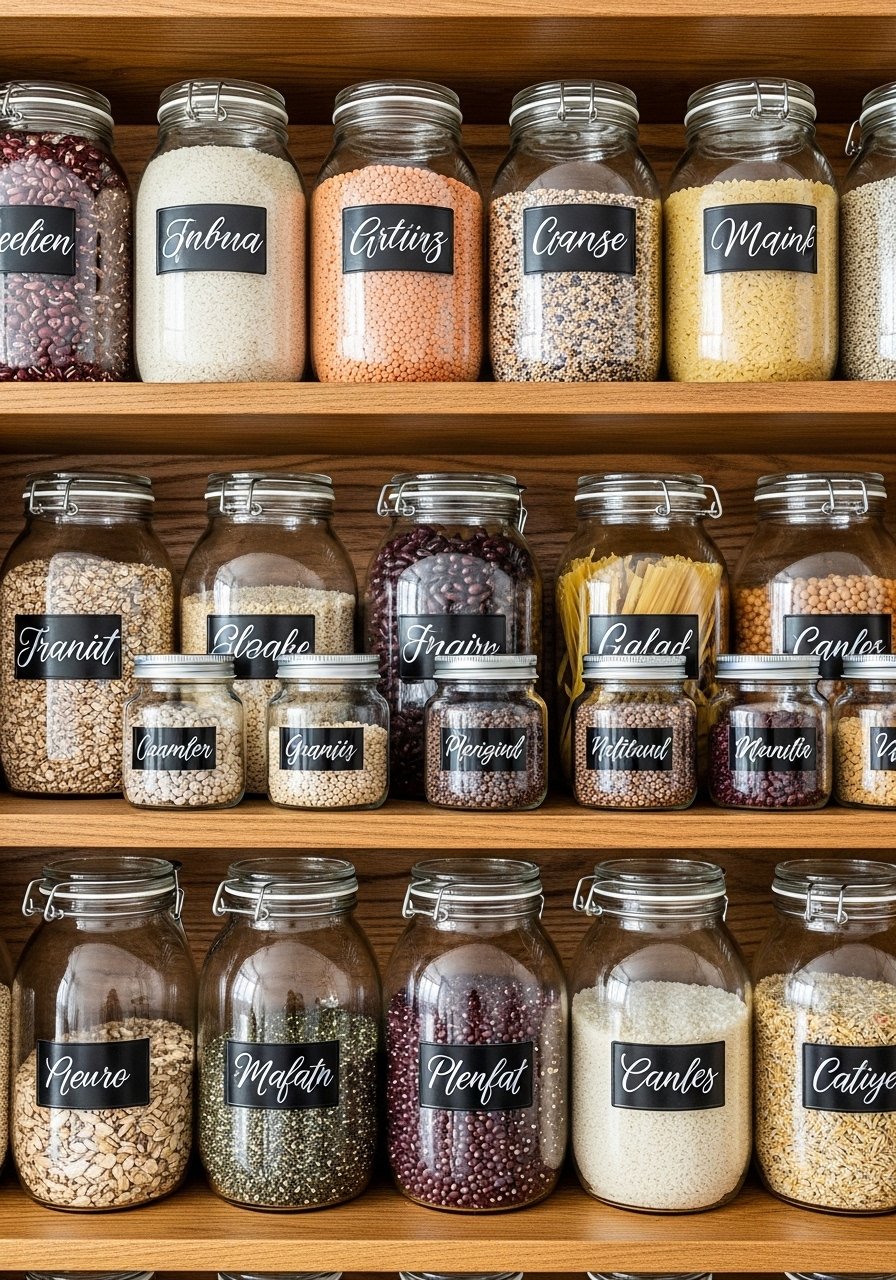
My pantry stopped being a mystery when I switched to clear jars with labels. Use 32-ounce jars for grains and 16-ounce for seeds, then write the date you opened it on the back. The common mistake is tiny jars that need refilling every week. Uniform jars make the shelf look tidy and the contents function as decor. I keep a set of chalk labels and a funnel handy. Buying a single set of glass jars for $30 to $60 saved time and cuts food waste because I stop buying duplicates.
Vertical Pegboards for Home Office Corners
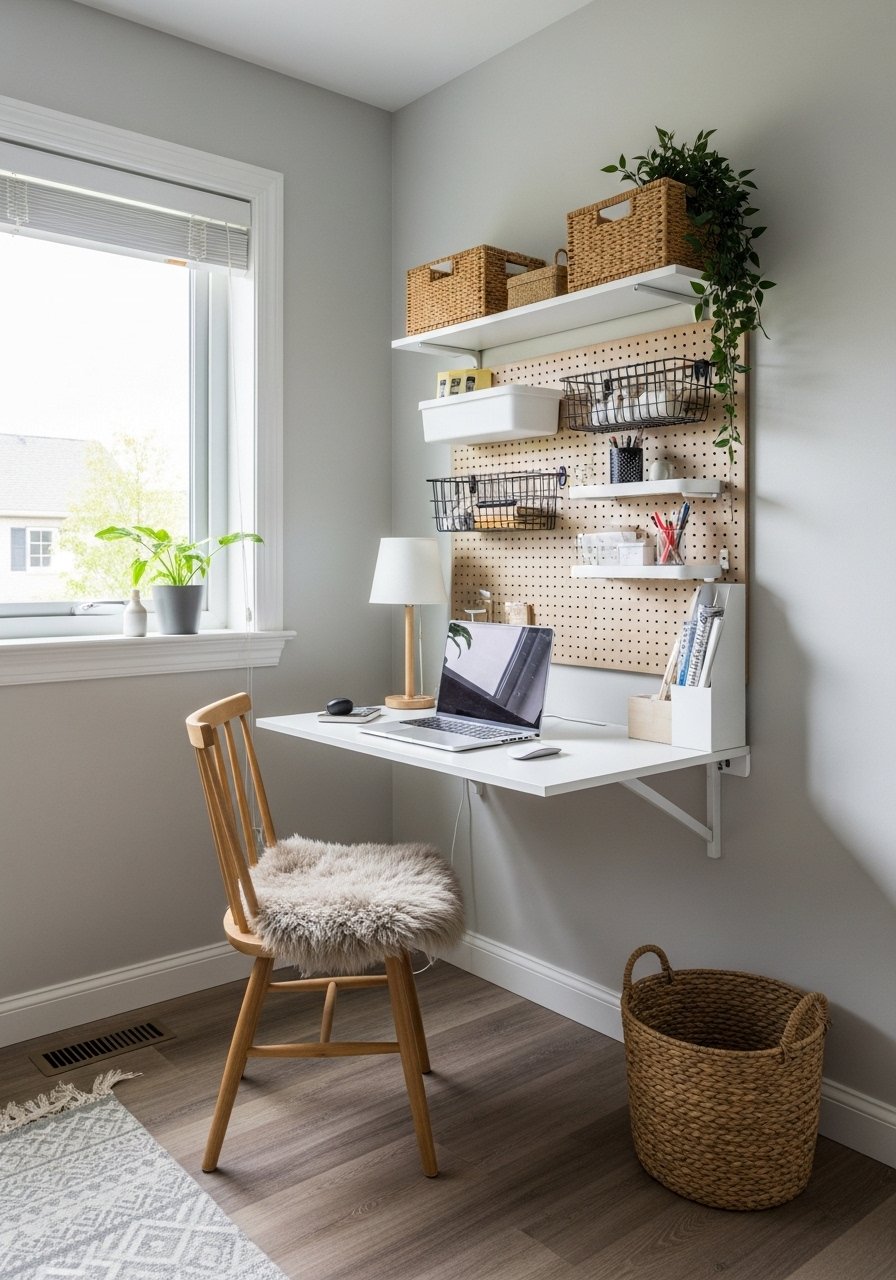
I needed storage but not a new desk. A pegboard mounted vertically turned a slim wall into an office station. Use pegboard baskets for papers, a small shelf for a plant, and hooks for headphones. The spacing rule I use is 6 inches between pegs for baskets to avoid overlap. People place pegboards too high, making them awkward. Keep the center at eye level for easy reach. A painted pegboard kit for $40 lets you match the room while keeping cords and supplies off the floor.
Hanging Rail with Hooks for Kid Spaces
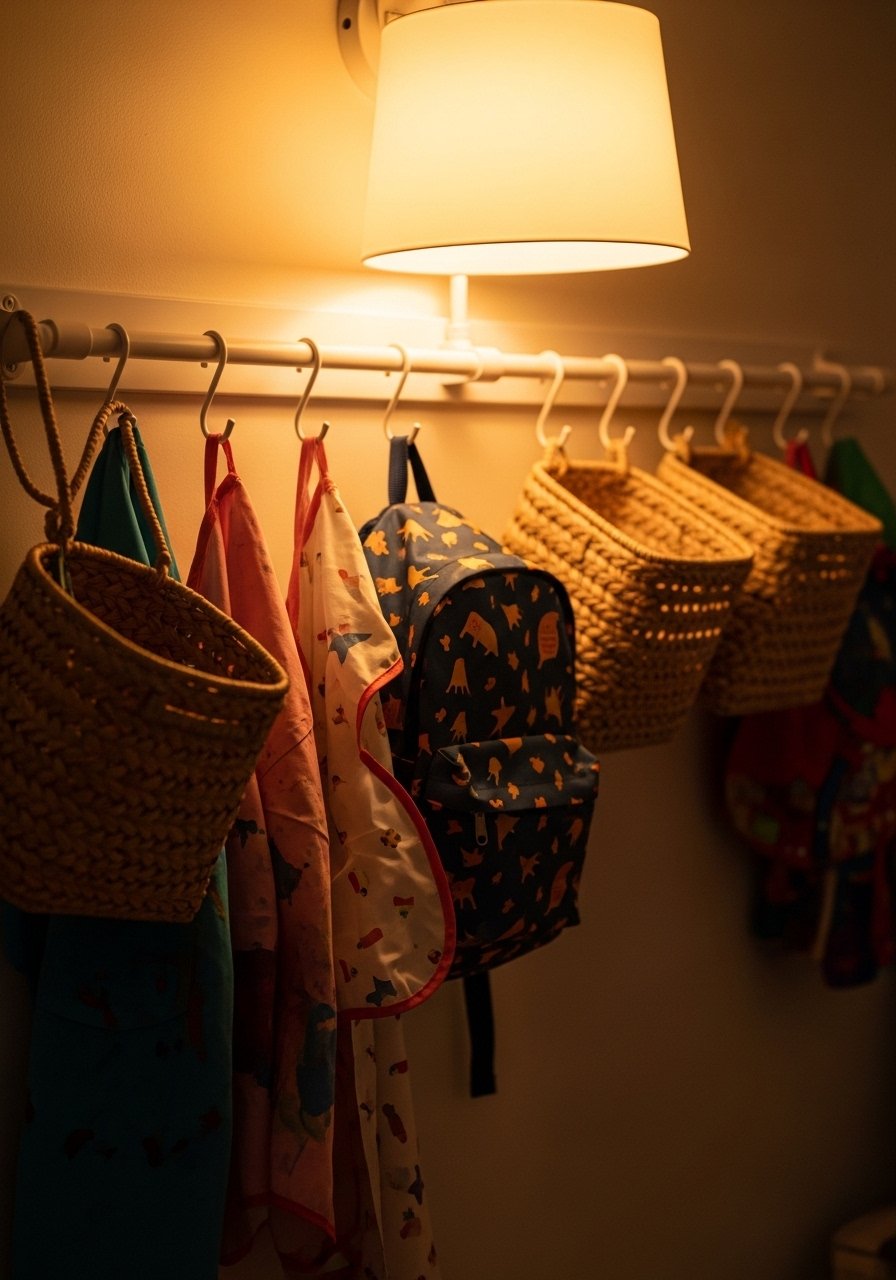
Kid clutter multiplies overnight. Installing a low hanging rail with S-hooks creates a tidy spot for backpacks, jackets, and baskets for small toys. Mount it 3.5 feet from the floor so kids can reach it. The mistake is installing hooks too high and then doing everything for them. Use small woven bins on the floor for mismatched shoes. A rail system for $30 to $70 makes cleanup part of the routine and keeps the floor visible for play.
Concealed Laundry Sorter in Closet Nooks
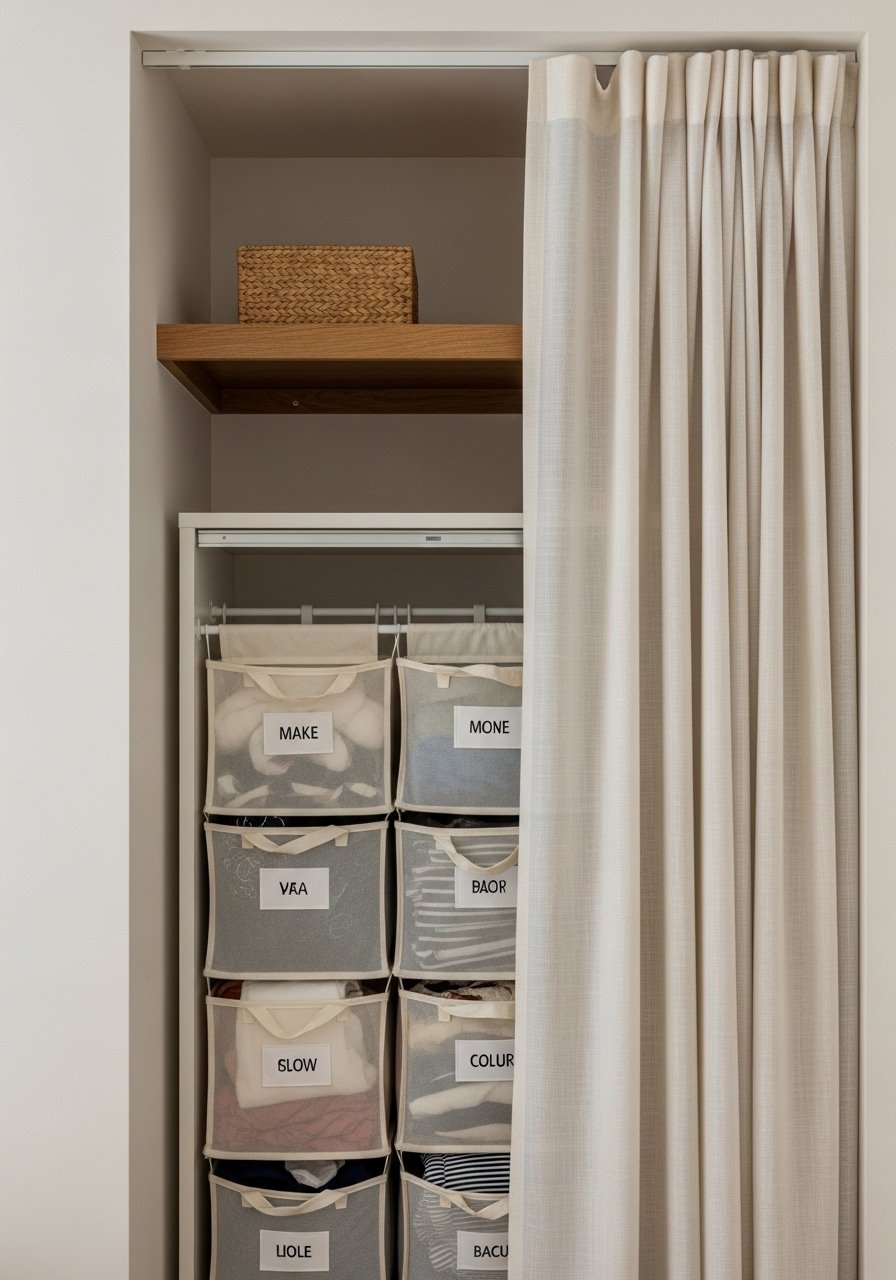
Laundry looks endless when you have no system. I built a concealed sorter using three fabric bags labeled lights, darks, and delicates, and hung them on a tension rod inside a closet. The right spacing between bags is about 6 inches so they move freely. People throw a basket on the floor and call it a day. Hiding the sorter behind a curtain keeps the room calm. Fabric sorters are $25 to $60 and are renter-friendly if you use removable hooks.
Layered Rugs for Cozy Boho Living Rooms
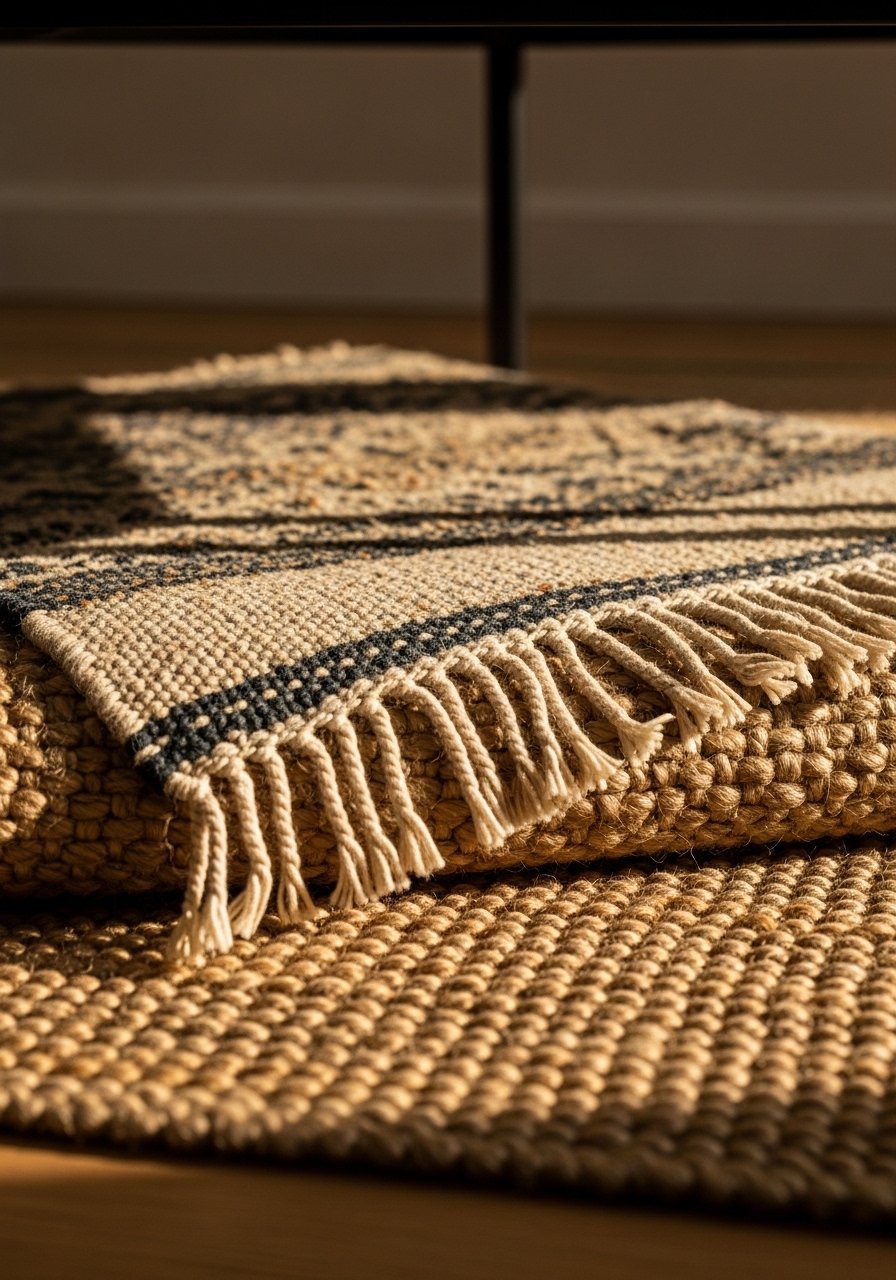
There is something about layered rugs that makes a room invite you to sit down. Start with a natural jute rug sized to anchor the seating, then layer a 5×8 patterned rug so the coffee table sits fully on the top rug. A common mistake is using two rugs the same size, which reads confused. The ratio I like is a base rug at least 25 percent larger than the top rug. Layering adds pattern, protects floors, and costs between $80 and $250 depending on materials.
Slim Console with Catch-All Trays in Hallways
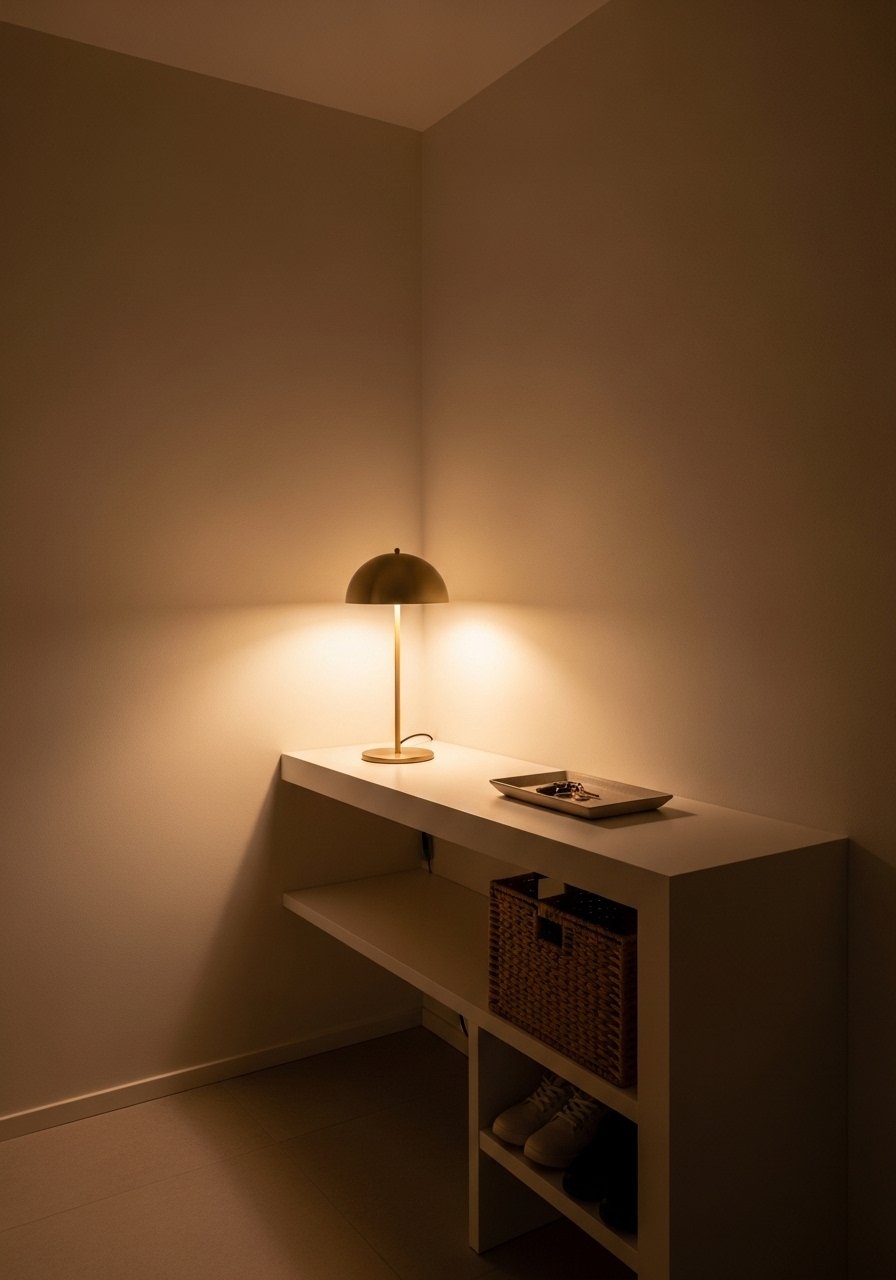
My hallway table used to attract junk. Swapping to a slim console and a shallow ceramic tray made the difference. The tray should be 12 by 8 inches to catch wallets and keys without swallowing the surface. Don’t buy a console wider than the hallway. Too much depth makes traffic awkward. Pair the tray with a basket underneath for scarves and a small dish for incoming mail. A simple console runs $90 to $200 and the tray adds polish for under $25.
Repurposed Ladder for Towel and Throw Storage

I found an old ladder at a flea market and it became the best storage hack. Lean it against the wall to hold bath towels or living room throws. Spacing the rungs about 10 to 12 inches apart works for bulky throws. A common mistake is buying a ladder with rungs too close together, which traps blankets oddly. Ladders cost $40 to $120 depending on age and finish. They add vertical interest and are easier to move than a bulky blanket chest.
Multi-Compartment Trays on Nightstands for Jewelry
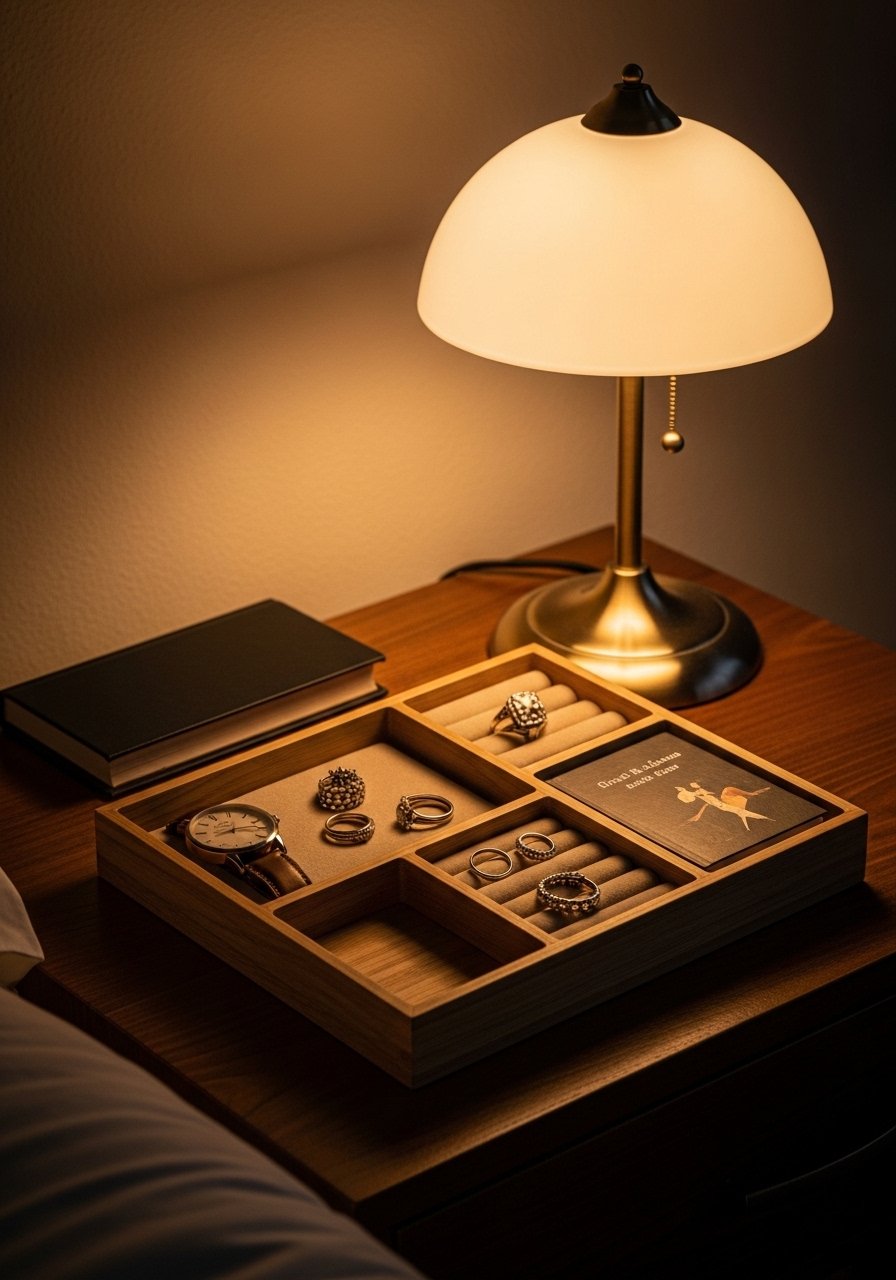
Nightstands collect everything. A wooden multi-compartment tray keeps jewelry, lip balm, and a bedside book organized. I use a tray with a 3:2:1 compartment ratio, the largest for a book, the medium for a watch, and the small for rings. People often drop jewelry on the mattress. Keeping a specific spot prevents lost items. A well-made tray is $20 to $45 and instantly makes the nightstand look curated.
Floating Shelves with Uniform Containers in Bathrooms
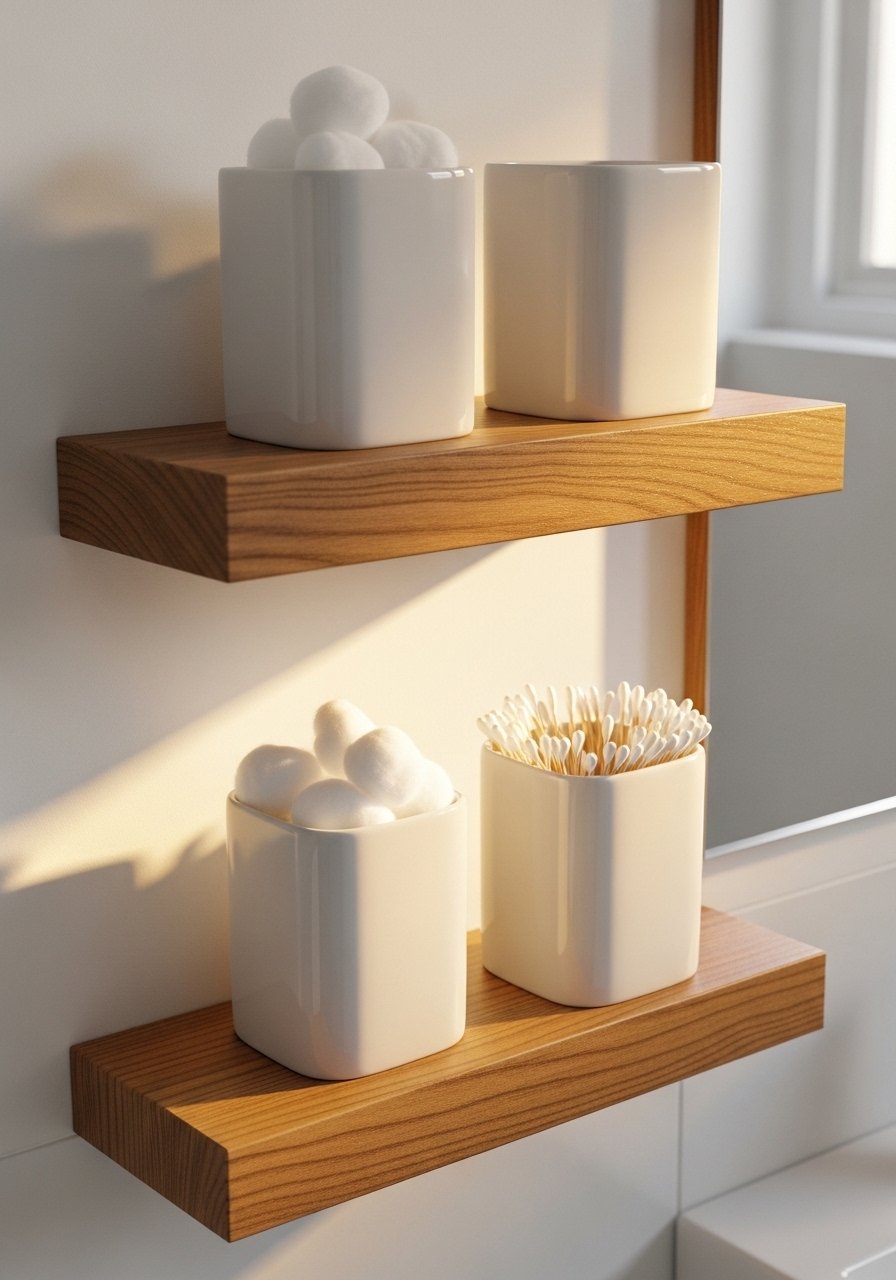
Floating shelves can look cluttered when everything is different. I swapped in uniform ceramic containers for cotton balls, q-tips, and a small soap dish. The visual tip is to use odd numbers of containers, three per shelf, and leave breathing room on either side. People cram every inch of shelf. Leave half an inch between containers for a neat look. Ceramic containers are dishwasher safe and cost $12 to $30 each, and they make the bathroom feel intentional.
Built-In Nook with Baskets for Reading Corners

There is something about a reading nook that makes a small home feel luxurious. I built a low bench with storage baskets under the seat for magazines and extra pillows. Use baskets that are 14 inches high so they fit neatly under the bench without sticking out. The mistake is making the bench too shallow, which feels uncomfortable. A shallow seat of about 18 inches depth works for most people. Baskets for under-bench storage run $30 to $70 and keep the nook usable without visible mess.
Magnetic Strips and Hooks in Kitchens for Utensil Control

Kitchen drawers become graveyards for gadgets. A magnetic strip for knives and a row of S-hooks for measuring cups clears drawers and keeps things handy. Mount the strip about 4 inches above the counter for safety and reach. People cram knives into a drawer where they dull. A magnetic strip is $15 to $35 and frees up drawer space for linens or cutting boards. This also makes meal prep move faster when everything is visible.
Fold-Flat Furniture for Small Boho Apartments
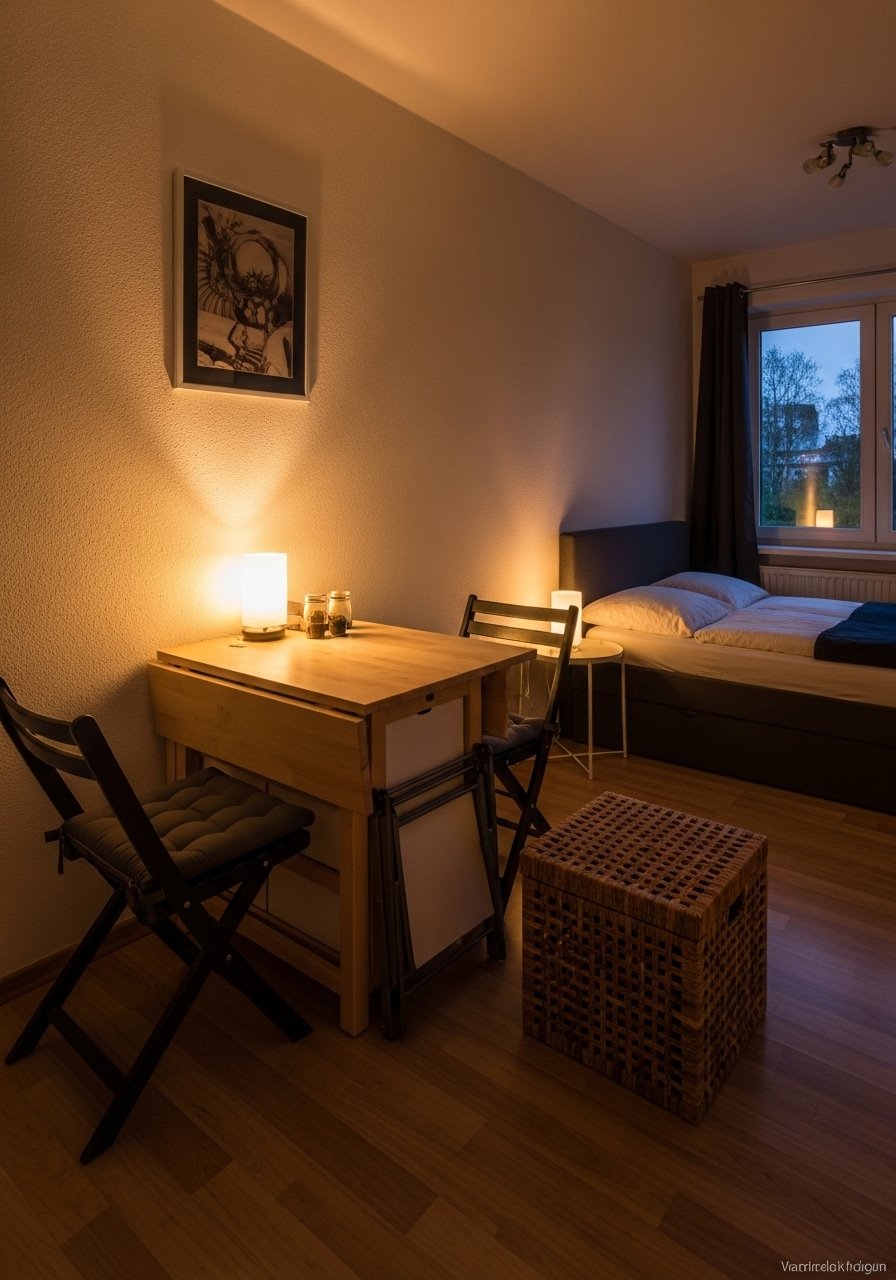
Small spaces forced me to choose furniture that folds. A drop-leaf table that folds to 16 inches deep becomes a console when closed and a dining surface when guests arrive. The common mistake is picking folding furniture that looks temporary. Choose pieces with warm wood or woven texture so they read as part of the decor. Measure the folded depth and the open footprint before buying. A good folding table runs $80 to $220 and gives you flexibility without clutter.
Your Decor Shopping List
Textiles
- Honestly the best $40 I have spent. Chunky knit throw in cream 50×60 inches, machine washable
- 22-inch linen pillow covers, set of 4 in natural and terracotta (~$45)
Wall Decor
- For the gallery wall idea, try brass picture ledges, set of 2 (~$18)
- 6-pack mixed metal picture frames in 8×10 and 5×7 sizes (~$35)
Storage & Baskets
- Seagrass basket set, 3-piece sizes 18in/12in/6in (~$50)
- Fabric laundry sorter, 3 compartments with removable bags (~$35)
Rugs & Lighting
- 8×10 jute area rug natural fiber (~$120)
- Table lamp with woven shade warm LED compatible (~$45)
Budget Finds
- Macramé plant hanger, set of 2 (~$20)
- Magnetic knife strip 18 inch stainless steel (~$20)
Similar at Target or HomeGoods for quick swaps on price or to see materials in person.
Shopping Tips
White oak beats dark wood in current feeds. White oak floating shelves look modern and age well. Pick shelves with 10 to 12 inch depth for mixed decor.
Grab velvet pillow covers for $12 each. Swap them every season and the room feels refreshed without a major purchase.
Curtains should puddle or kiss the floor, never hang halfway up. 96-inch linen curtain panels are right for standard 9-foot ceilings.
Lead with function, then style. Fabric laundry sorter that fits your closet will get used. Measure the space first.
One large plant beats five tiny succulents. For height without life work, try artificial fiddle leaf fig 6ft with a heavy base.
Frequently Asked Questions
Q: Can I mix boho textiles with modern furniture without it looking messy?
A: Yes, if you choose a consistent color story. Keep 80 percent of textiles neutral and use 20 percent for patterned accents. I usually limit patterns to one pillow pattern plus a patterned rug. Mixing textures like linen, wool, and leather ties things together.
Q: What size rug do I actually need for the layered rug look?
A: Bigger than you think. For a standard living room, start with an 8×10 base and layer a 5×8 on top so the coffee table sits entirely on the smaller rug. That ratio keeps furniture anchored and prevents the room from appearing chopped.
Q: How do I stop my open shelves from looking cluttered?
A: Use uniform baskets and keep two closed storage pieces per shelf. Leave one-third of each shelf empty for breathing room. Seagrass baskets set helps achieve a calm look.
Q: Are artificial plants acceptable in boho decor?
A: Both real and artificial work. Use real when you have light and a watering routine. Use an artificial fiddle leaf fig where you want height without maintenance. Place a real low-light plant in a woven basket for authenticity.
Q: What is a quick renter-friendly storage upgrade?
A: Removable hooks, a tension rod laundry sorter, and woven baskets. None of these require drilling and they hide clutter fast. A macramé hanger and small baskets can change a room for under $60.
Q: How do I choose baskets that won't fall apart?
A: Check the weave and seams, and prefer baskets with a cloth lining for fragile items. If a basket has loose fibers when you touch it, skip it. A midrange basket in the $30 to $60 range tends to hold up better than the cheapest option.
Q: Where should I put a console in a narrow hallway?
A: Keep the depth under 12 inches and center the console so there is at least 30 inches of clear walkway on either side. A slim ceramic tray on top will hold essentials without looking cluttered.
Q: What mistakes do people make with layered curtains?
A: Hanging too low and choosing panels that are too narrow. Panels should be wide enough to cover the window when closed and long enough to either kiss or puddle the floor. 96-inch linen panels are a safe bet for most rooms.