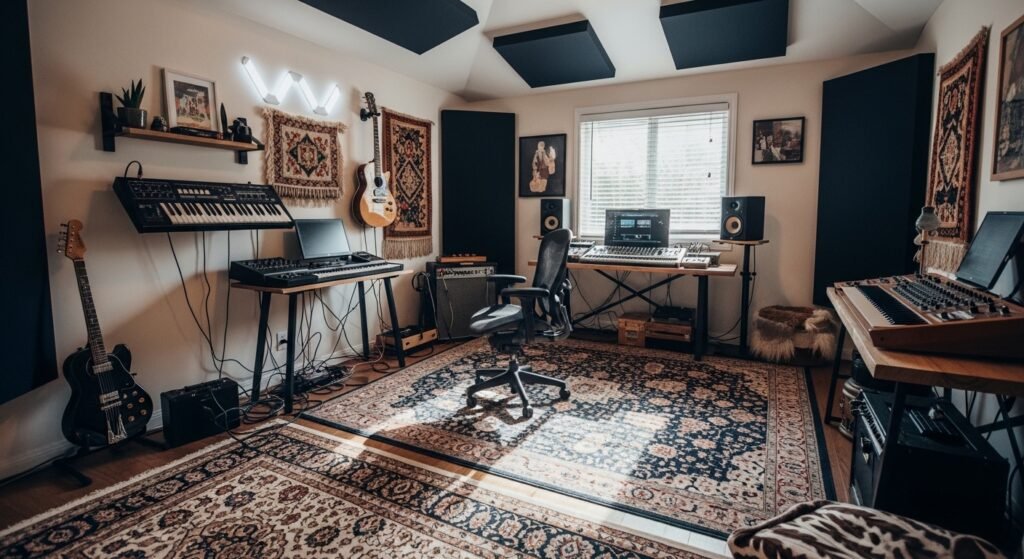
My living room had nice furniture and decent lighting but it still felt like a waiting room. Took me embarrassingly long to figure out it was missing texture. Every surface was smooth, every color was flat, and nothing invited you to actually sit down. I fixed that with three throws, a rug that reached under the chair, and a wall rack that finally freed the floor.
These setups lean modern with hints of industrial warmth, and most projects here sit under a midrange budget. Most home producers fight cramped floors first thing. Folks squeeze pro work into spaces under 120 square feet these days. These ideas work for living rooms, bedrooms, loft corners, or any small room that doubles as a place to sleep and make music.
Minimalist Wall Racks For Small Studios
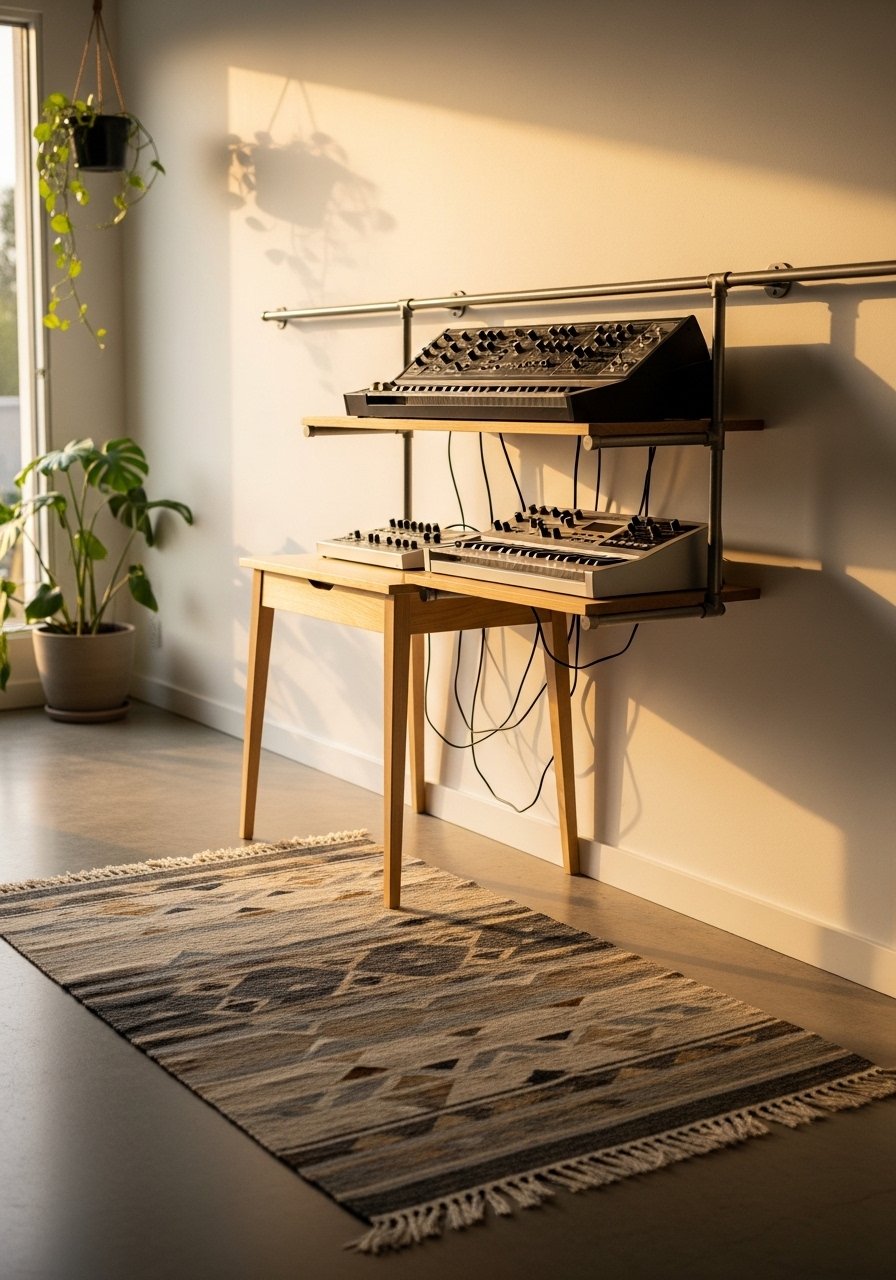
I started mounting synths and the floor suddenly felt usable. Wall racks free up the desk and give you an easy eye-level play position. Aim to leave 8 to 12 inches between the mounted instrument and the desk edge so your elbows have room. Budget runs about $200 to $400 if you include a steel rack like a compact studio rack and a couple of bracket mounts. A common mistake is mounting everything at the same height. Stagger the levels by 4 inches for visual interest and easier access. For renters, use studs where possible, and pair with heavy-duty command strips under lighter shelves.
Futon Swap For Bedroom Studios
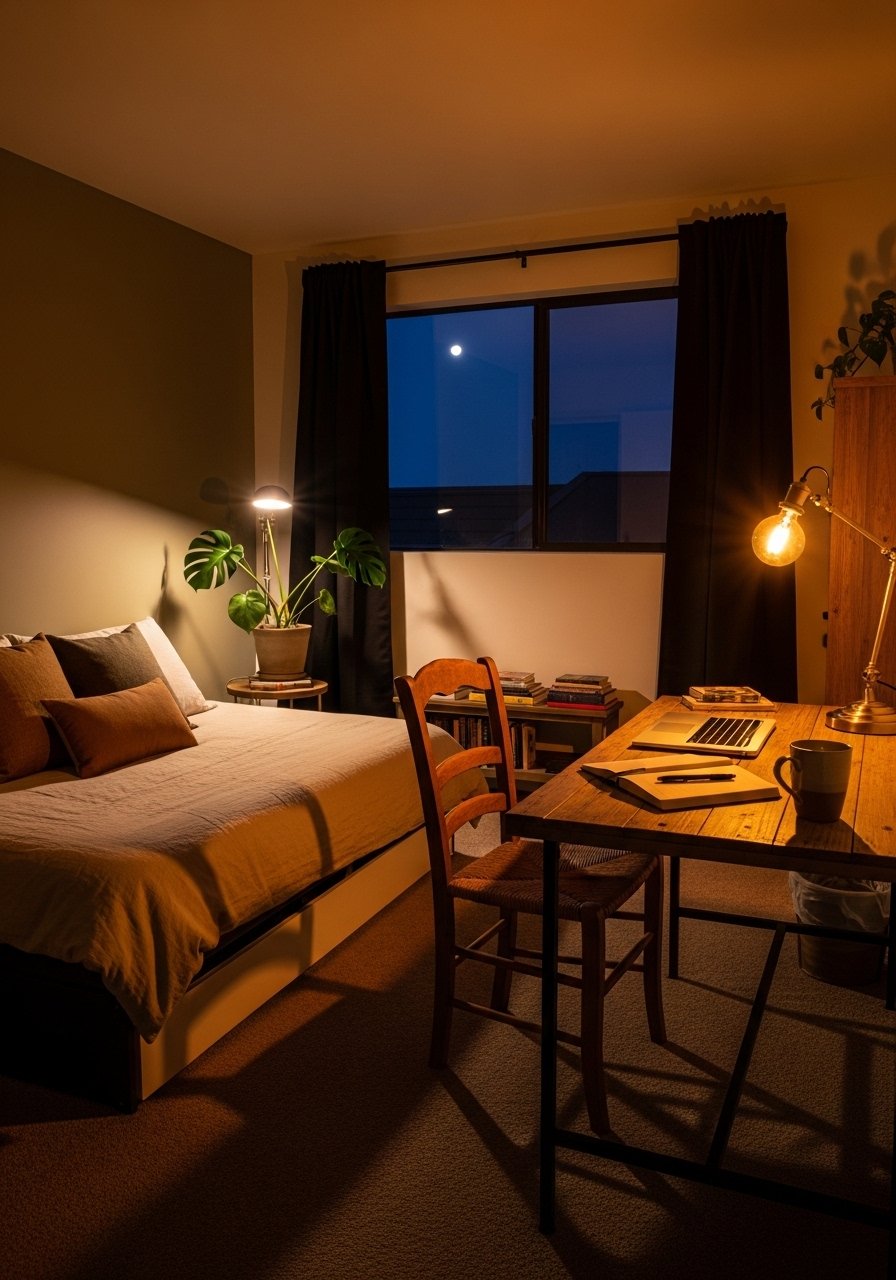
Most people keep a bed and wish it would disappear during client visits. I swapped a full futon and suddenly had a usable meeting space. The Ikea-style futon I bought cost about $300 to $500. Pick a frame that folds flat and sits no more than 16 inches off the floor so your desk chair clears it. Mistake to avoid is choosing a futon with low-density foam. Spend the extra $80 for a better mattress or your back will tell you. Pair this with cable wall hooks above the futon to keep patch cables off bedding. Works well in bedroom studios and guest-ready spaces.
Back Wall Acoustic Panels For Square Rooms
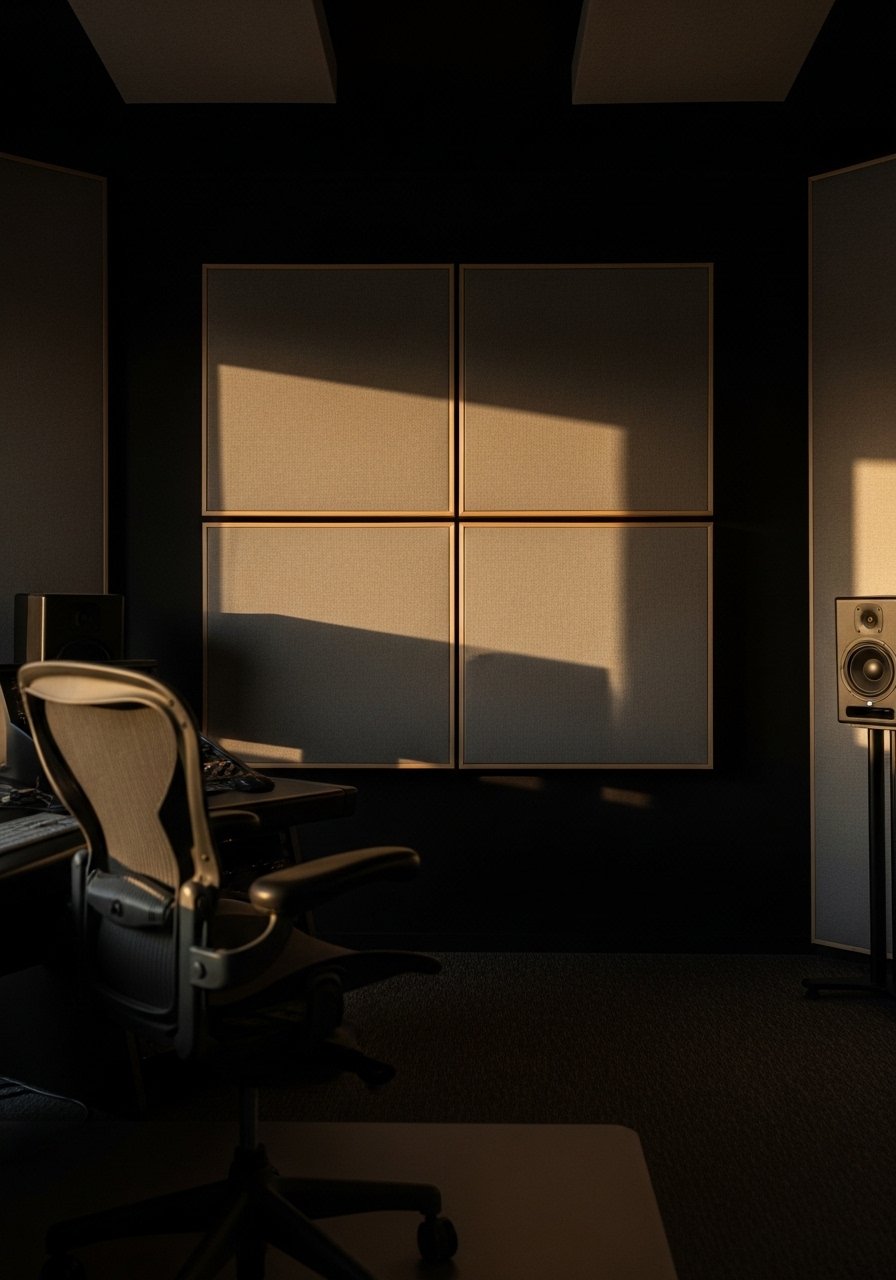
My mixes improved the moment I treated the back wall. About six in ten pick sound fixes before looks in tight spots. Targeted panels on the back wall tame booming frequencies without deadening the whole room. Buy two to four panels and center them behind the mix position. A practical rule is to cover roughly 20 to 30 percent of the back wall surface for a noticeable effect. Affordable acoustic panels run $100 to $250. People overdo absorption across every wall and then complain the room sounds dead. Add a small ceiling cloud if your room is square and slap is still a problem.
Dimmable Mood Lighting For Night Sessions
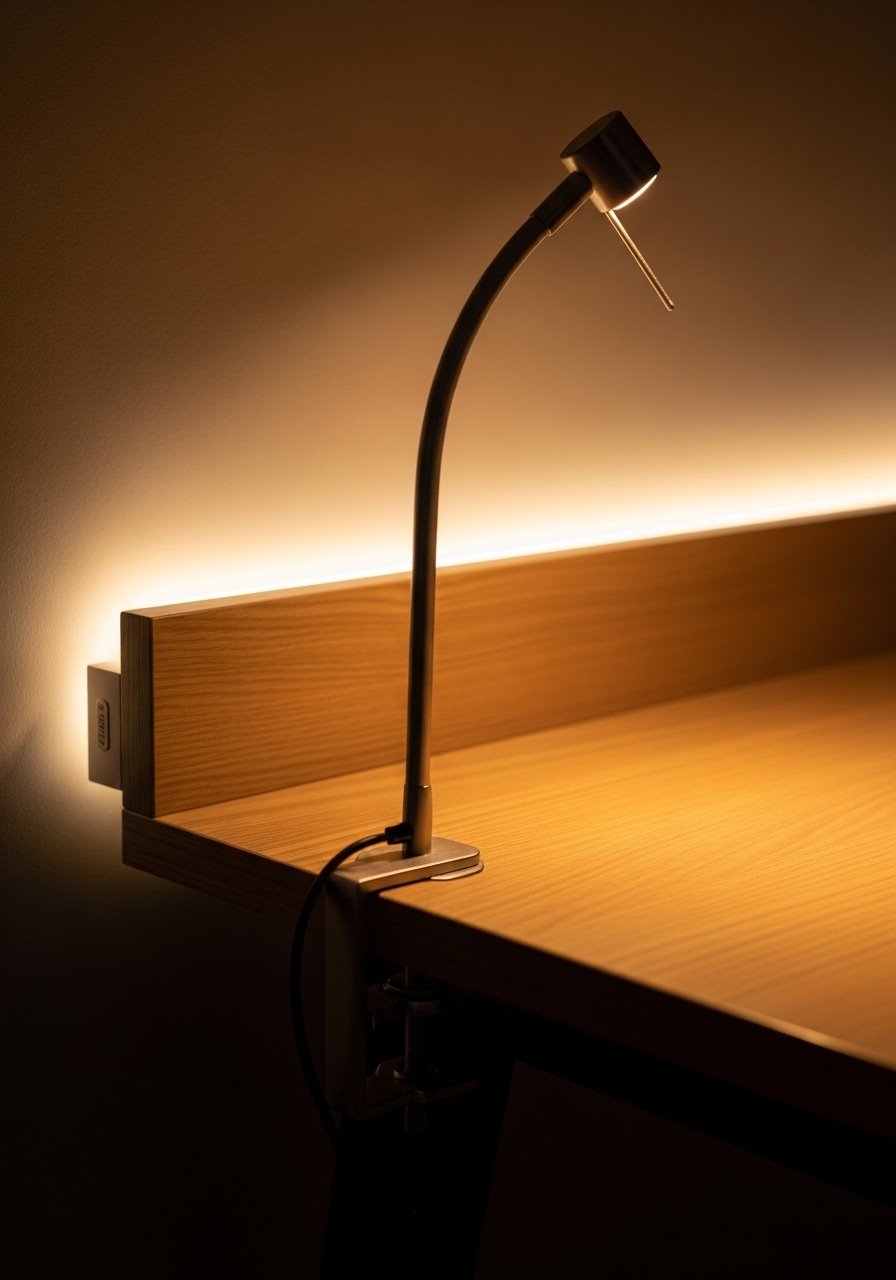
There was a night I kept working simply because I could shift the light with one app. Controllable lighting takes a grind session and makes it feel deliberate. Dimmable LED strips behind the desk and a clamp lamp above your rig cost about $50 to $150. I use a color-change LED strip kit behind monitors and a clamp lamp for score reading. A common mistake is bright overheads only. Layer your light into three levels so you can go from focused to vibey in seconds. If glare from screens is your problem, install strips 2 to 3 inches behind the monitor edge to hide hotspots.
Floating Pedal Shelf For Fast Access
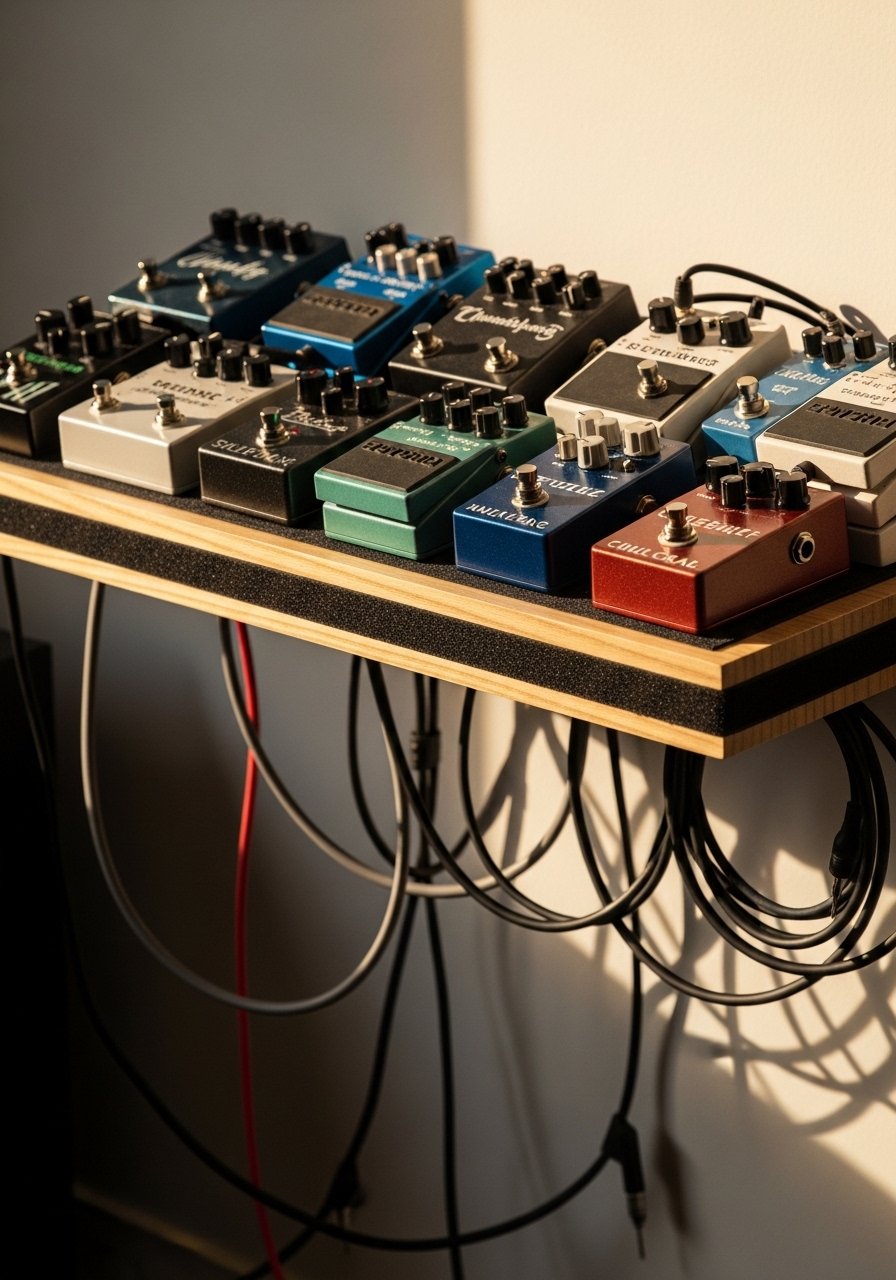
Pedals used to live on the floor and trigger stubbed toes. Floating shelves keep them ready without eating floor space. I Velcro pedals to a 24-inch shelf and leave a 2-inch lip so cables tuck behind. Budget is $80 to $200 depending on shelf material and hook hardware. Grab heavy-duty Velcro strips and peel-and-stick cable clips for the underside. Newbies often cram pedals too close together. Leave 1.5 to 2 inches between pedals so your foot lands cleanly. This pairs nicely with the wall rack idea above to keep everything vertical.
Symmetric Speaker Setup For Better Mixes
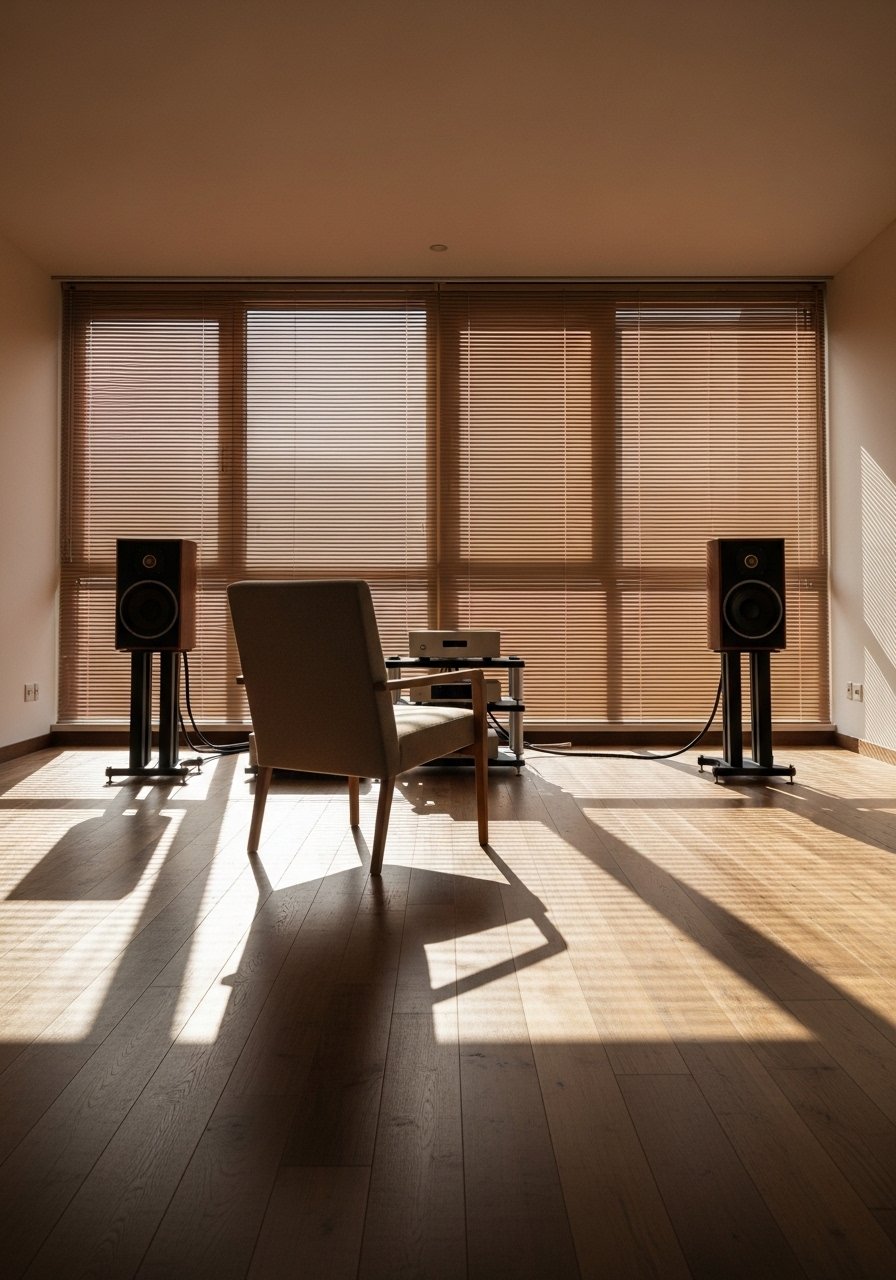
My mixes stopped sounding weird after I moved the speakers. Speakers should be symmetric to room boundaries and the listener should sit slightly off-center. Place stands so each speaker is the same distance from the nearest side wall. A quick measurement trick: speakers should form an equilateral triangle with your head, with each speaker about 30 to 36 inches from the front wall to reduce bass build-up. Isolating speaker stands cost $150 to $300. A mistake is centering the listener between the room walls. Move your chair one speaker width off center and your low end will calm down.
Ceiling Cloud Over The Mix Position
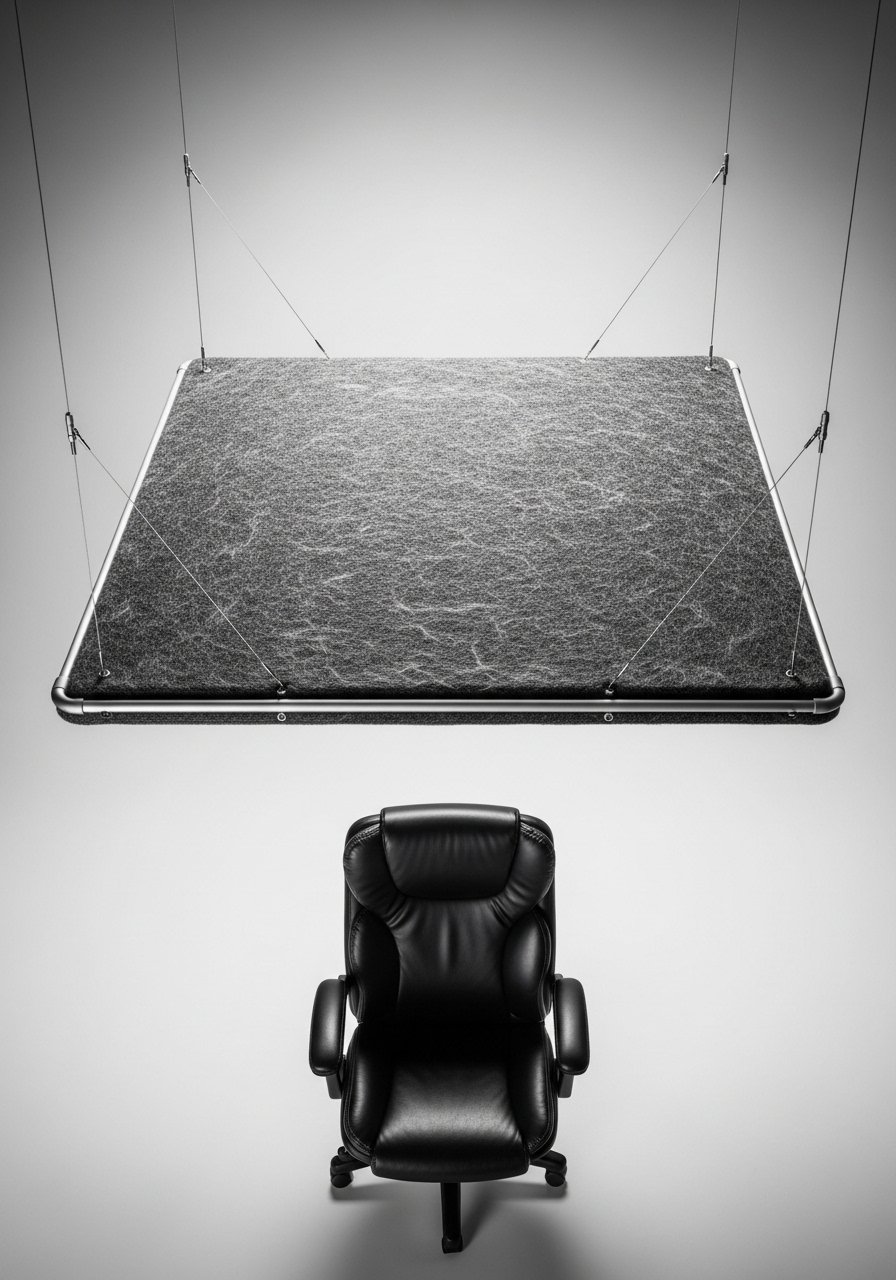
There was a slap from the ceiling that made vocals sound thin. A ceiling cloud hung over the mix spot soaks that right up. For small rooms, build a cloud about 2 feet by 3 feet and center it 4 to 6 feet above the seating position. Budget varies from $150 for a DIY fabric-wrapped panel to $350 for a finished unit. Use a tension rod or ceiling hooks if drilling is off the table. Acoustic ceiling panels are renter-friendly when mounted with removable hardware. New builders often mount it too far forward. Keep it centered over the chair for the most impact.
Sliding Drawer For Hidden Gear
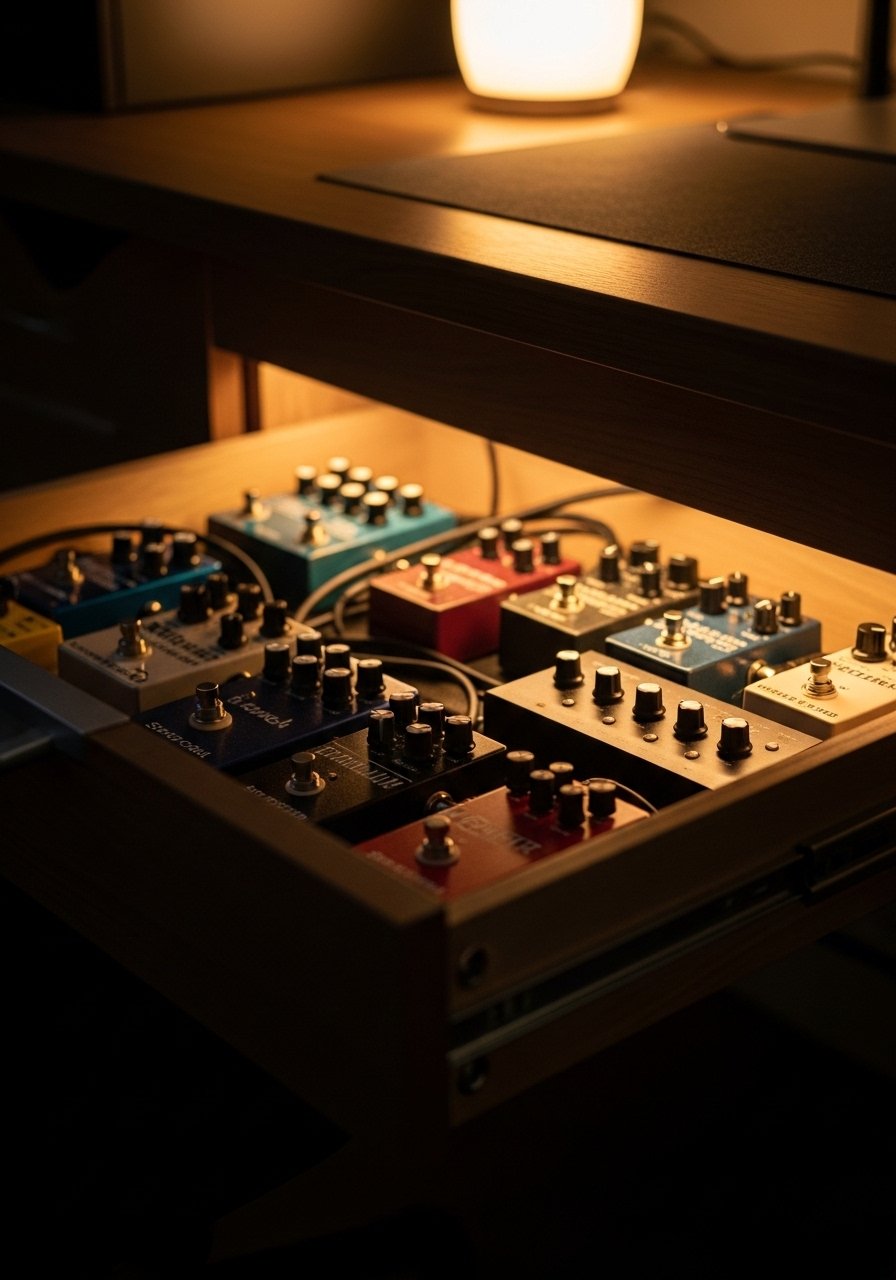
I store the gear I use all the time in a sliding drawer so setup takes 30 seconds. A 24-inch pull-out drawer with a velcro grid hides pedals and leaves the top tidy. Expect $100 to $250 for a decent sliding rack or drawer insert. Under-desk sliding drawers work well, especially when paired with Velcro on the pedal bottoms. The common mistake is using a drawer too shallow so cables bend. Leave 3 to 4 inches of depth behind the gear for cable slack and airflow. This idea works great next to the floating pedal shelf if you want a hidden and an immediate option.
Vinyl Listening Corner For Breaks
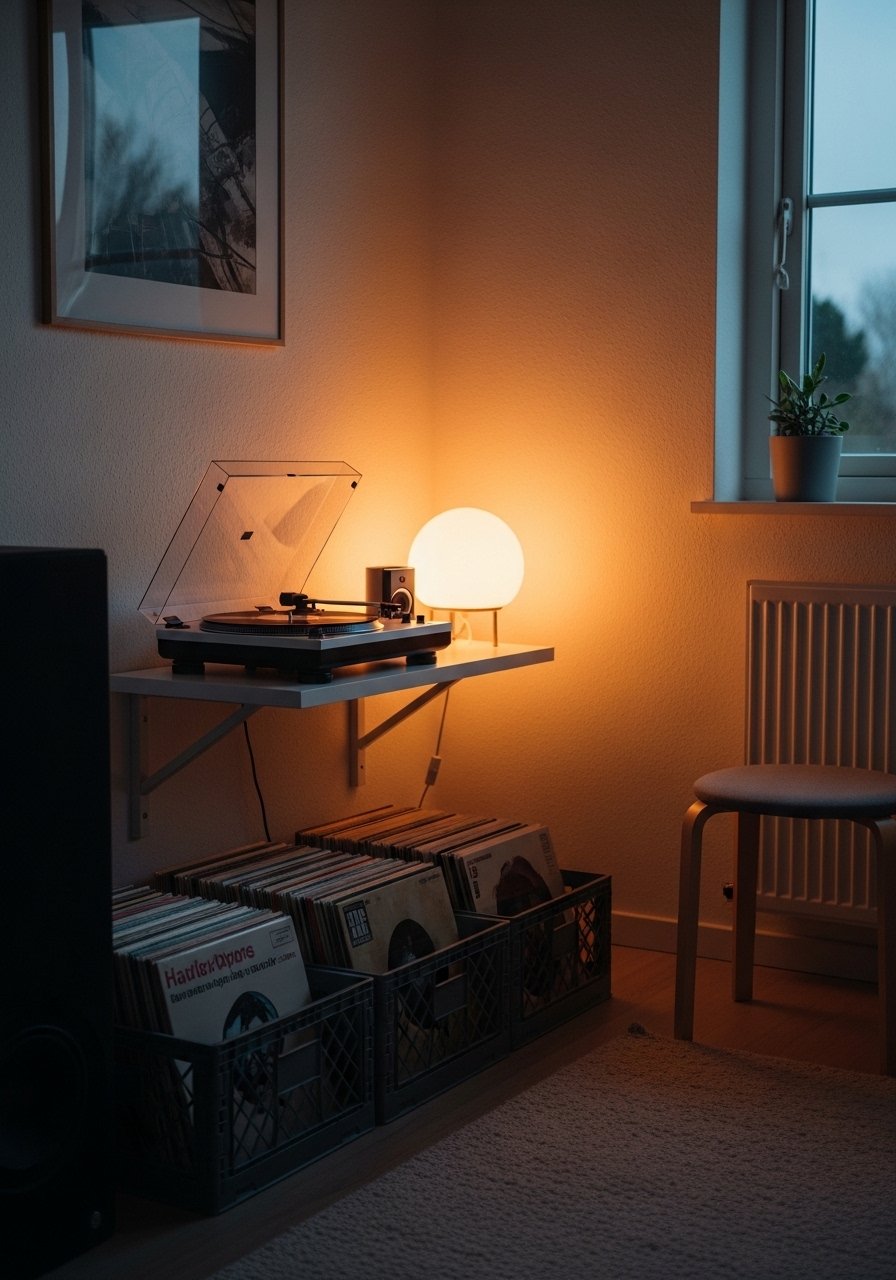
I stole a corner for records and it became my thinking spot. A small vinyl listening area gives you a break from the desk without extra clutter. Mount the turntable on a 20 to 24 inch floating shelf and keep crates beneath at knee height. Budget is $200 to $500 depending on the turntable and shelving. I like a dedicated record player shelf and a low pouf. The mistake people make is making the shelf too high. If your arm has to reach above shoulder height you will bounce the needle. This corner pairs nicely with the rug anchor idea below.
Cable Management Hangers That Last
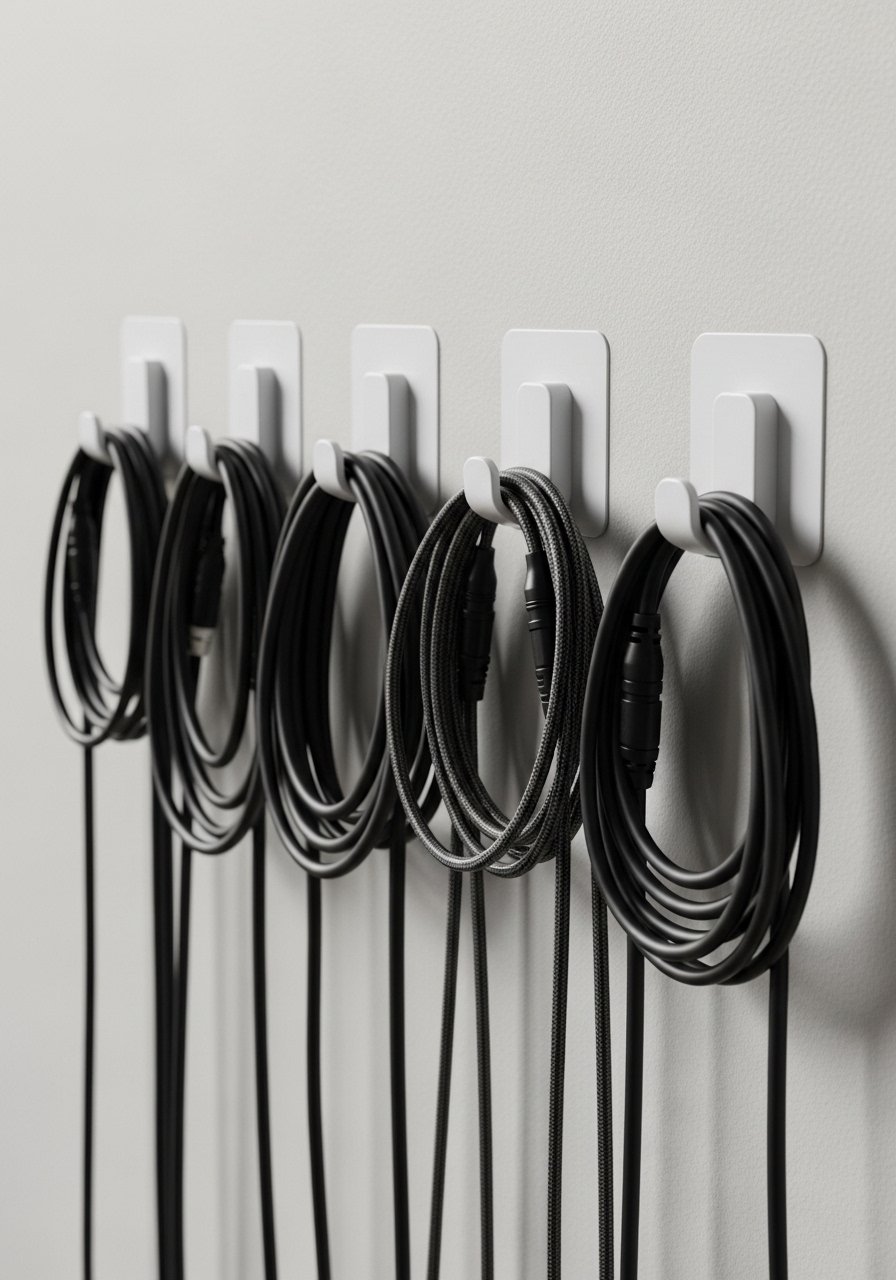
Every desk looks better with tidy cables. Adhesive cable clips and a couple of pegboard hooks clear the desktop and keep things accessible. I line clips 6 inches apart along the cable run and label each loop with masking tape. A starter kit like cable management clips and hooks costs under $30. People assume adhesive fails with heavier cables. Use three clips for long runs and a screw hook where the cable meets the pedal board. For pet owners, add braided sleeving to the low runs so curious mouths do not find a snack.
Low-Profile Synth Mounts On The Wall
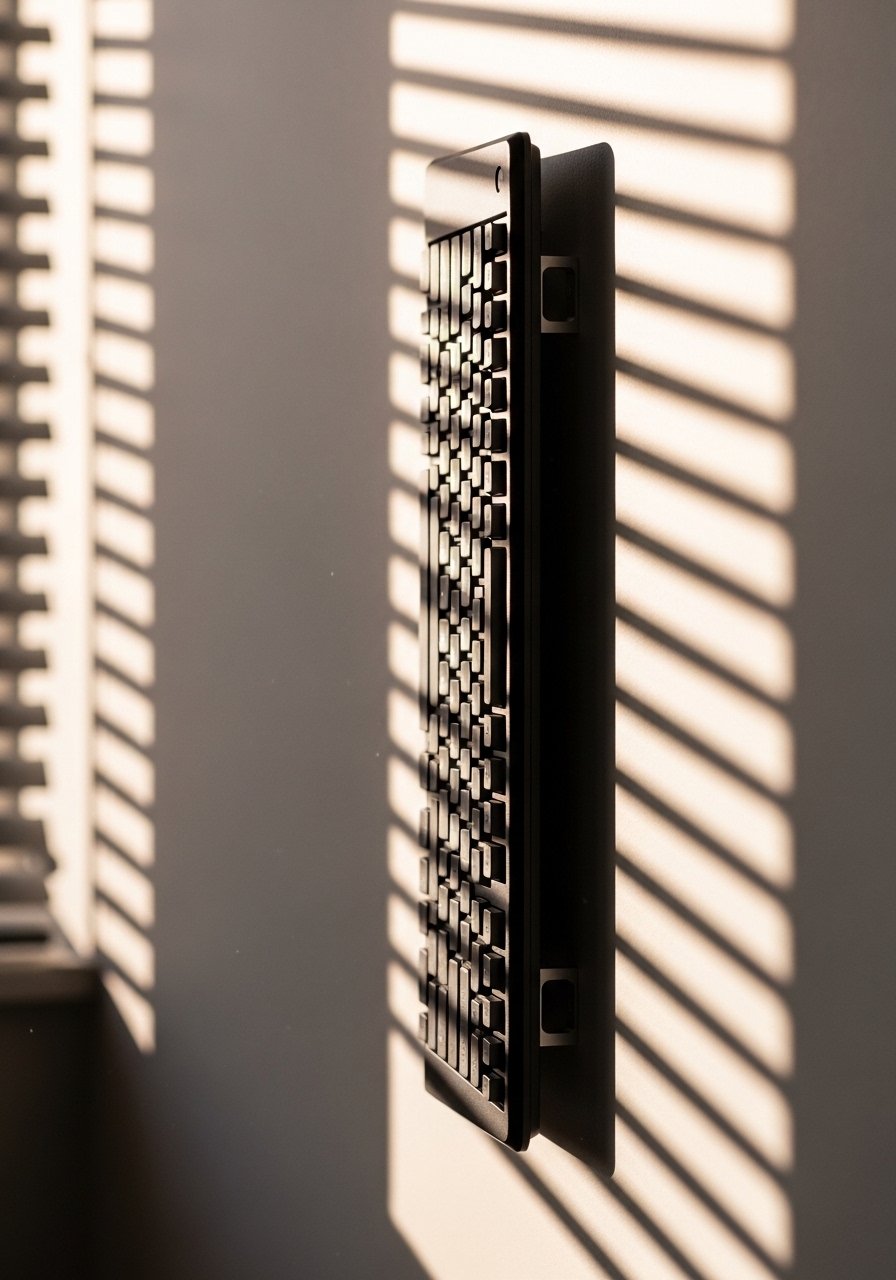
When desk space was gone I mounted my MIDI controller at hip height and played standing. Low-profile keyboard brackets cost about $50 to $150 and keep the keys at eye level while freeing the desk. Mount the bracket 35 to 38 inches off the floor for average standing comfort. Wall keyboard brackets are sturdy if you hit a stud. The mistake is mounting too high. If your wrist angle is odd you will regret it after an hour. This also helps in rooms shared with a bed because the floor stays clear.
Rug Anchor For Defined Workspace
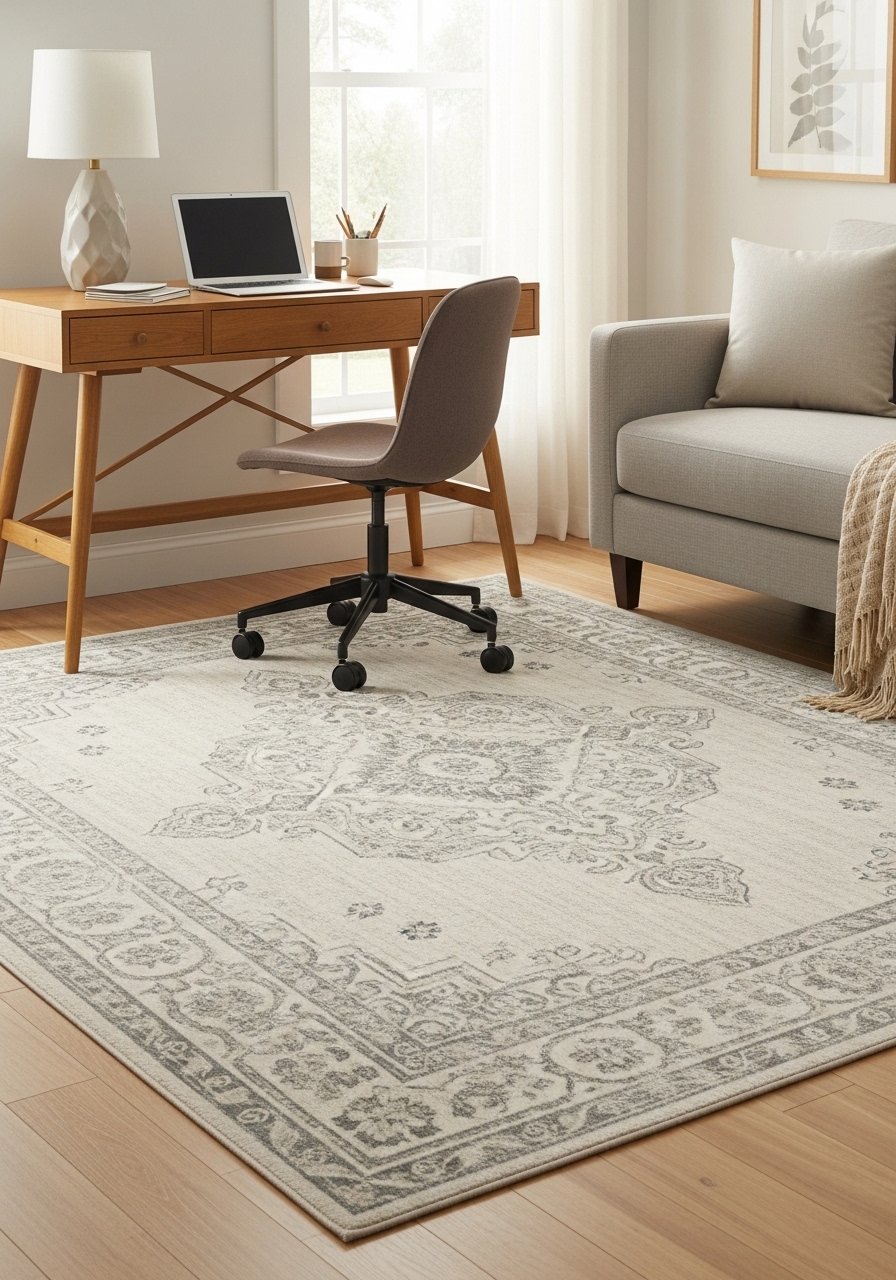
I finally stopped moving my chair to find quiet by anchoring the area with a rug. Bigger rugs make a room feel intentional. For a standard studio nook, an 8×10 rug where the front legs of furniture sit on the rug reads as one space. A textured 8×10 rug runs $120 to $350. People buy a too-small mat and then the desk looks like it floats. A practical detail is to measure out the rug footprint with tape before buying so the chair clears without catching the edge.
Clamp Lamps And Directional Task Lighting
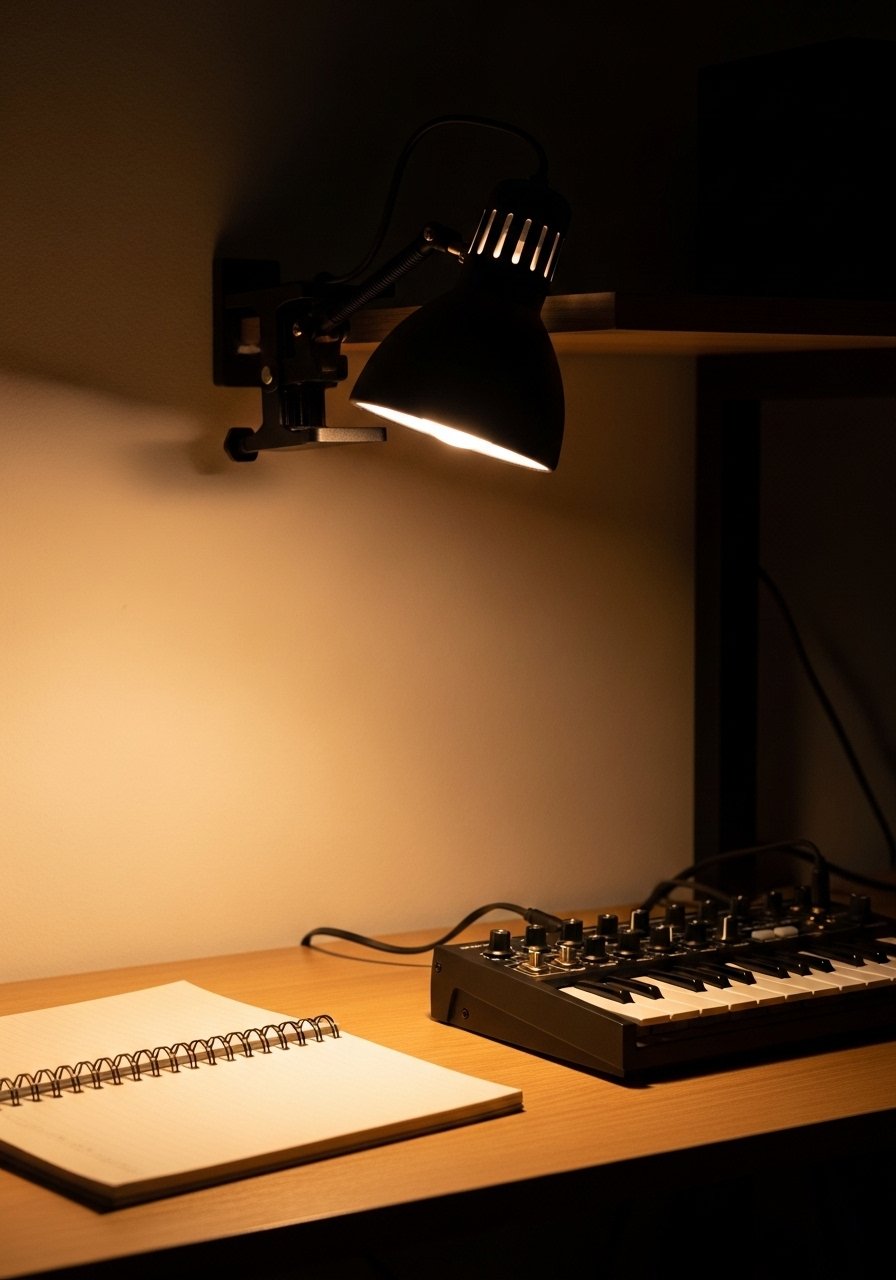
Task lighting changed how long I could work without eye strain. A clamp lamp that angles and dims gives you readable light without lighting the whole room. Expect $25 to $80 for a good clamp lamp and a daylight bulb. I use an adjustable clamp lamp and position it 18 inches above the workspace. Common error is using a bulb that is too cool. Choose a 3000K bulb for less blue light during night sessions. This also fixes evening desk glare when paired with dimmable LED strips from earlier.
Pet-Proof Cable Sleeving And Mounts
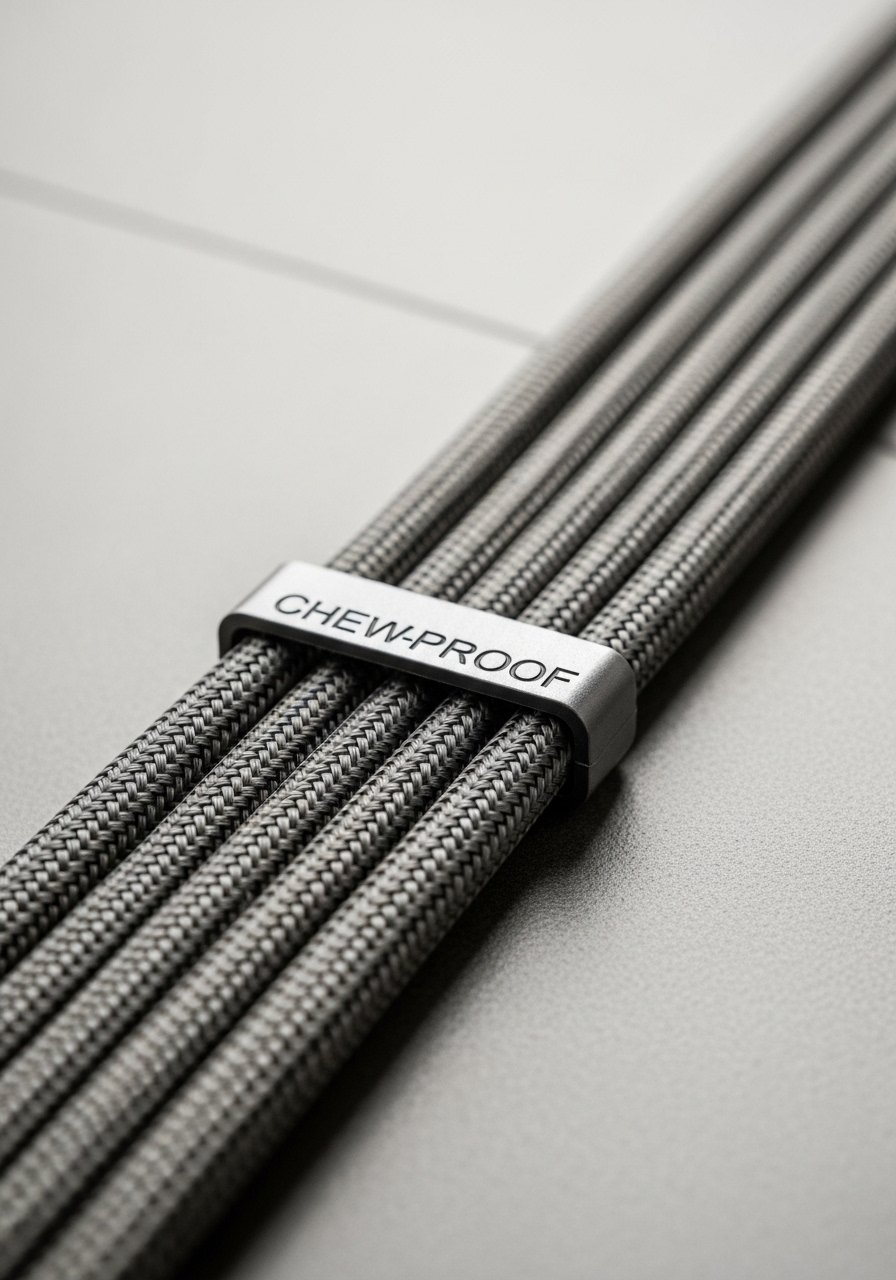
My cat thought instrument cables were chew toys until I sleeved them. Braided cable sleeving and chew-proof clamps protect your runs without ugly conduit. Use 3/8 to 1/2 inch sleeving for common instrument and power cords and fasten every 18 inches in pet zones. Braided cable sleeving is inexpensive at under $25. A mistake is hiding a long run behind the couch where pets can still get at it. Route along baseboards or higher on the wall. This is one of the fresh angles most articles skip, and it matters if you share space with an animal.
Dust Covers And Quick-Rack Storage
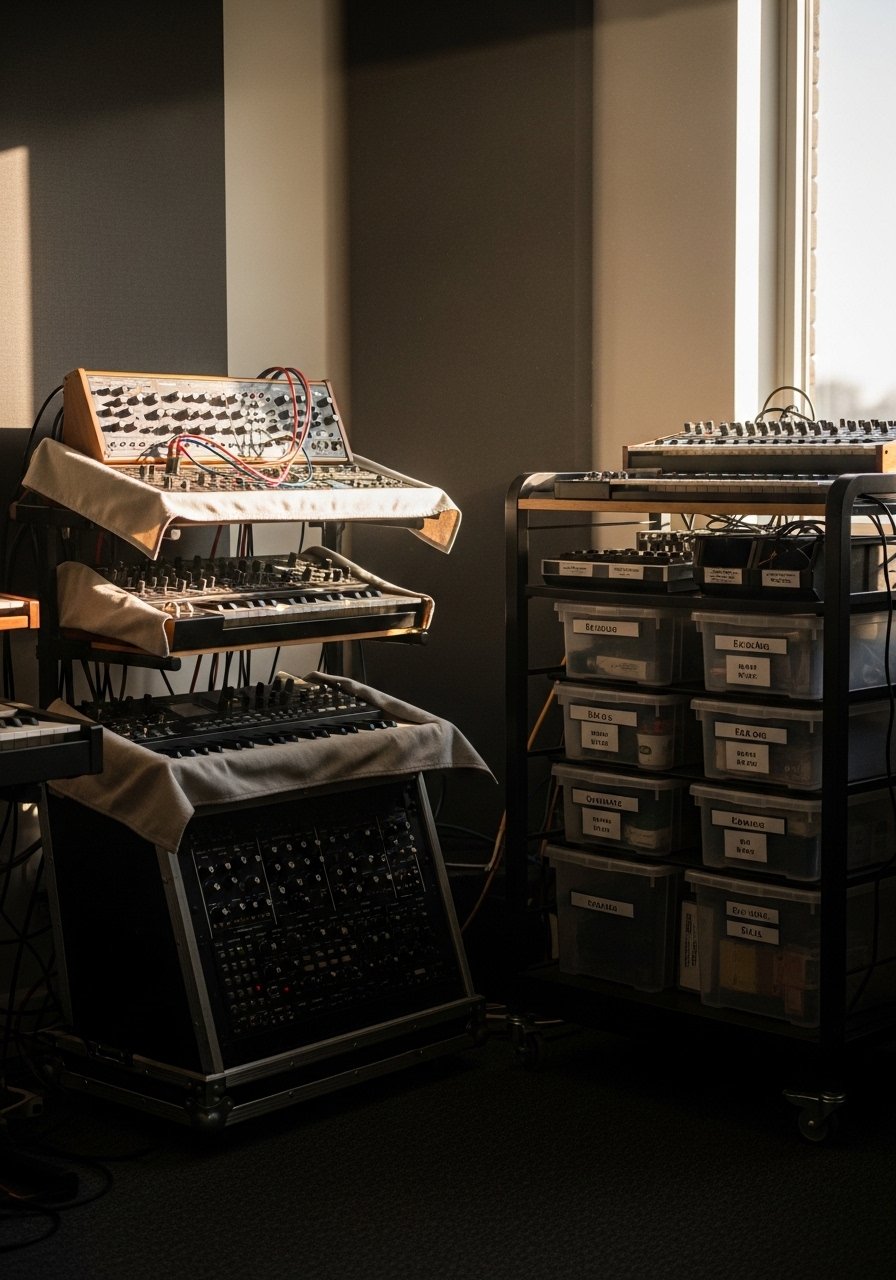
Week one of owning synths I learned dust shows up faster than you think. Cheap dust covers and a rolling rack keep gear ready and reduce maintenance. A set of stretch covers for synths and an under-desk rolling cart is about $40 to $120. Stretch dust covers save you from wiping sticky keys every month. People stack gear and then forget which cable goes where. Use labeled bins in the cart and keep one dust cloth in the top tray. This also helps if you need to clear the room fast for visitors.
Your Decor Shopping List
Textiles
- Honestly the best $40 I have spent. Chunky knit throw in cream, 50×60 inches. Drape over a futon or chair for instant texture.
- For the rug anchor, 8×10 textured area rug in jute or wool. Similar at Target or HomeGoods.
Wall Decor and Mounts
- Found these while looking for something else. Wall-mounted guitar hanger set (~$18-30) in black.
- Wall keyboard brackets, rated for 40-60 lb, pair with studs or heavy-duty anchors.
Lighting
- Color-change LED strip kit with dimmer, 16.4 ft.
- Adjustable clamp lamp with 3000K bulb recommendation.
Acoustics and Workspace
- Acoustic panels 12×12 in neutral gray.
- Ceiling acoustic panel for a small cloud over the mix spot.
Storage and Protection
- Under-desk sliding drawer for pedals and interfaces.
- Stretch dust cover for synth and braided cable sleeving for pet-proofing.
Shopping Tips
White oak beats dark wood in 2026. Design feeds shifted this year. White oak floating shelves look current and hide dust better than black finishes.
Grab velvet pillow covers for $12 each. Swap pillow covers seasonally and the room feels refreshed without a major spend.
Curtains should puddle or kiss the floor, never hang halfway up. 96-inch linen panels are the right call for 9-foot ceilings.
Found these while looking for something else. Heavy-duty Velcro strips make pedal placement a one-handed job and stop sliding in drawers.
Everyone buys five small succulents. One single 6-foot fiddle leaf fig has ten times the visual impact and hides a cable run.
Frequently Asked Questions
Q: How do I keep a bedroom studio looking professional when clients visit?
A: Swap the bed for a futon that folds flat and keep equipment off the floor. Use a sliding drawer for outboard gear and a couple of dust covers over synths. Pack away cables in labeled bins so you can clear the space in five minutes.
Q: Can I get decent mixes in a small square room?
A: Yes. Targeted treatment on the back wall and a ceiling cloud over the mix spot will tame room modes. About six in ten pick sound fixes before looks in tight spots. Move your listening position slightly off-center and set speakers symmetric to the room edges.
Q: What is the easiest renter-friendly acoustic hack?
A: Use adhesive-backed panels and a tension-rod ceiling cloud. Command hooks and fabric-wrapped panels work when you cannot drill. Keep treatments targeted so the room still sounds lively.
Q: How do I stop cables from getting chewed by pets?
A: Route low runs along baseboards and cover them in braided sleeving. Fasten every 18 inches with chew-proof clamps and raise splits onto hooks where possible. Braided sleeving hides chew marks and is cheap insurance.
Q: What size rug should I buy for a studio nook?
A: Bigger than you think. For a studio corner, an 8×10 rug anchors the desk and chair. Make sure the chair rolls or sits comfortably on the rug edge without catching.
Q: Is fake plant height worth it in a small studio?
A: Yes for impact and no-maintenance. A 6-foot artificial fiddle leaf fig adds vertical interest without light or watering. Pair it with a small real pothos for texture if you want some living green.