

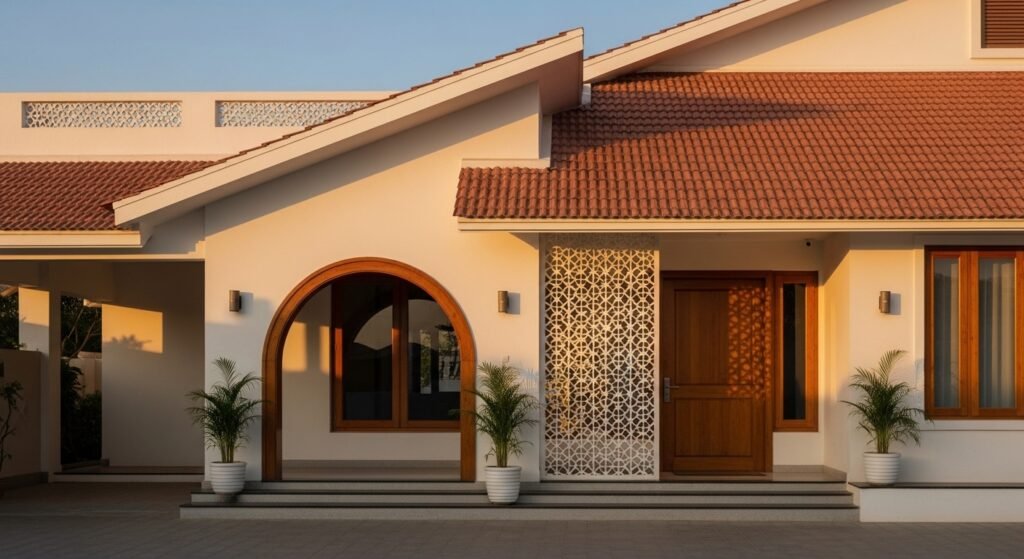
My entry used to feel like a pass-through, nothing to stop and enjoy. I finally raised the arch height to about nine feet and added a small jali panel beside the door. Suddenly people paused at the threshold. Little changes like where the eye goes and how much shadow a balcony casts make the whole front feel intentional.
These ideas lean modern-heritage with a few warm rustic touches. Most folks now pick monsoon-proof stuff first. People land around $1500 for a solid front refresh. These approaches work for single-floor homes, small plots, and larger two-storey facades.
Traditional Arched Entry with Jali Screens for a Warm Entryway

The arched entry gives height and drama without expanding the plot. Aim for an 8-10 foot arch to pull the eye up. I used a powder-coated jali panel and a teak-clad frame so the entrance read as crafted, not slapped-on. Budget here runs $500 to $2,000 depending on custom work. I linked a ready-made option I tested for a rental-friendly look. Powder-coated jali screen panels sit well against stucco. Common mistake is making the jali too low so it traps dust. Plan the panel height and access for cleaning. Pair this with the brick base idea later so the arch does not look like it's floating.
Modern Flat Facade with Frosted Glass Bands for Light
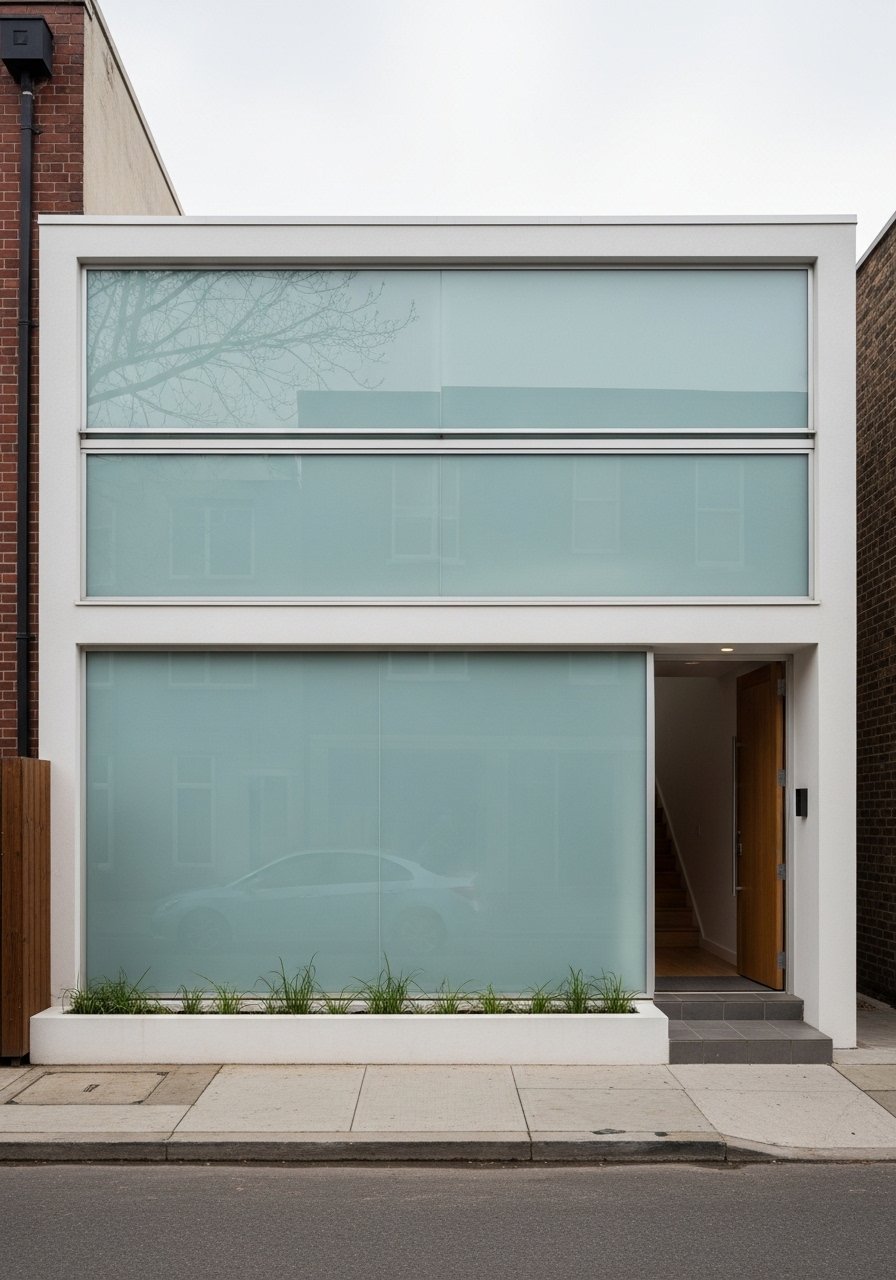
If your plot feels boxy, glass bands break the wall without stealing privacy. Keep glass to about 20-30 percent of the front wall. I swapped one full window for two horizontal frosted strips and the result was immediate light in the stairwell with no neighbor peeking. Budget sits around $1,000 to $3,000 for quality panes. For a renter-friendly hack try frosted adhesive film. I used frosted glass band film for a month while deciding on permanent glass. Mistake people make is using clear glass that faces west; that adds heat. Match the bands with a simple parapet cutout from idea eight to keep things cohesive.
Stucco Walls and Terracotta Roof for Monsoon-Friendly Charm

There is a reason stucco plus terracotta keeps showing up in photos. It resists humidity and hides small cracks better than plain plaster. I specified a 30-degree roof pitch with terracotta tiles and a two-foot overhang to stop splash-back during heavy rains. Most materials for this combo land in the $800 to $2,500 range. For colors, pick a warm white stucco with matte finish so the roof plays true. I also added treated wood fascia to hide the joint. Avoid painting terracotta bright red; a muted clay tone reads more expensive. A low-cost habit I loved was terracotta repair sealant for small chips after monsoon season.
Wrought-Iron Balcony on a Stone Base for Shadow Play
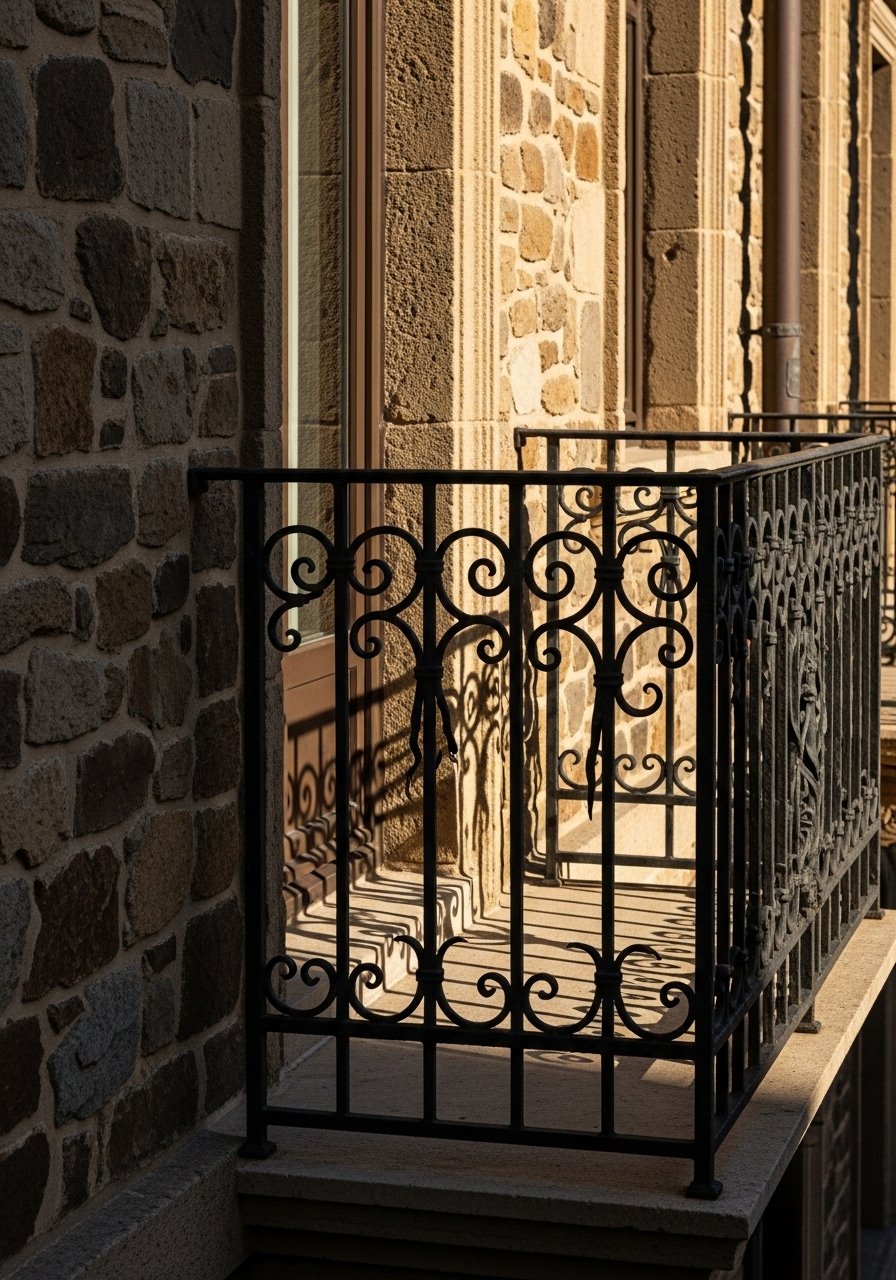
A slim balcony creates shadows that add depth on flat facades. Keep it about 3-4 feet wide so it reads as a feature, not a platform. I mixed a black wrought-iron rail with a stone base up to 4 feet high and it grounded the entire front. Budget typically $400 to $1,500 for custom balustrades and veneer. A frequent mistake is making the iron too shiny; matte finish lasts visually longer. If you rent, use removable brackets rather than welded plates. I linked a durable option I used for small planters. Matte wrought-iron balcony panel keeps the look without glossy glare.
Simplex Wooden Accents for a Scandinavian-Indian Fusion Look

Wood warms a modern front without costing a fortune if you limit it. I installed teak cladding strips just around the doorway and on one vertical band. The rule I followed was base materials up to 4 feet, lighter above, and only two to three materials total. Budget: $600 to $1,800 depending on wood treatment. I used adhesive-mounted slats where possible so it could be removed later. Big mistake is using untreated softwood; it stains and peels in monsoon climates. For an easy buy try teak-look adhesive cladding strips for a rental-friendly trial.
Brick Veneer Ground Floor with Plaster Above for Grounding
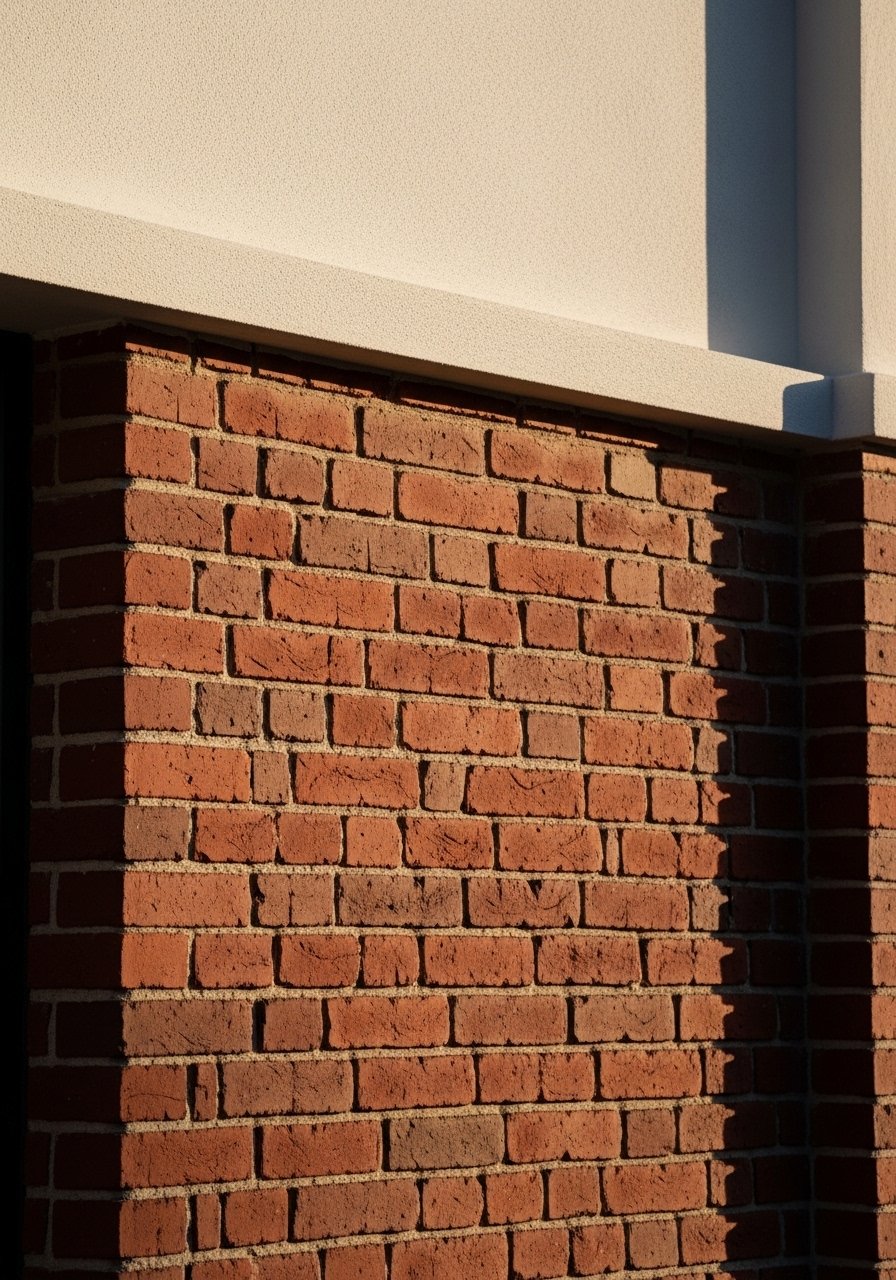
A brick base hides messy foundations and resists splash damage. I capped mine at four feet and kept plaster above to avoid the "full-brick" cost. Brick veneer costs about $700 to $2,200 for most facades. The visual trick is to run the brick horizontally and keep grout color consistent. People often overuse brick and lose contrast. Pair the brick base with wooden door accents so the materials speak to each other. I used red clay brick veneer panels for a DIY-friendly install on a small wall.
Parapet Wall with Geometric Cutouts for Minimal Movement
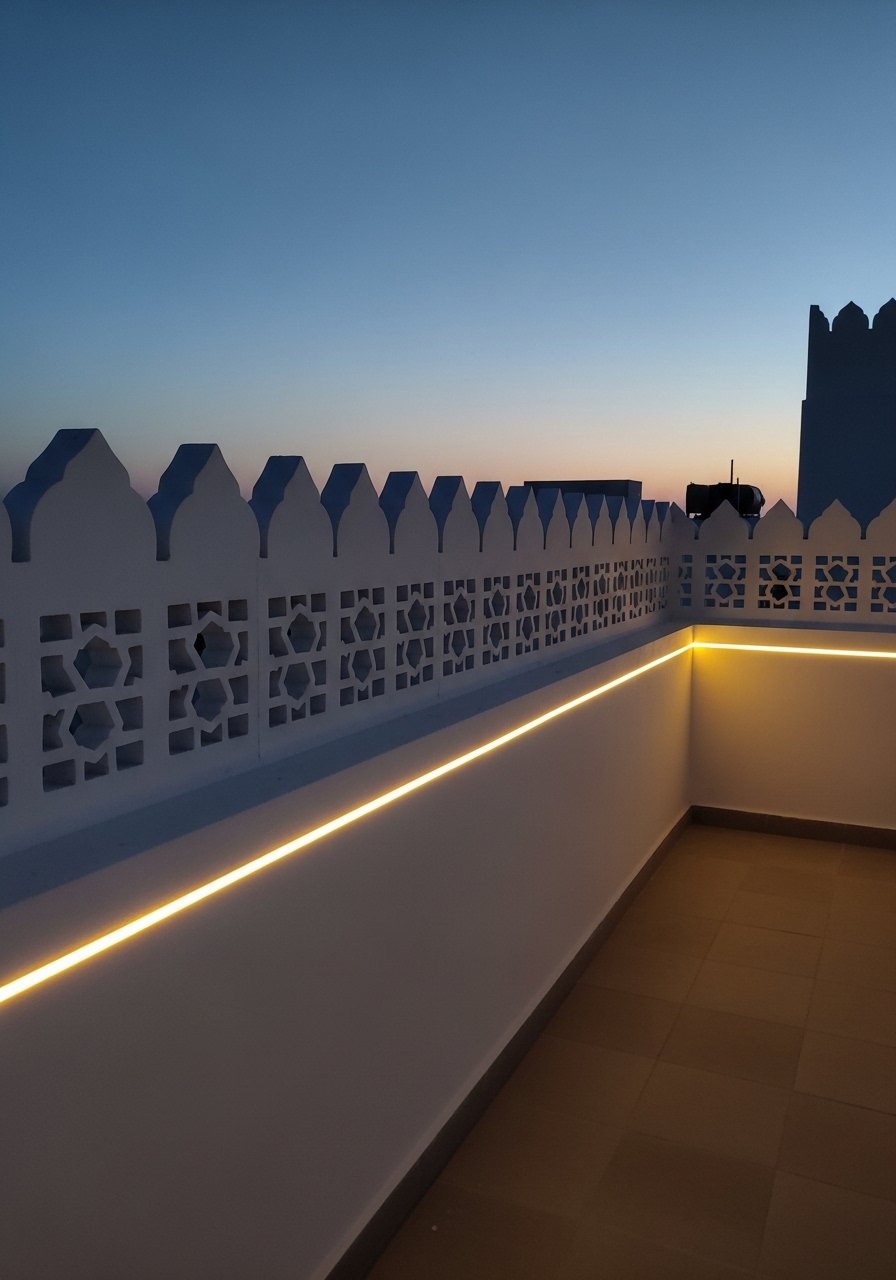
Cutouts in the parapet add motion without cluttering the facade. Precast panels make this affordable and consistent. I used panels with repeating geometric patterns and kept the parapet height in a 1:1 ratio to the upper windows so it did not overpower the facade. Budget is $300 to $1,000 for precast options. Avoid overly intricate patterns if you have kids or pets because they can trap debris. A renter-friendly swap is to paint a simple stencil over an existing parapet. For a night effect add LED edge light strips like warm white LED linear strips.
Mixed Material Facade: Stone, Glass, Metal for Layered Depth
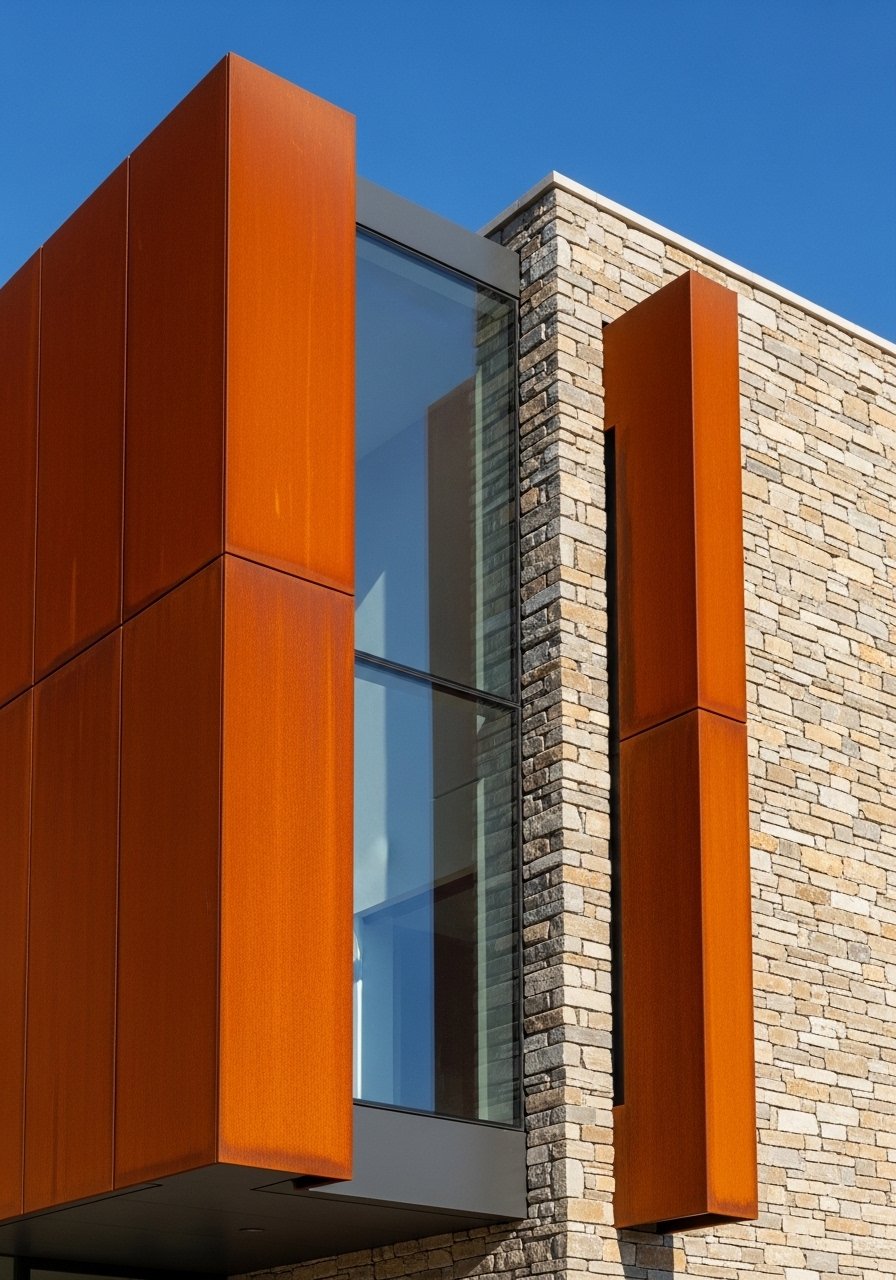
Layering stone, glass, and a warm metal like Corten gives a luxe look on tight budgets. I framed a narrow vertical glass strip with Corten panels and used local stone at eye level. Keep to two or three materials max to avoid chaos. Budget ranges widely, $1,200 to $4,000, depending on metal finish. The mistake is using shiny metal with warm stone. Choose weathered or matte metals to keep things cohesive. For a small-plot hack, use slimmer metal bands rather than full panels. Try corten-look metal sheets for accent trials before committing.
Sloped Roof with Overhang for Rain Protection and Character
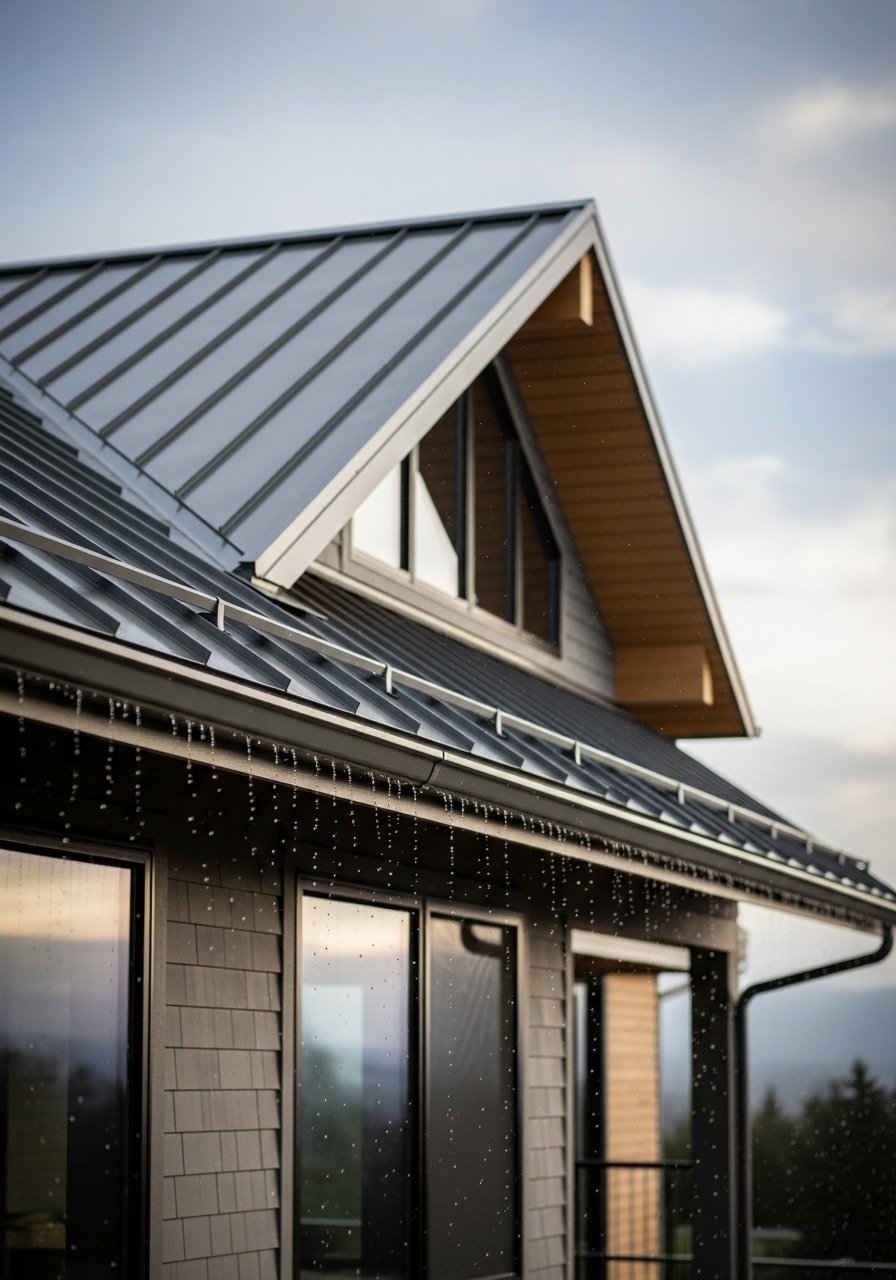
A sloped roof with a two-foot overhang actually keeps walls cleaner in monsoon climates. I swapped a flat lip for a pitched metal sheet and it cut maintenance needs instantly. Metal roofing in color-coated steel works well and sits in the $900 to $2,800 range. Keep the roof pitch around 30 degrees for both appearance and water runoff. Common error is tiny overhangs that don't stop splash-back. If you want the look without structural change, use a fixed awning above the door. I used color-coated metal roofing panels when testing finishes.
Jali Window Inserts on Plaster Walls for Filtered Light
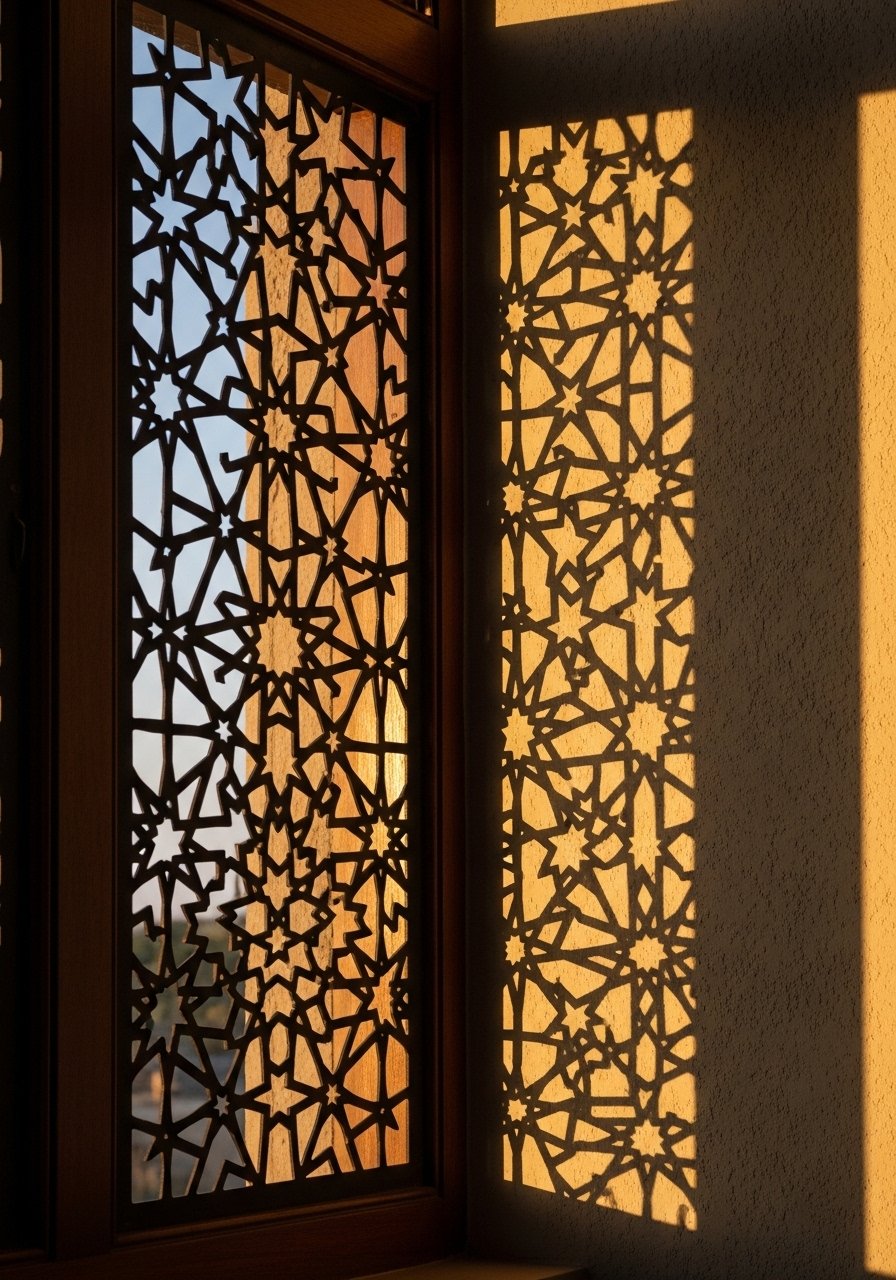
Jali inserts give filtered light like old havelis without blocking airflow. I installed laser-cut metal inserts for upper vents and left lower windows clear. They are budget-friendly at $200 to $800 for modest sizes. The maintenance snag is dust; jali needs occasional brushing so include access in the design. A good detail is to place the jali where it catches morning sun, not west glare. For renters, a framed removable insert works. I linked a thin metal insert I used for a small ventilator. Laser-cut jali window insert fit the small opening perfectly.
Vertical Garden Facade Strips for Biophilic Coolth

Green strips soften hard exteriors and lower wall temperatures. I used modular planters on a narrow vertical band so maintenance stayed manageable. Use plants that suit your microclimate and install a simple drip system. Budget usually $500 to $1,500 depending on planters and irrigation. A rookie mistake is dense plantings that hide the facade and add moisture. Keep 20-30 percent of the wall visible so materials still read. For renters there are removable hook systems and vertical garden planter kits that hang without drilling.
Your Decor Shopping List
Textiles
- Honestly the best $35 I have spent. Chunky knit throw in cream (~36 x 48 inches) to soften an entry bench
- 22-inch linen pillow covers, down-filled in muted terracotta and sand for porch seating
Wall Decor and Screens
- For jali trials try powder-coated jali screen panels (mild steel, 24 x 48 inches)
- Laser-cut jali window insert for upper vents, painted matte black
Lighting
- Warm white LED linear strips for parapet edges, weatherproof rating IP65
Plants and Planters
- Vertical garden planter kits with built-in drainage for narrow vertical installations
Budget Finds
- Frosted glass band film for trial runs before cutting real glass
- Teak-look adhesive cladding strips for renter-friendly wood accents
For items like bricks, Corten, or full roof panels visit local suppliers; similar at HomeGoods or local hardware stores.
Shopping Tips
White oak beats dark wood in 2026. Design feeds have shifted completely. These white oak floating shelves look current, not dated.
Grab frosted glass band film for $20. Use it for a month to test light before spending on real glass.
Curtains for nearby windows should kiss the floor, not hang halfway up. Linen curtain panels 96-inch are right for standard 9-foot ceilings.
If you need height without rebuilding, go for vertical stripes or a tall arch. Teak-look adhesive cladding strips can simulate taller wood bands.
One large plant beats five small ones for visual impact. Try an artificial fiddle leaf fig 6-foot in a dim corner if light is an issue.
Frequently Asked Questions
Q: Can I get the jali look without permanent work?
A: Yes. Use powder-coated framed panels or adhesive-mounted jali, which you can remove when you move. Powder-coated jali screen panels are a good semi-permanent test.
Q: What protects a facade best in heavy monsoon areas?
A: Sloped roofs with at least a two-foot overhang and a brick or stone base up to four feet. Most folks now pick monsoon-proof stuff first, so start there. Use color-coated metal roofing or terracotta tiles and plan regular gutter cleaning.
Q: My plot is tiny. How do I avoid a boxy boring look?
A: Add vertical elements like an 8-10 foot arch or narrow glass bands that take up 20-30 percent of the front wall. A slim wrought-iron balcony three feet wide also helps by casting depth.
Q: Will wood accents need a lot of maintenance?
A: Treated hardwood in stripes works well because it is limited to a small area. Avoid untreated softwood near splash zones. If you rent, try adhesive slats first.
Q: How do I keep jali panels from getting filthy?
A: Place them higher where dust settles less and plan for removable access. A handheld brush or pressure rinse on a low setting twice a year usually keeps patterns crisp.
Q: Can I mix modern glass bands with traditional jali without it looking messy?
A: Yes, when you keep it to two or three materials and use consistent colors. Glass for light and jali for texture pair naturally. Six in ten go modern these days, so a balanced mix reads contemporary not confused.