

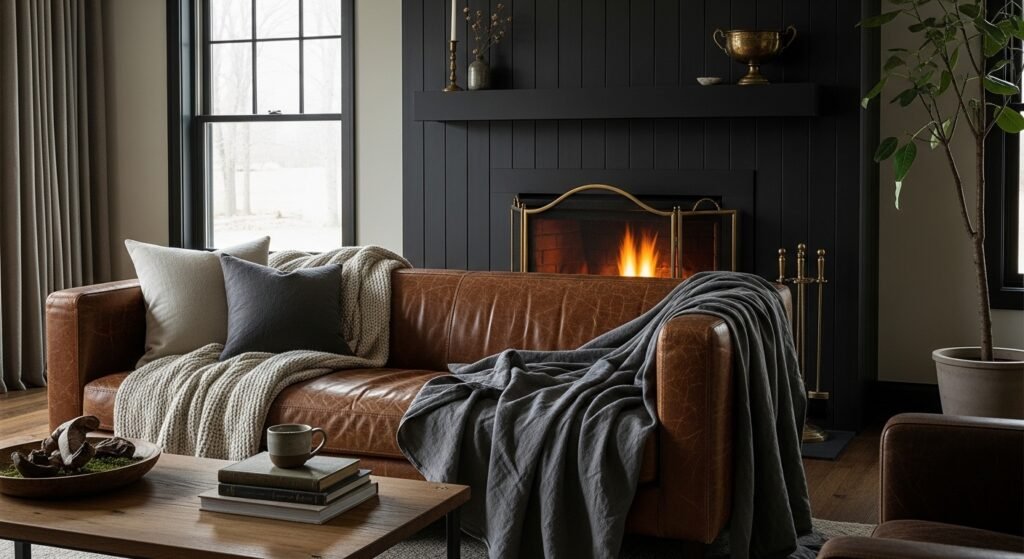
My living room had nice furniture but it still felt like a waiting room. Took me embarrassingly long to figure out it was missing height and enough texture. I moved one lamp, added a heavy throw, and three small changes later the space finally stopped feeling polite and started feeling like a place people actually sit down in.
These ideas lean moody farmhouse with a lived-in edge. Most swaps are under $50, with a few pieces around $100-150, and they work for living rooms, dens, and bigger seating nooks. If you rent, many tips use peel-off samples or plug-and-play pieces so nothing permanent is required.
Layered Textures For A Cozy Moody Farmhouse Living Room
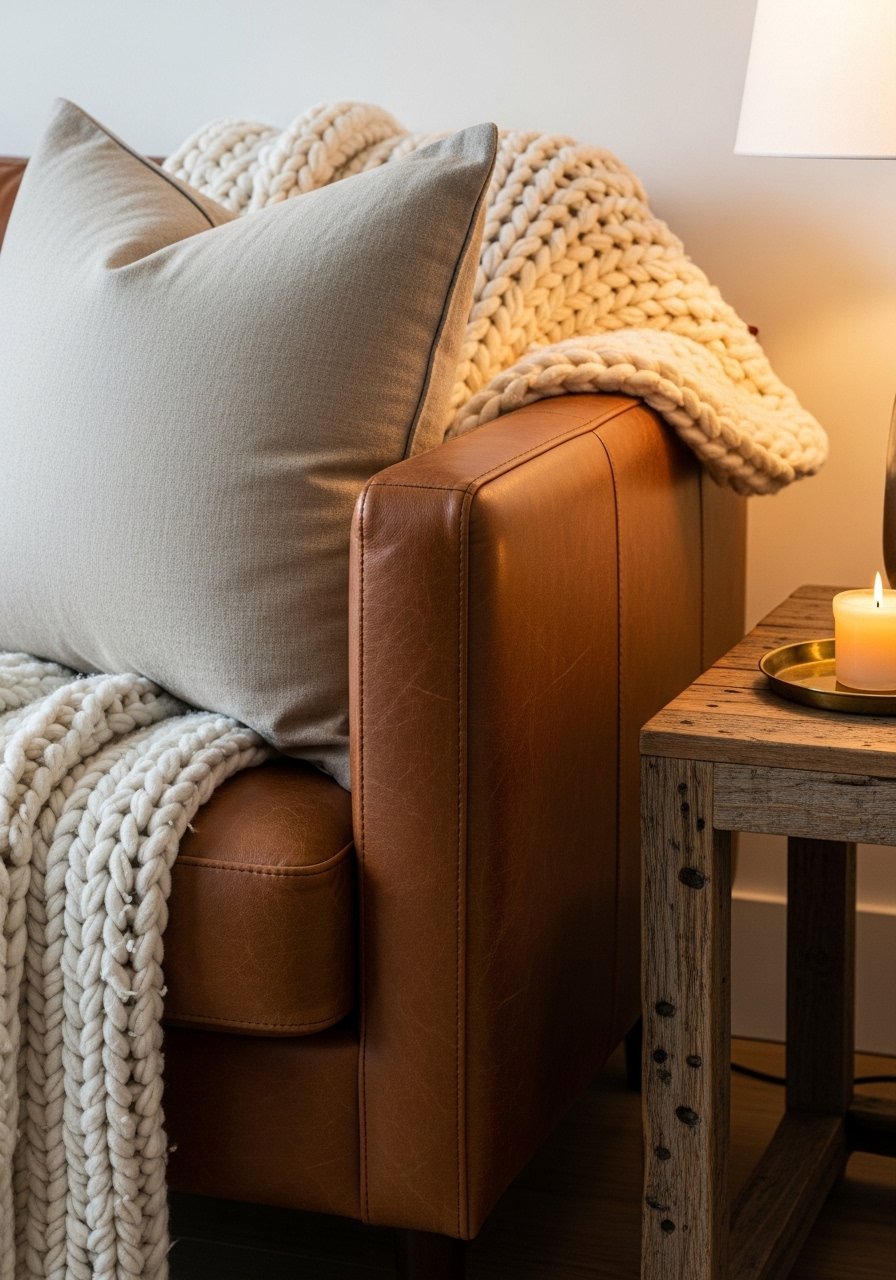
The moment I draped a chunky knit throw over the sofa arm, the room stopped looking flat. Layer three textures within a seating group, for example leather, linen, and wool, and keep the tonal range narrow so the contrast reads moody, not busy. Aim for a 60/30/10 texture ratio where the main upholstery is 60 percent of the feel, a secondary textile like a rug or large pillows is 30 percent, and an accent throw or small pillow is 10 percent. A 22-inch down-filled linen pillow cover is perfect for the 30 percent layer. Avoid matching every cushion, which makes the space look staged. I like this chunky knit throw blanket tossed over the arm for instant softness.
Dark Shiplap Accent Wall With Warm Brass
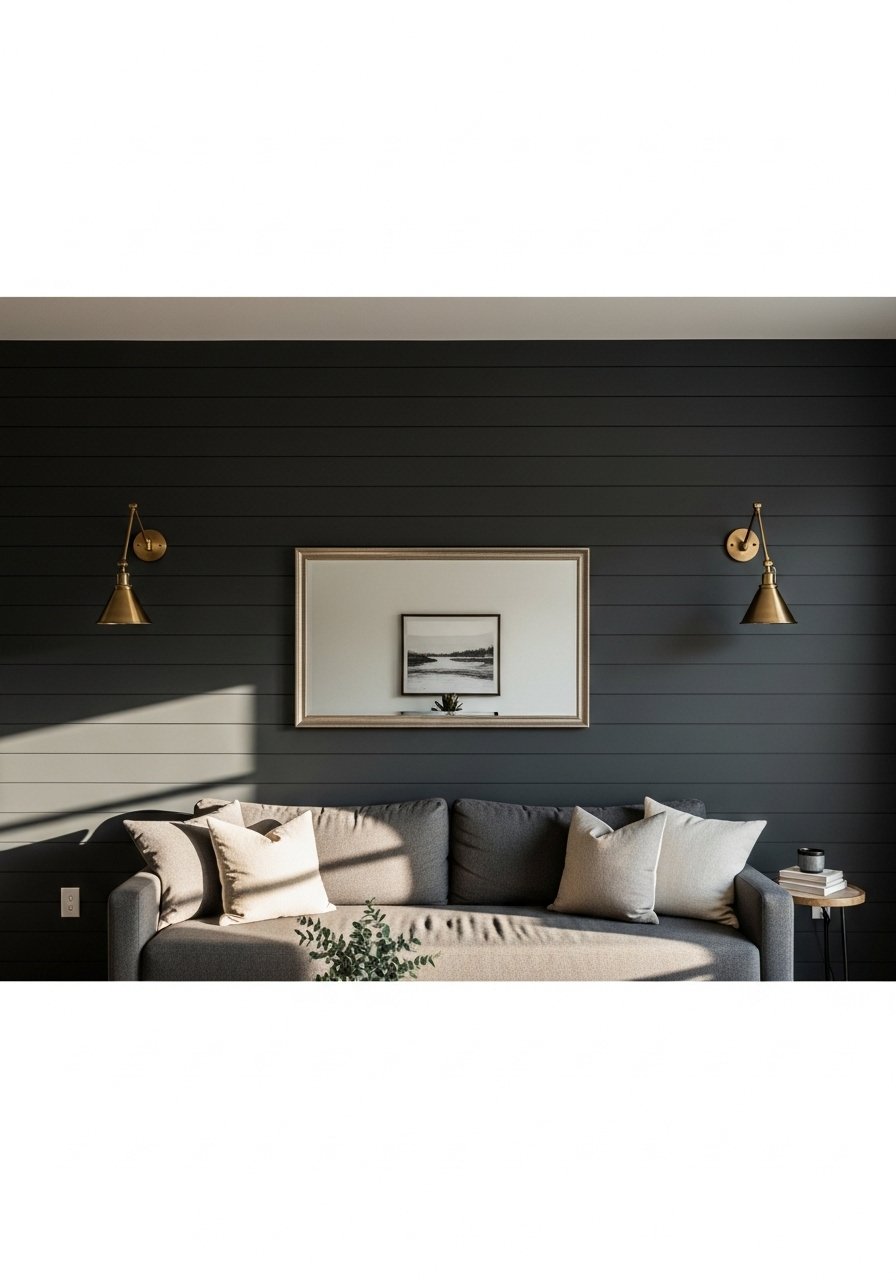
A single dark shiplap wall gives a moody farmhouse anchor without painting the whole room. Paint the wall two shades darker than your sofa for depth, and add warm brass sconces to keep the overall tone inviting. Lighting trips up 70% of first tries. Test the wall under your lamps and natural light for 48 hours before you finish. One mistake is painting trim the same dark hue as the wall, which kills contrast. Instead, keep trim a warm off-white and let brass hardware pop. For renters, use peel-and-stick shiplap planks or a temporary wallpaper panel. I used these brass wall sconces for a lived-in look.
Chunky Throws And Oversized Pillows For Reading Nooks
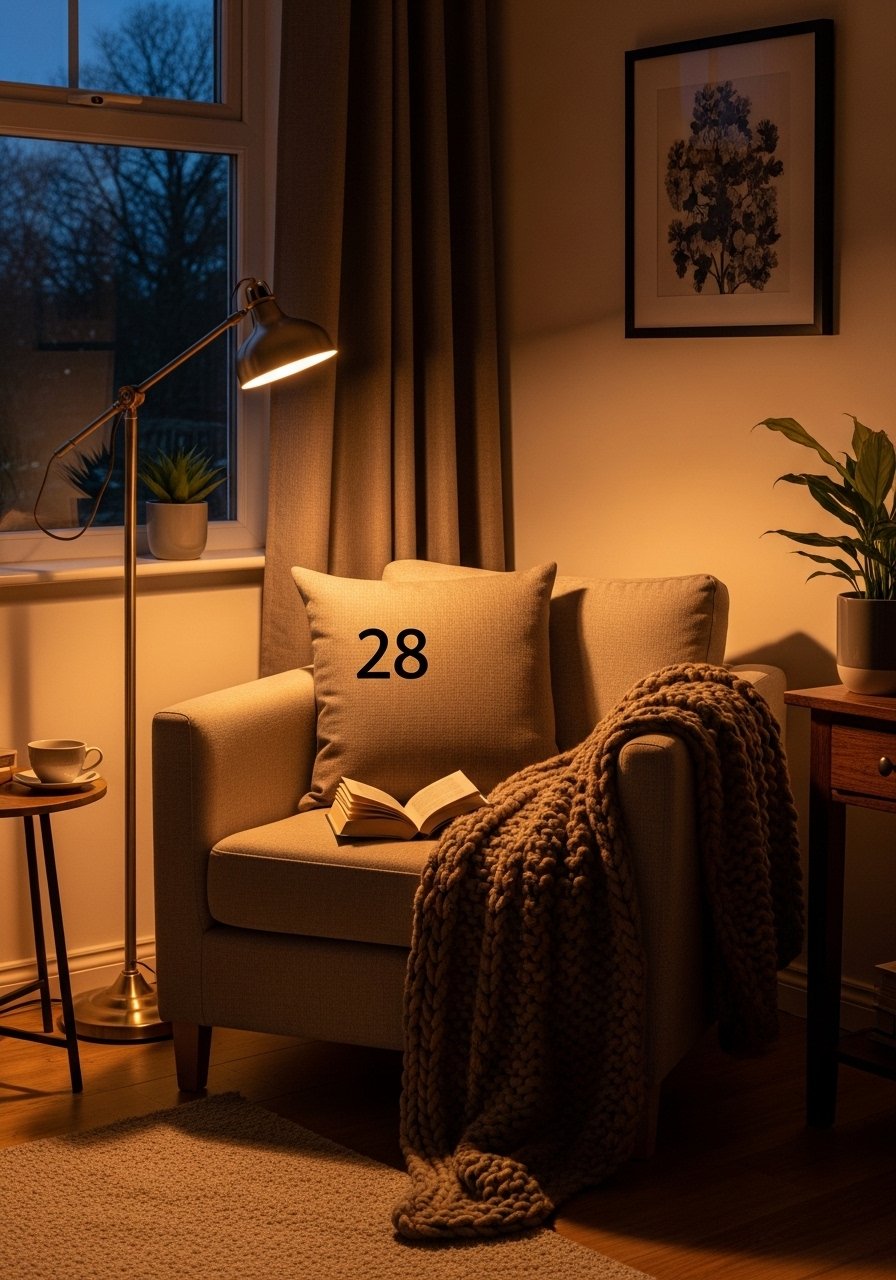
There is something about a reading nook with layered pillows that makes you cancel plans. Use a 28-inch pillow as the back, a 20-inch for support, and a lumbar pillow in front to create a stack that looks effortless. The common mistake is buying too many small pillows that scatter the eye. Keep the palette moody, like charcoal, deep olive, and cream. I swapped a $400 table for a $35 throw and three candles once. This 28-inch linen pillow cover is an easy way to bulk up a chair.
Low Light Layering With Table Lamps And Candles
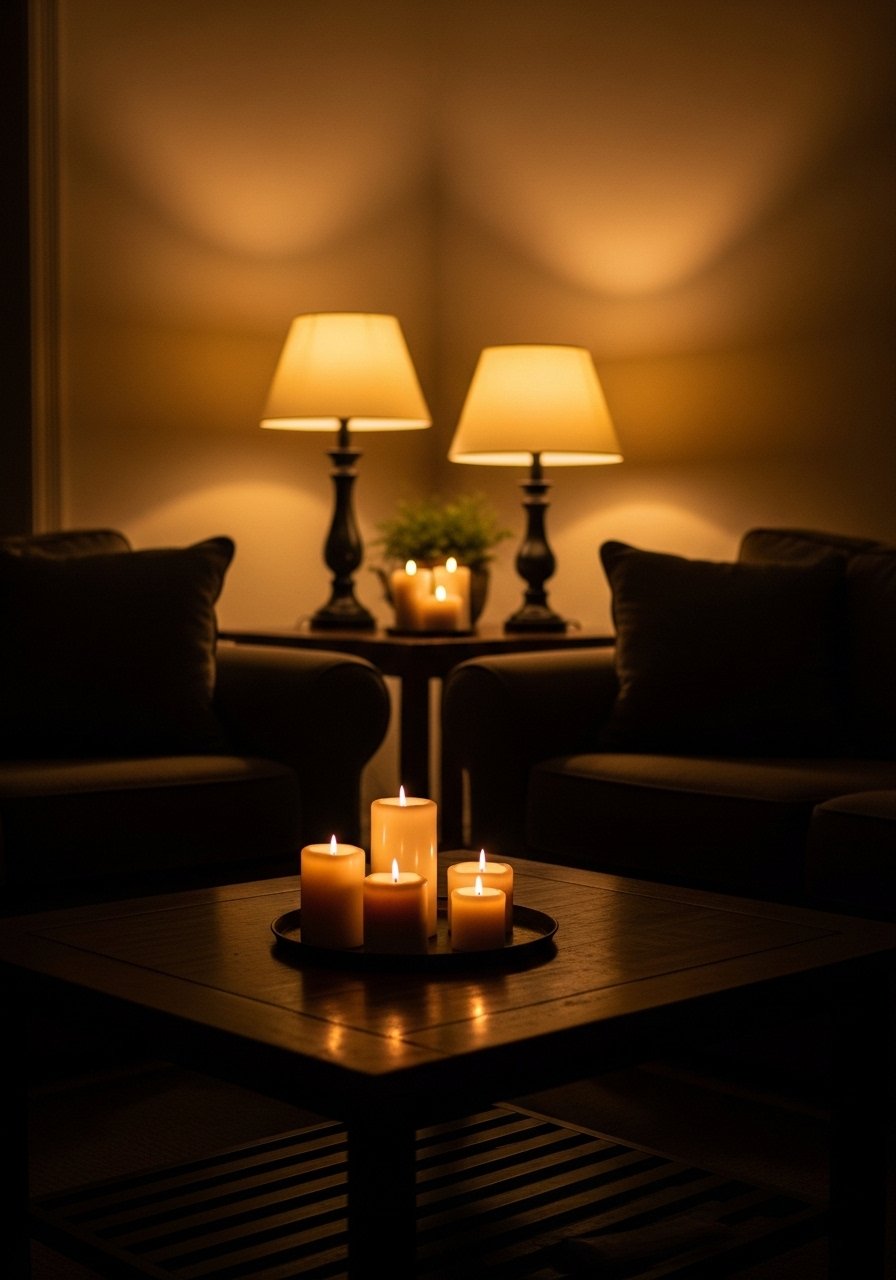
Most stores light rooms in ways that make fixtures lie about the final effect. Layer at least three light sources in a living room, such as two table lamps, a floor lamp, and candlelight. Put one lamp lower and one higher to avoid everything being the same height. A mistake I made once was using only overhead light, which left the corners dead. Swap harsh bulbs for 2700K warm LED bulbs and use dimmers where possible. For quick drama, group three pillar candles on a brass tray. Try these warm LED bulbs to see how bulbs change tone.
Mixed Metals And Buttery Leather For A Lived-In Feel
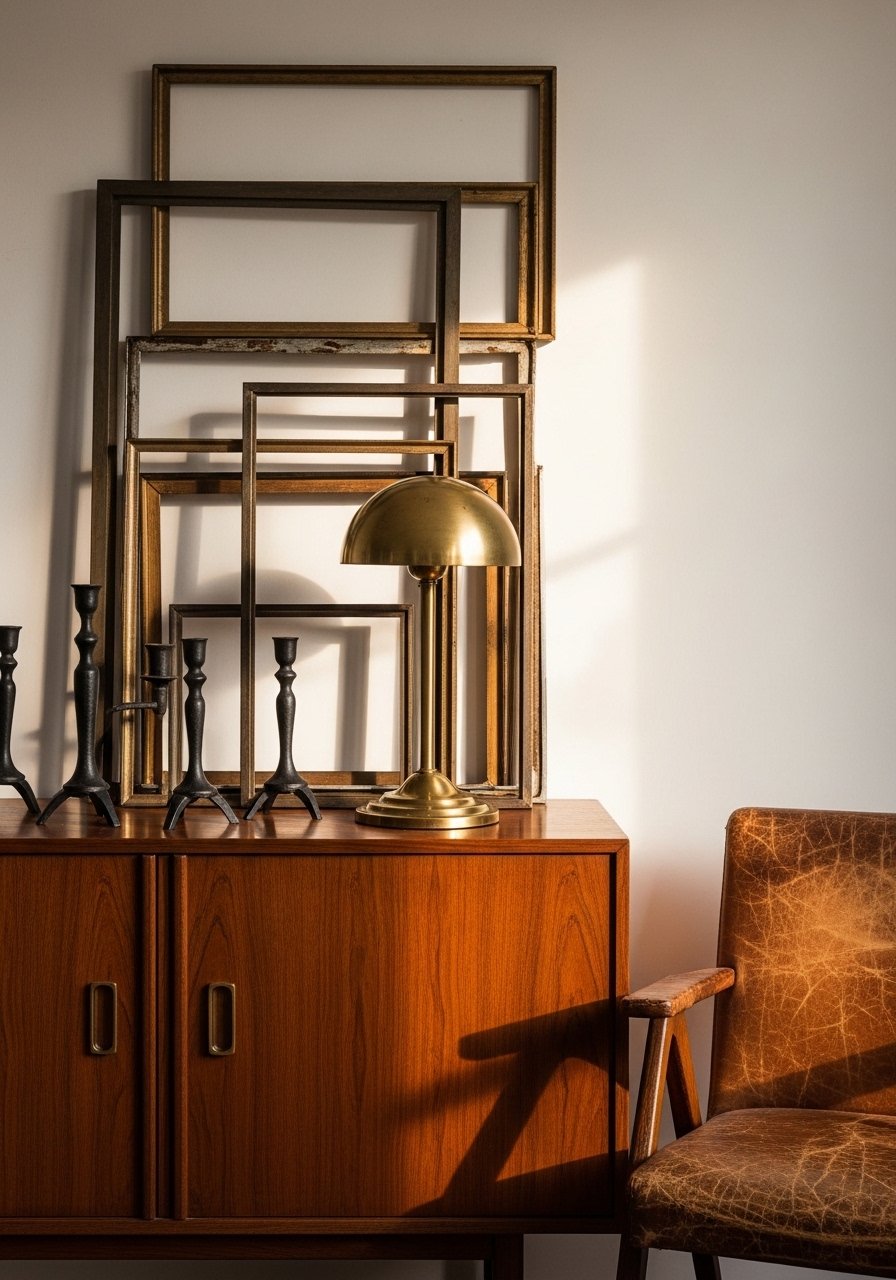
Mixing metals makes a room look assembled over time, not bought in one go. Use brass on lighting, matte black on frames, and nickel or pewter on small hardware. A mistake people make is trying to match every metal. Instead, balance warm and cool metals across three points in the room so the eye travels. Leather adds warmth; a cognac leather chair anchors a moody palette without competing. For a plug-and-play approach, these mixed metal picture frames let you layer art without more nail holes.
Oversized Mirror To Brighten Dark Corners
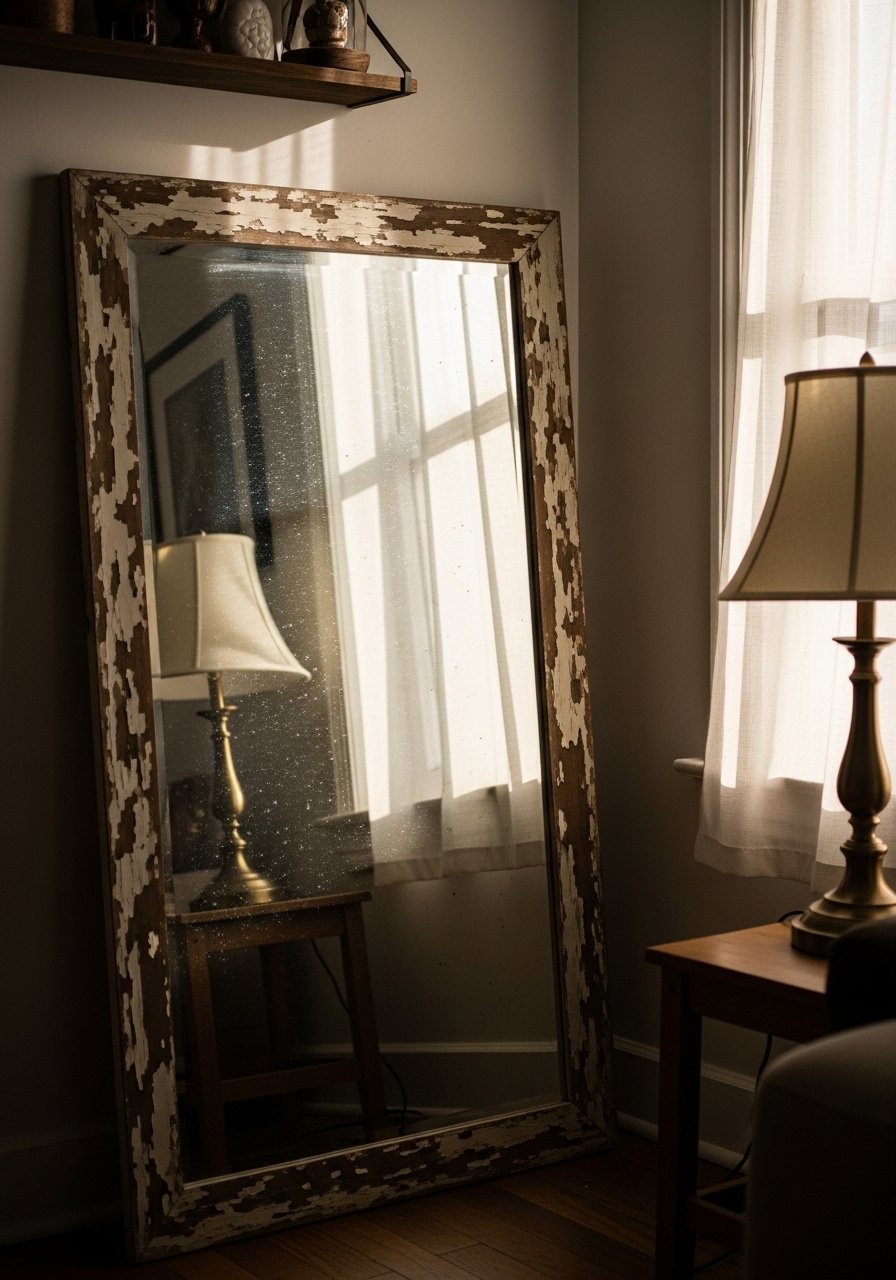
An oversized mirror bounces light and makes a moody room feel intentional, not cramped. Lean a 36×48-inch mirror in a corner instead of hanging it to avoid stud hunting. The mirror should reflect a light source, like a lamp or window, for the biggest effect. A common misstep is adding a mirror that only reflects a blank wall. Use a distressed wood frame to keep the farmhouse edge. For renters, a leaning mirror avoids wall damage. I like this distressed leaning mirror for scale and warmth.
Rug Layering With Jute And Plush For Grounding
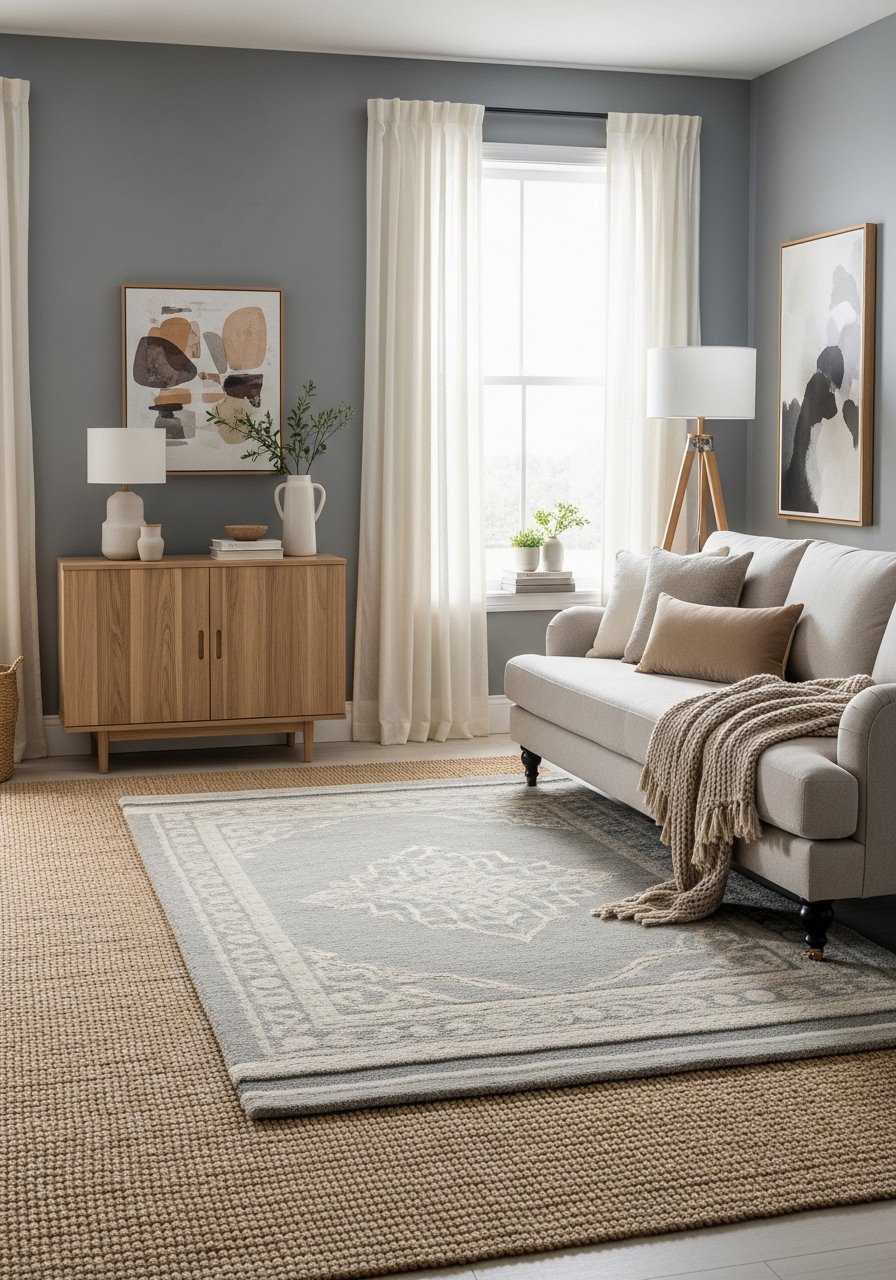
Rug layering stops a moody room from feeling heavy. Start with an 8×10 natural jute base and add a 6×9 plush rug centered under the seating. All front furniture legs should sit on the top rug to keep the group anchored. Avoid tiny rugs that make the furniture float. If your room is small, go with an 8×10 and push the sofa back so the rug reads larger. I tried thin runners for months and the space looked disjointed until I layered properly. This 8×10 jute rug works well under textured layers.
Gallery Wall In Black Frames Above The Mantel
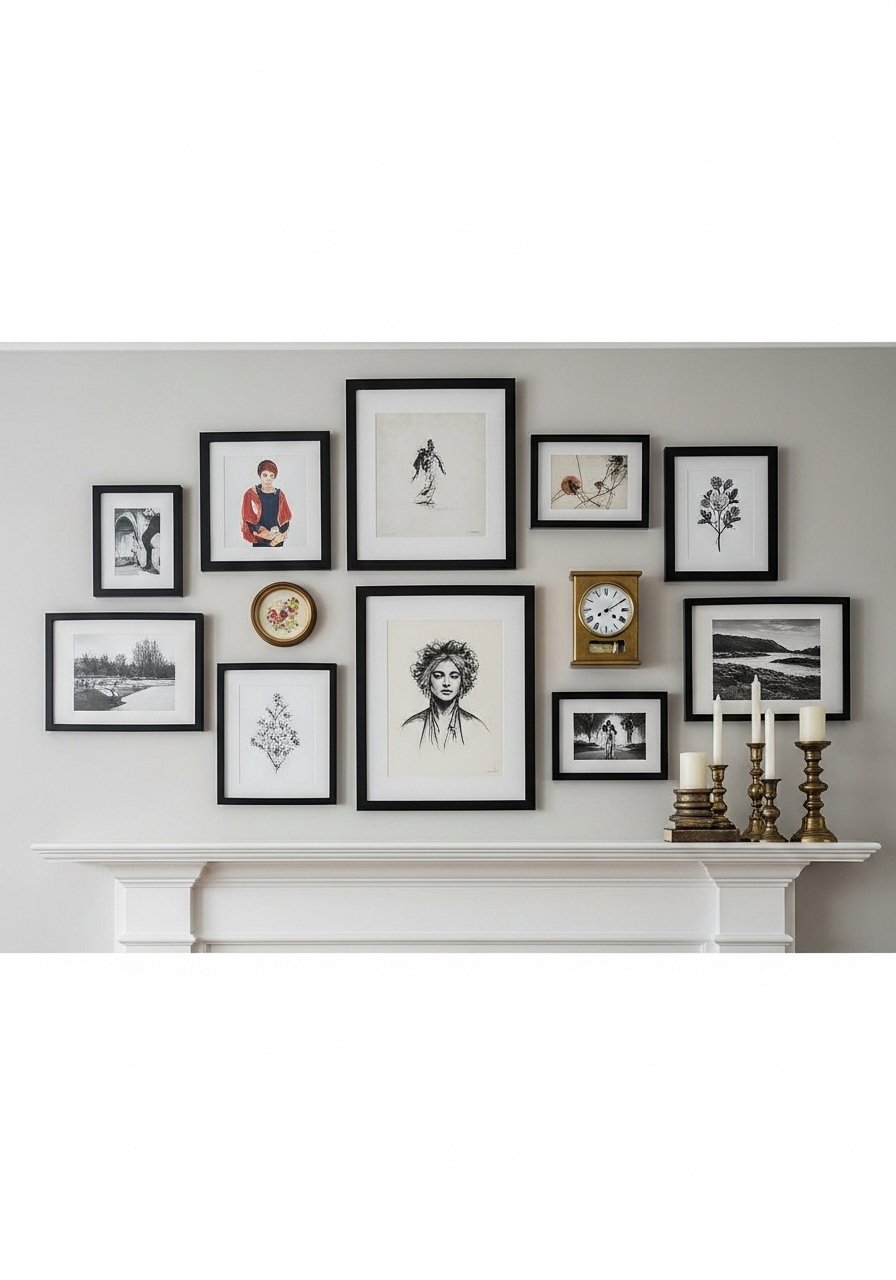
A mantel says rustic and moody with a casual gallery wall in uniform black frames. Choose frames in three sizes and arrange them on the floor first, then hang using two picture hooks for the larger pieces. One mistake is centering a single small frame above a big mantel, which makes the mantel look empty. Keep artwork spacing at 2 to 3 inches between frames so the collection reads as one unit. This trick pairs well with the mixed metals idea above. I swap pieces seasonally using these black gallery frames to keep the mantel fresh.
Floor To Ceiling Curtains To Add Height To Living Room
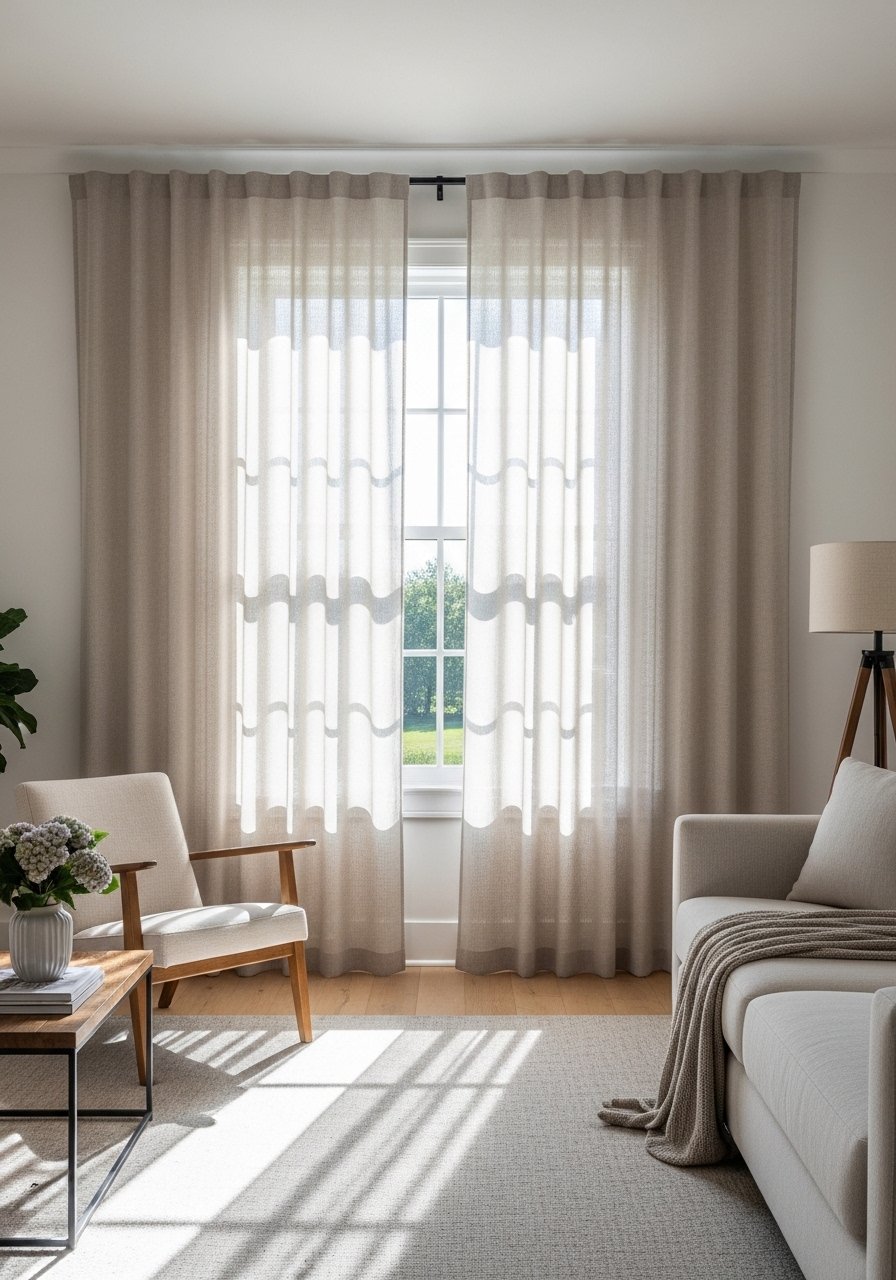
Most people hang curtains right at the window frame. That is why their rooms look shorter than they are. Hang panels 6 inches above the frame and extend them 6 to 8 inches past the sides to make windows read taller and wider. Use 96-inch linen panels for standard 9-foot ceilings and let them kiss or puddle the floor depending on your taste. A pitfall is choosing panels that are too narrow; multiply the window width by 2 to 2.5 for fullness. For renters, tension rods with clip rings work without holes. I bought these 96-inch linen curtain panels and the vertical lift was immediate.
Reclaimed Wood Shelves For Display And Storage
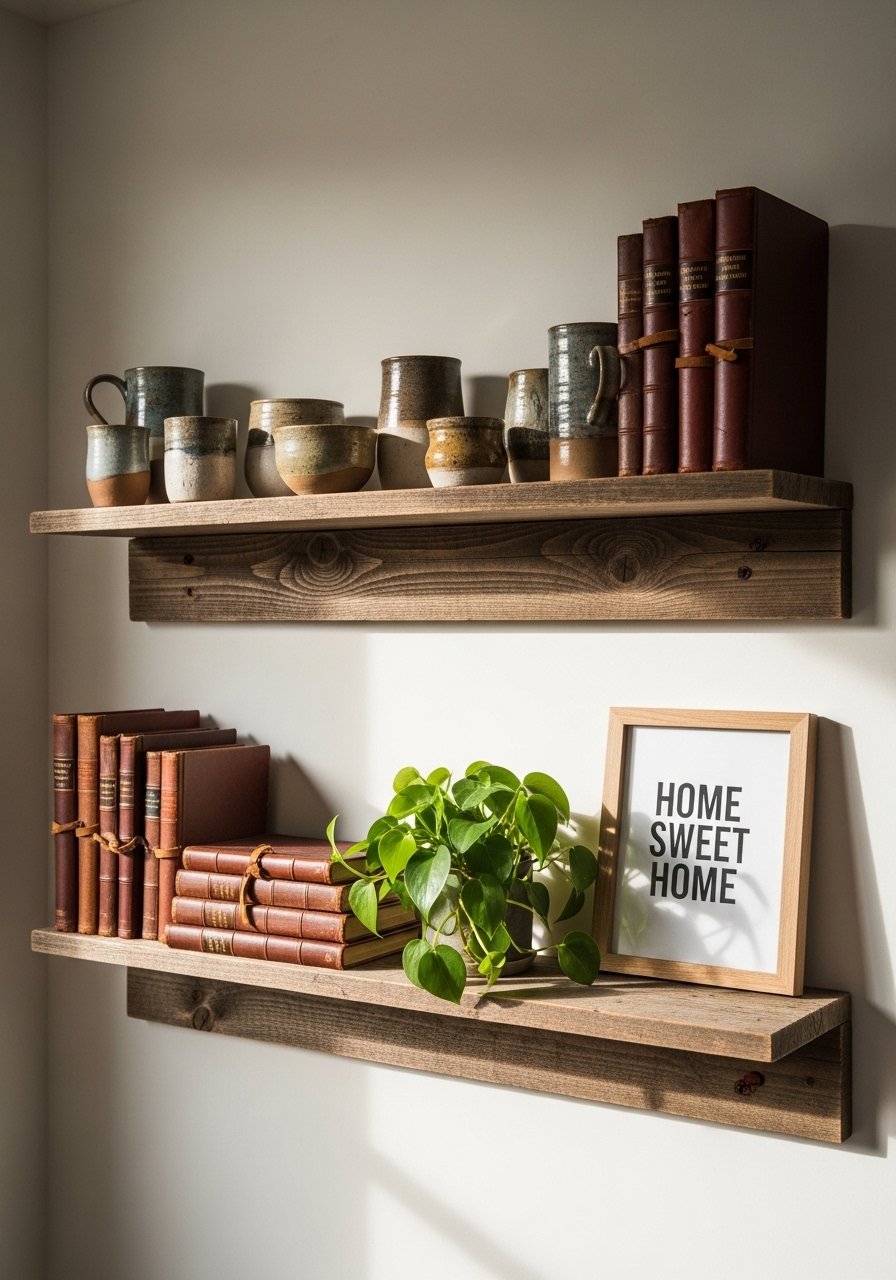
Reclaimed wood shelving brings texture and storage that looks collected. Use two floating shelves, the top one at eye level and the lower one 12 inches below, to create a display plane that reads balanced. Avoid overloading a single long shelf which sags and looks messy. Mix books, a small plant, and one sculptural object per shelf so the eye rests. These shelves pair nicely with the gallery wall and mixed metals ideas above. For a quick add, these reclaimed wood floating shelves add instant character.
Statement Plant For Height And Mood
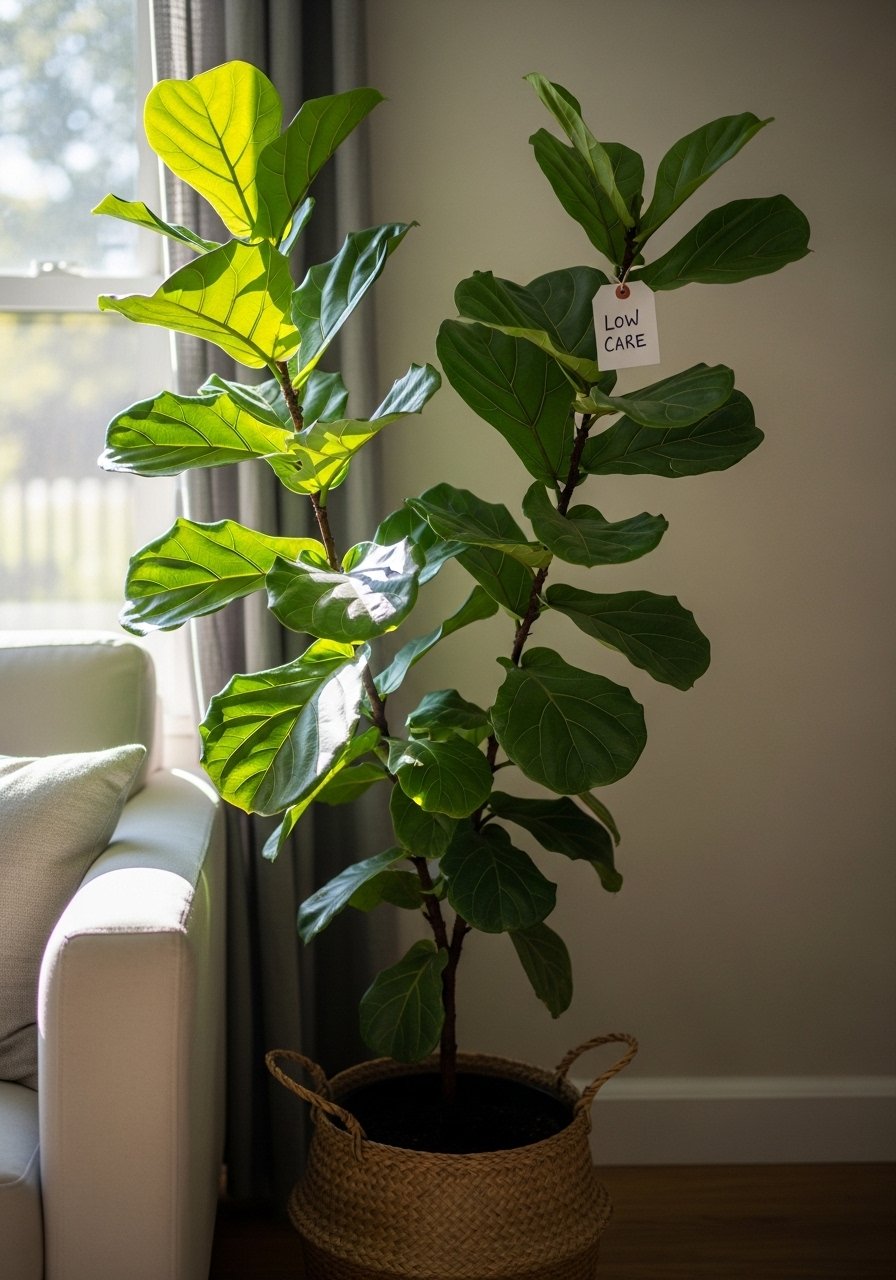
One single statement plant beats five small succulents when you need vertical interest. A 5-foot fiddle leaf fig or a tall rubber plant fills height without clutter. Most faux options look cheap, so if you cannot keep a live plant try a high-quality faux with realistic leaf texture. Place the plant where it can get indirect light and rotate it weekly. A common mistake is tucking the plant behind furniture where it disappears. I prefer a woven basket planter to soften the base. I keep an artificial option on hand, like this artificial fiddle leaf fig 5-foot for dim corners.
Most home matches land 80% close on bumpy walls, tweak with eye. Folks save 40% asking for Farrow matches at big box stores.
Your Decor Shopping List
Textiles
- Honestly the best $40 I have spent. Chunky knit throw blanket in cream (~$35-55). Drape over the sofa arm.
- 28-inch linen pillow covers set of two, neutral colors, down insert recommended.
- 8×10 jute area rug for base layer, then add a 6×9 plush rug.
Wall Decor
- Black gallery frames set in three sizes, great for mantel or console.
- Distressed leaning mirror 36×48-inch for corners.
Lighting & Hardware
- Brass wall sconces set for flanking a focal point.
- Warm 2700K dimmable LED bulbs for lamp swaps.
Plants & Planters
- Artificial fiddle leaf fig 5-foot for dark corners, woven basket optional.
Most of these have similar options at Target or HomeGoods if you prefer to see them in person.
Shopping Tips
Bold fabric choices feel less risky in person. Grab velvet pillow covers for $12 each and swap them seasonally to change the room without a major spend.
Grab 96-inch linen curtain panels for standard ceilings. Hang them 6 inches above the frame and 6 to 8 inches wider than the window for height.
White oak beats dark wood in current feeds. White oak floating shelves look current rather than dated and pair perfectly with mixed metals.
If you cannot paint to test, try peel-and-stick sample boards or tape up full-size paper panels for 48 hours of lighting checks. For pro-level color hints, consider a small phone clip color sensor if you like gadgets.
Frequently Asked Questions
Q: Can I mix boho textiles with a moody farmhouse sofa without it looking messy?
A: Yes. Keep the color story tight and mix only two strong pattern scales. Use one large geometric or stripe and one smaller floral or ikat. Anchor both by repeating a neutral like cream or charcoal across pillows or throws.
Q: What size rug do I actually need for a seating group in a living room?
A: Bigger than you think. For a standard living room, go 8×10 minimum and have all front legs of sofas and chairs on the top rug. Smaller rugs make furniture float and break the group visually.
Q: How do I test a dark accent wall without committing to paint?
A: Put up a 2-foot wide strip of temporary peel-and-stick wallpaper or paint a large sheet of foamcore and tape it to the wall for 48 hours under your lamps and natural light. Lighting trips up 70% of first tries, so live with the sample before buying gallons.
Q: Should I match my metals or mix them in a moody farmhouse room?
A: Mix them. Use a warm metal like brass for lighting or larger accents and a cool metal for small details. Aim for three points of metal change in the room so it feels collected.
Q: Are faux plants acceptable in a moody room?
A: Both real and fake can work. Use real snake plants or pothos if you want low care. If you need height without maintenance, a high-quality artificial fiddle leaf fig can look convincing in dim spots.
Q: How do I avoid muddy paint mixes when trying custom trim or accent tones?
A: Stick to clean-mixing pigments and label bias. Most home matches land 80% close on bumpy walls, tweak with eye. If a brand is discontinued, ask for a formula code or a big box match, since folks save 40% asking for Farrow matches at big box stores.