Spent $400 on a coffee table and still felt like the room belonged in a hotel lobby. Swapping in a throw, a terracotta vase, and a plug-in sconce one weekend made the whole thing breathe. I try small, targeted moves first because they change how everything else reads.
These ideas lean modern farmhouse with a soft cottagecore thread. Most projects are under $50, with a few splurges around $100-150. Works for living rooms, bedrooms, entryways, and small apartments that need a personality nudge. Most folks now pick sage vibes over those old grays.
Sage Accent Wall With Charcoal Trim For The Living Room
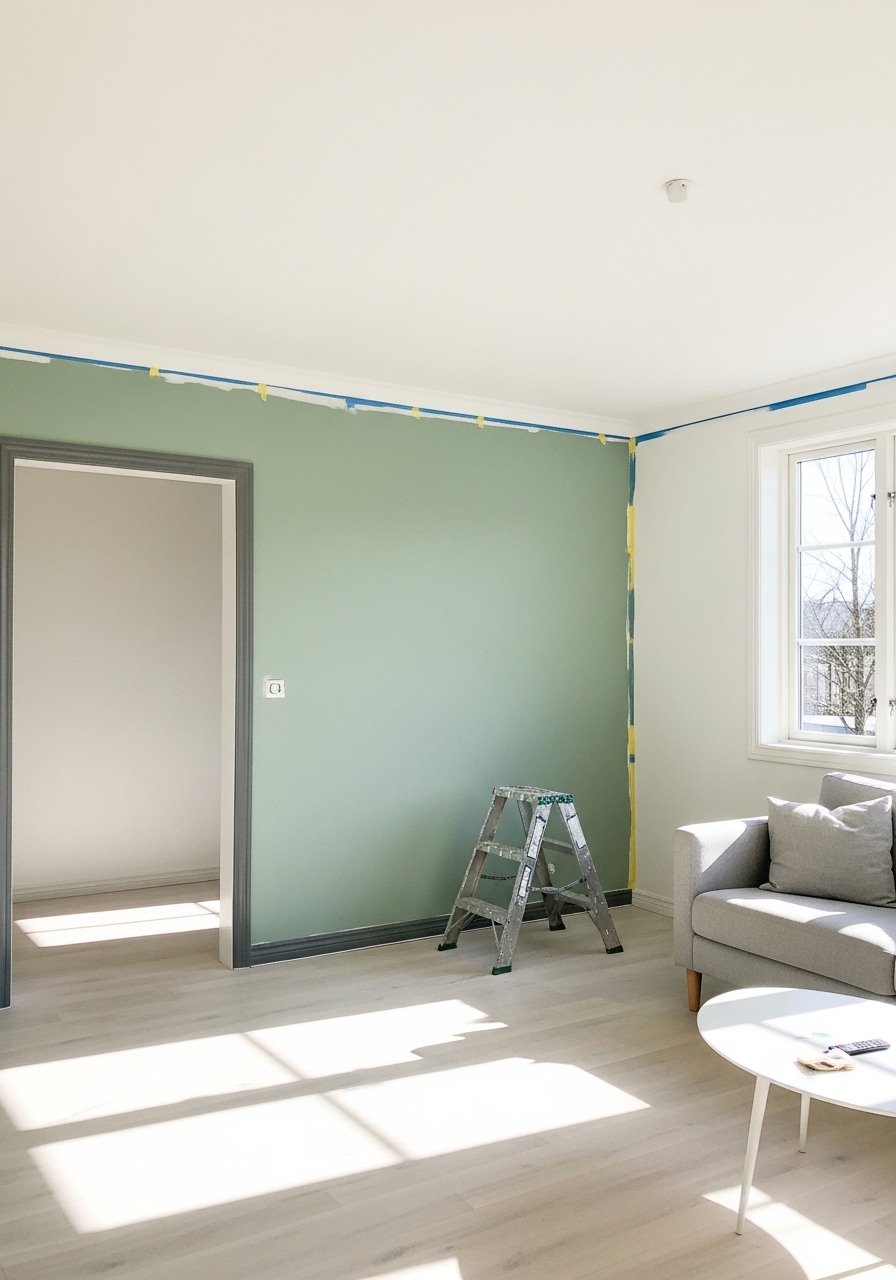
An accent wall keeps sage from swallowing a small room. Paint a single wall in a soft sage and tape a one-inch charcoal border around doorways to ground it. That charcoal edge reads like trim but is renter-friendly if you use peel-and-stick wall paper instead of paint. Budget: $40-80. I used a tester pot mixed with a flat white to soften the tone and it stopped the green from looking muddy. Common mistake is painting every wall the same color. Try an 80/20 rule, with 80 percent neutrals and 20 percent deeper accents. For renters, try a sage green peel-and-stick wallpaper sample first.
Creamy White Side Table Flip For Dull Corners
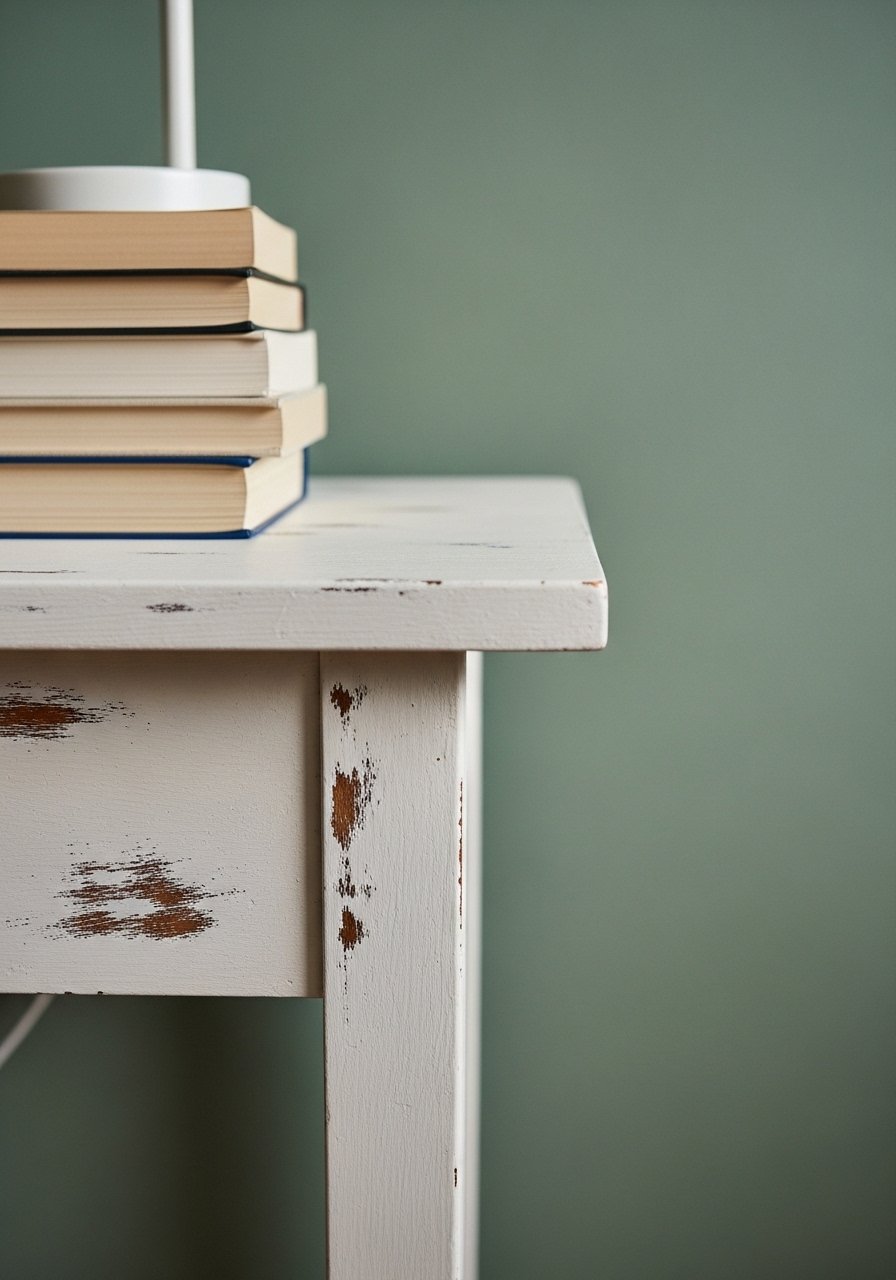
My favorite quick win is a thrifted side table painted creamy white. Chalk paint over a bonding primer hides wear without sanding, and a white surface reflects light against a sage background. Budget: $20-60. I recommend priming first because thrift flips can chip if you skip that step. A mistake I see a lot is matching stain to the room instead of contrast. For texture, pair the table with a ceramic plug-in lamp. Try this bonding primer and these cream chalk paint bottles for a quick restart.
Trailing Plant Shelfie For Small Walls and Corners
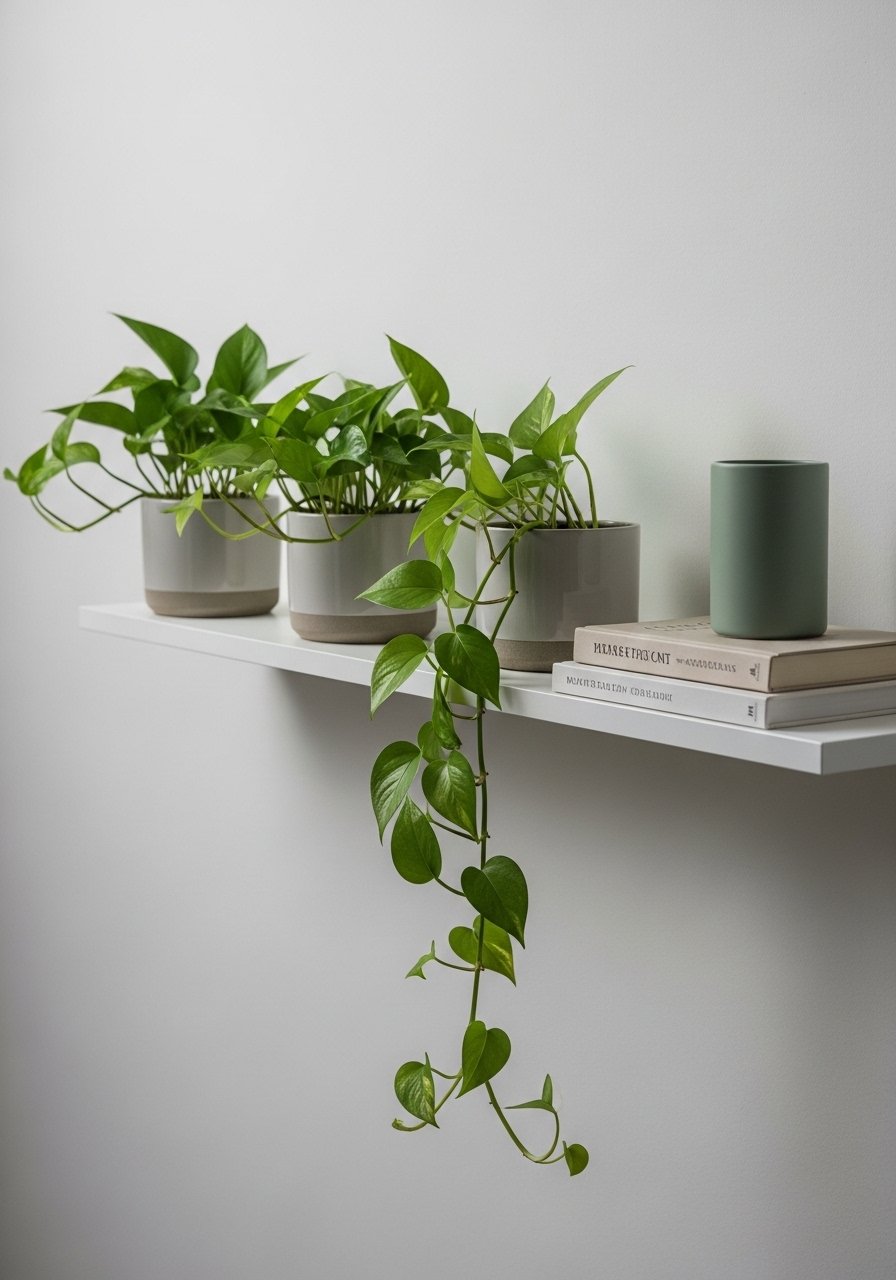
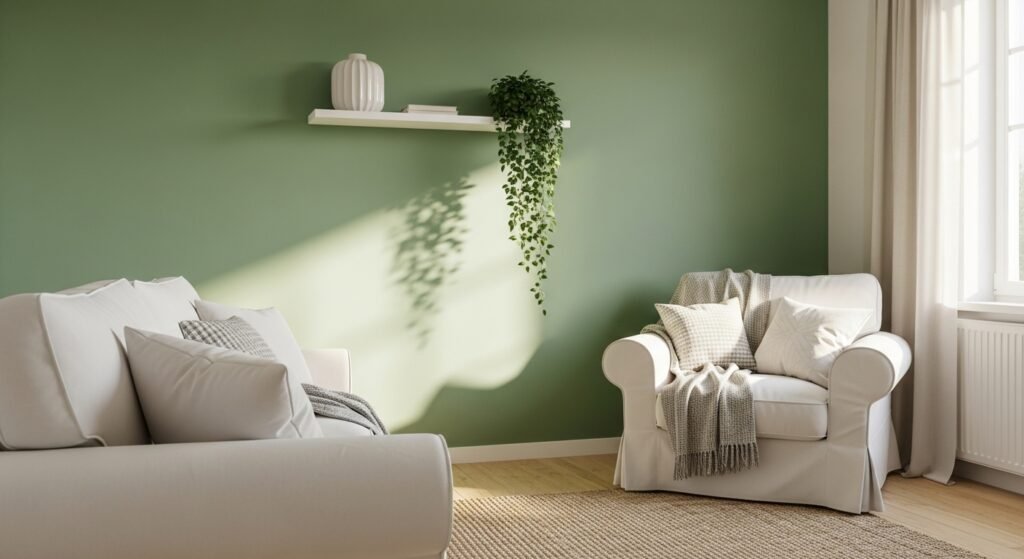
If a wall feels bare but you can’t drill, floating shelves with trailing plants fix it. Layer three plants of different heights, use odd numbers for objects, and stagger books under a vase. I hang the shelf with heavy-duty command strips in rented spaces because almost half of renters skip paint altogether and still want that lived-in look. Budget: $30-70. Plants die when they sit too far from light, so pick pothos or philodendron for low light spots. Try a simple floating shelf set and neutral plant pots.
Botanical Gallery Wall With Sage Frames For A Hallway
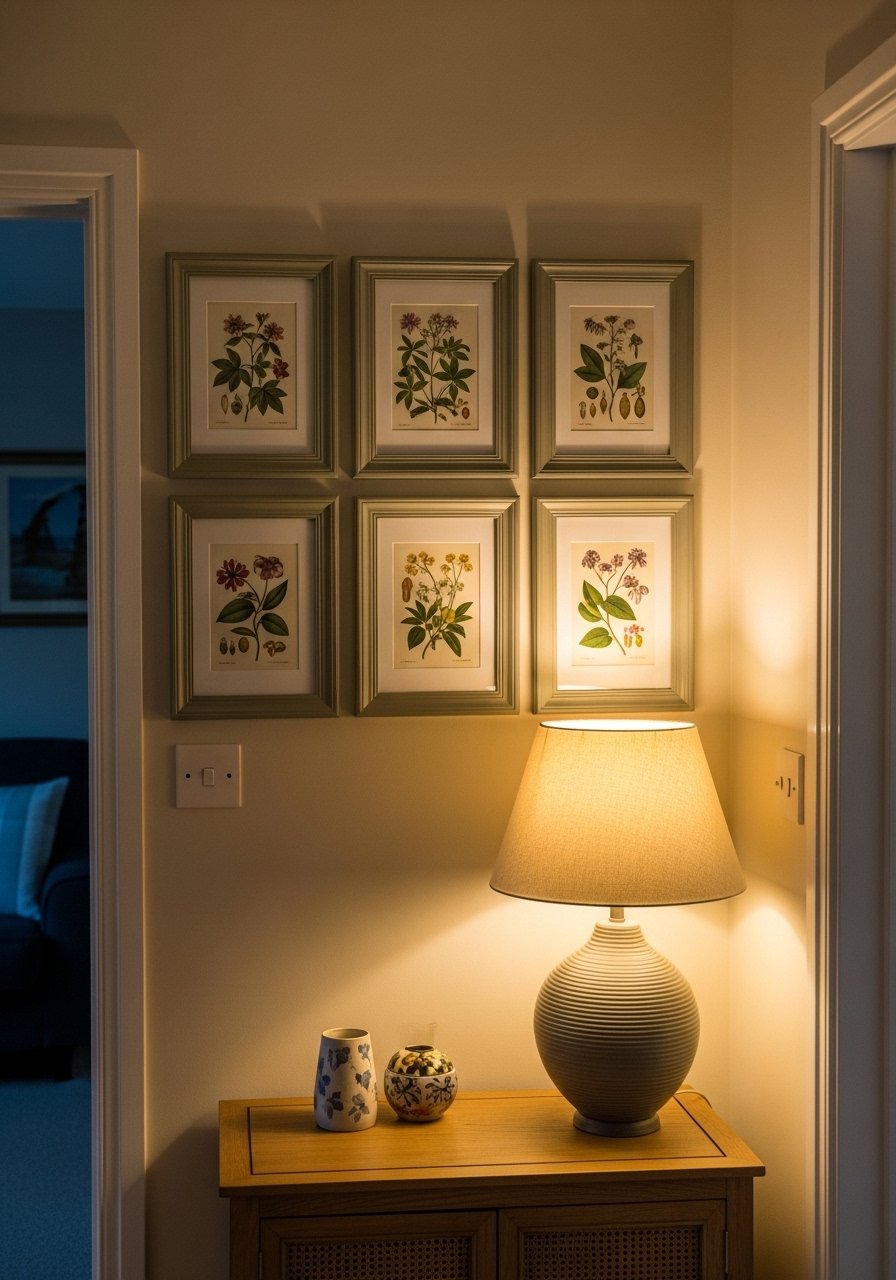
I painted thrift frames sage to make a collected gallery that ties back to the walls. Use a 2×3 grid for balance and keep matting creamy white so the prints breathe. Budget: $50-100. The trick most articles miss is setting the total grid size first; aim for a 24×36 inch overall footprint so you avoid tiny squares that look lost. A common mistake is hanging art too high. Keep the center at eye level and use picture ledges if you want to swap prints without new holes. These wood picture frames are easy to paint and inexpensive.
Layered Sage And Terracotta Pillows For The Bedroom
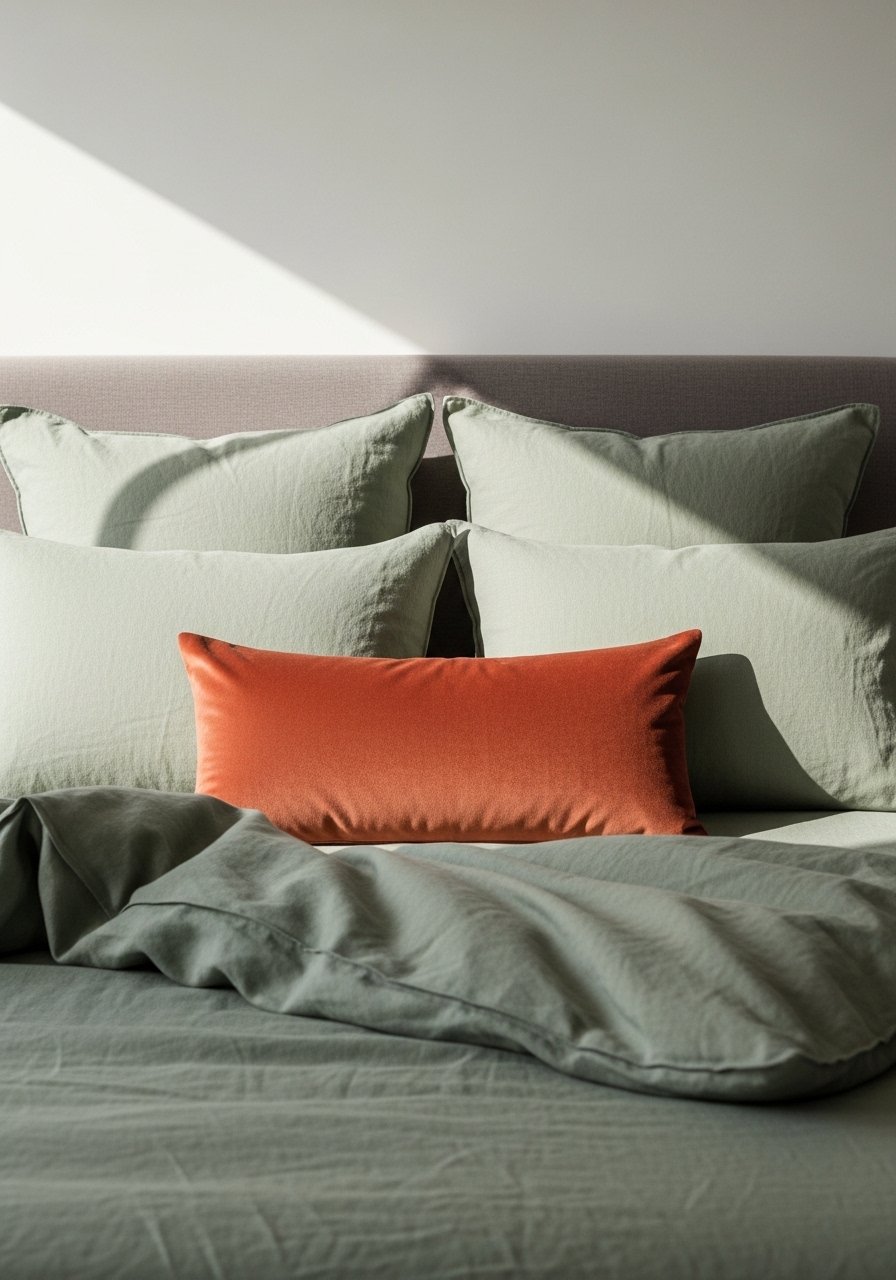
Pillows are the fastest way to make a bed feel edited. I stack two 22-inch linen pillows in sage, add a terracotta velvet lumbar in front, and tuck one patterned cushion for interest. Budget: $40-90. Follow the three-to-five pillow rule for a relaxed look. Linen washes better than velvet if you have pets. A mistake is using too many matchy textures. Mix linen with one velvet or knitted piece to add depth. I grabbed these 22-inch linen pillow covers and a terracotta lumbar pillow and the bed finally read intentional.
Plug-In Sconce Over A Side Table For Layered Light
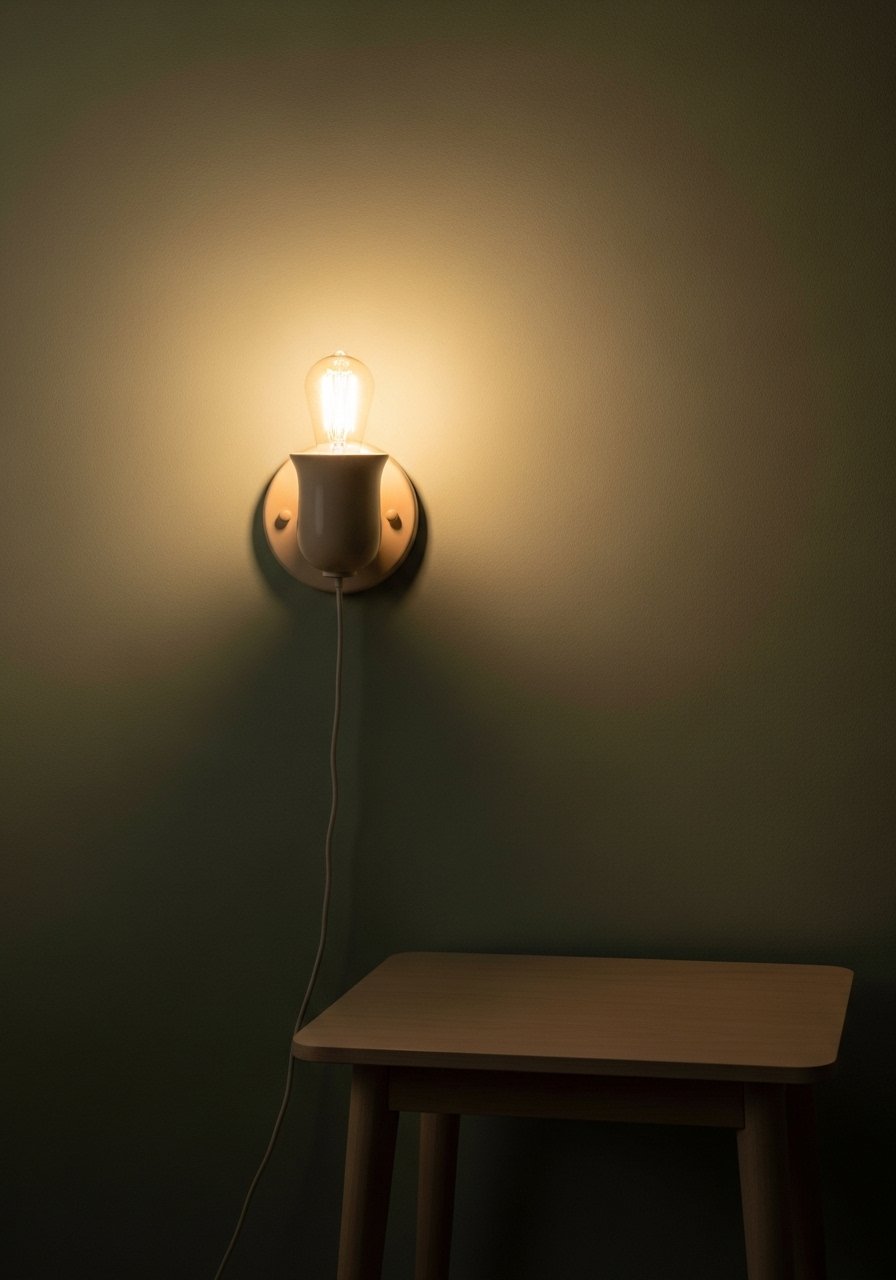
Layered lighting makes sage feel like a real room after dark. A plug-in sconce over a reading chair creates a pool of light without rewiring. Budget: $25-60. My rule is do not rely on harsh overheads in sage rooms or the color shifts weirdly. A common oversight is hanging fixtures too high; aim for the bottom of the fixture at eye level when seated. These ceramic plug-in wall sconces are easy to install and renter-friendly. Pair with unscented beeswax candles on the coffee table for night magic.
Candle Layering On A Coffee Table For Night Ambience
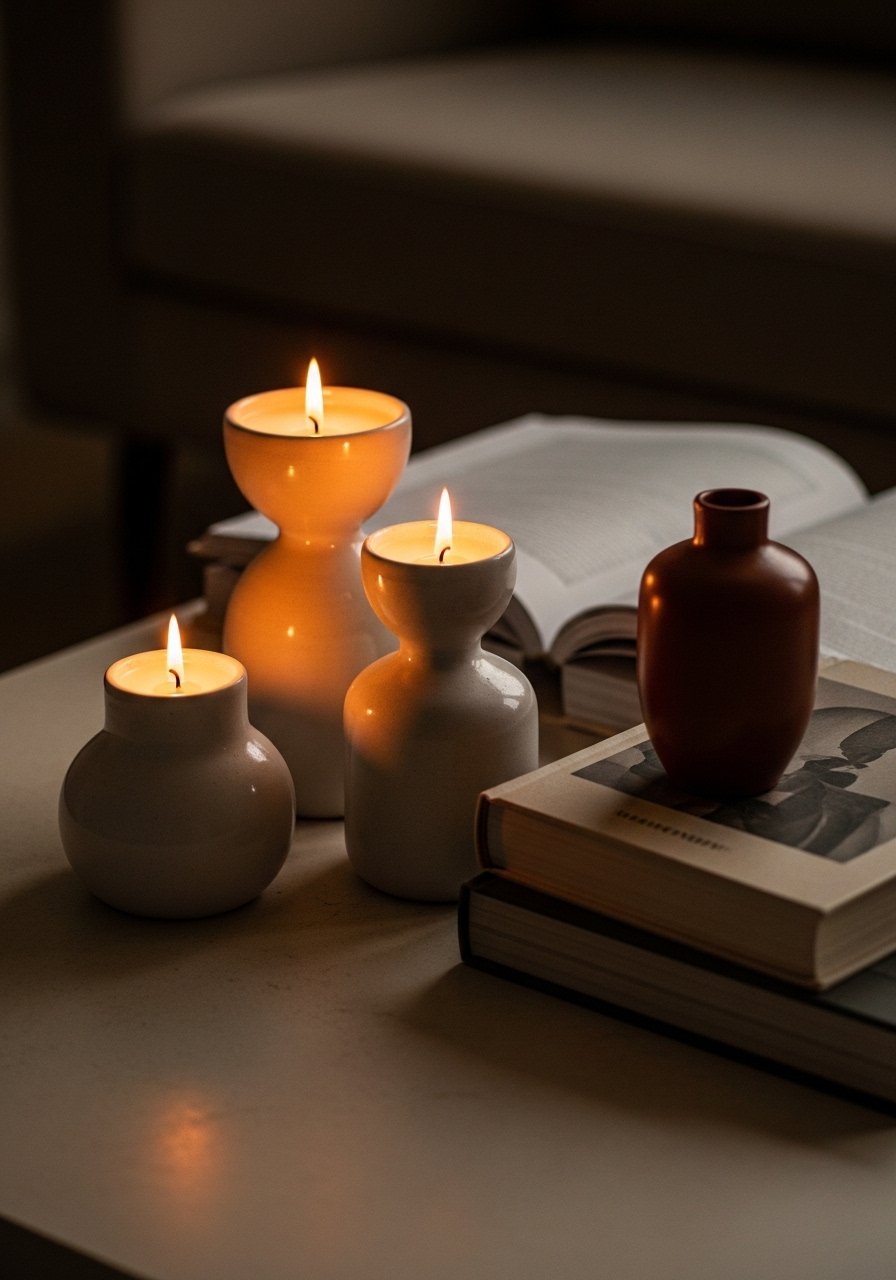
Candles change how sage reads at night. Group an odd number of ceramic holders with varying heights and tuck them next to a stack of books. Budget: $15-40. I use unscented beeswax so the scent does not compete with dinner. One mistake is using same-height candles; height variation makes the scene look intentional. For real life, put a tray under the candles to protect wood. These white ceramic candle holders are inexpensive and sturdy.
Sage Duvet With Crisp White Sheets For A Calm Bedroom
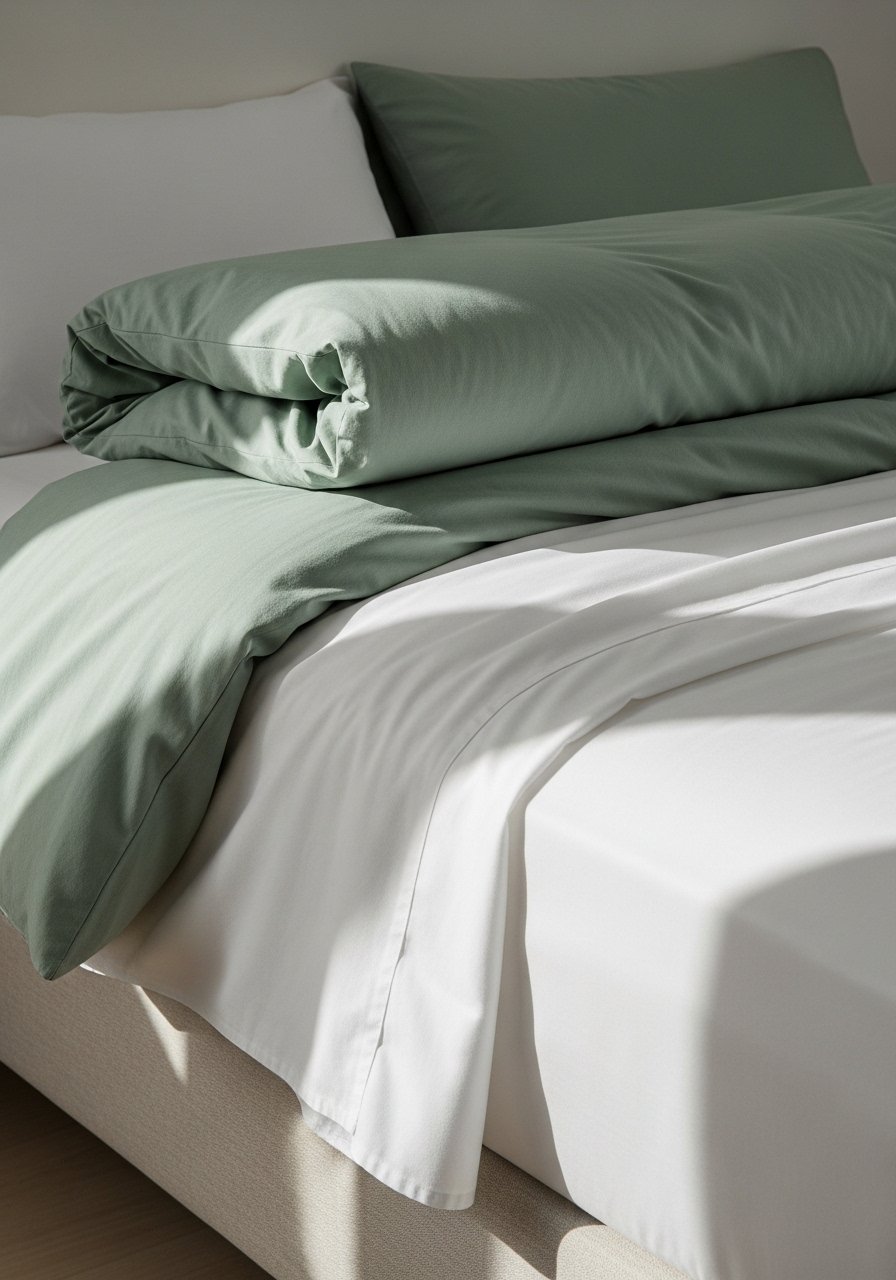
Switching to a sage duvet with white sheets calmed my chaotic bedding instantly. Budget: $80-150. Fold the duvet edge down two inches to show the sheet layer, and add a terracotta lumbar to warm the palette. Linen or cotton percale is easier to wash if you have kids or pets. Many people buy a full sage set then wonder why it reads flat. Use the 80/20 ratio, keeping 80 percent neutral and 20 percent accent. I like this sage duvet cover and these white cotton sheets.
Terracotta Vase On A Wooden Bench For Entryway Warmth
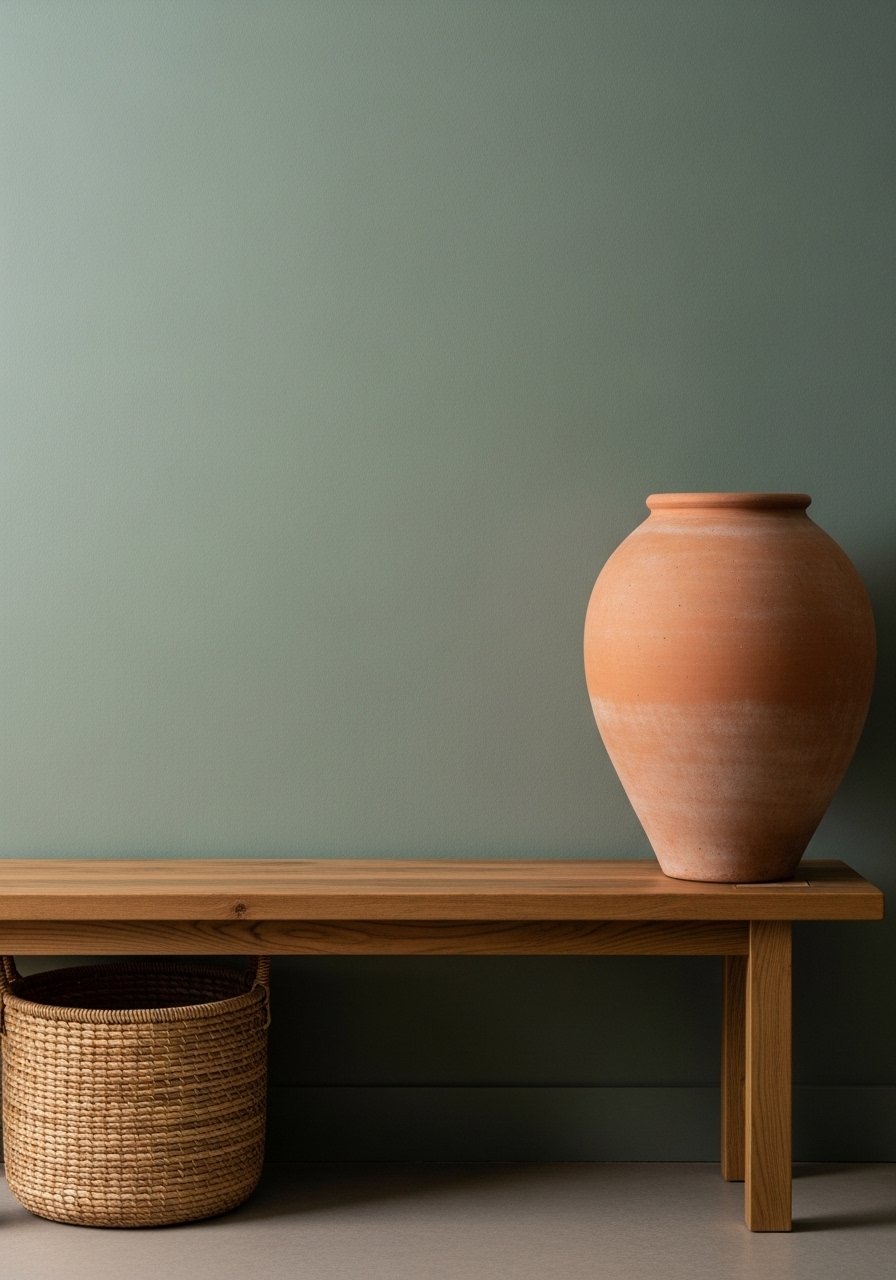
An oversized terracotta vase grounds airy sage walls. I set mine on a rough wood bench with shoes hidden in a basket below. Budget: $20-50. Terracotta adds the earthy contrast sage needs. A common mistake is choosing a vase too small for the bench scale. Aim for a vase at least knee height to balance the bench. This look pairs well with the jute rug idea later. I found a great terracotta floor vase that reads expensive but is budget-friendly.
Handpainted Olive Leaf Mural Accent For A Statement Wall
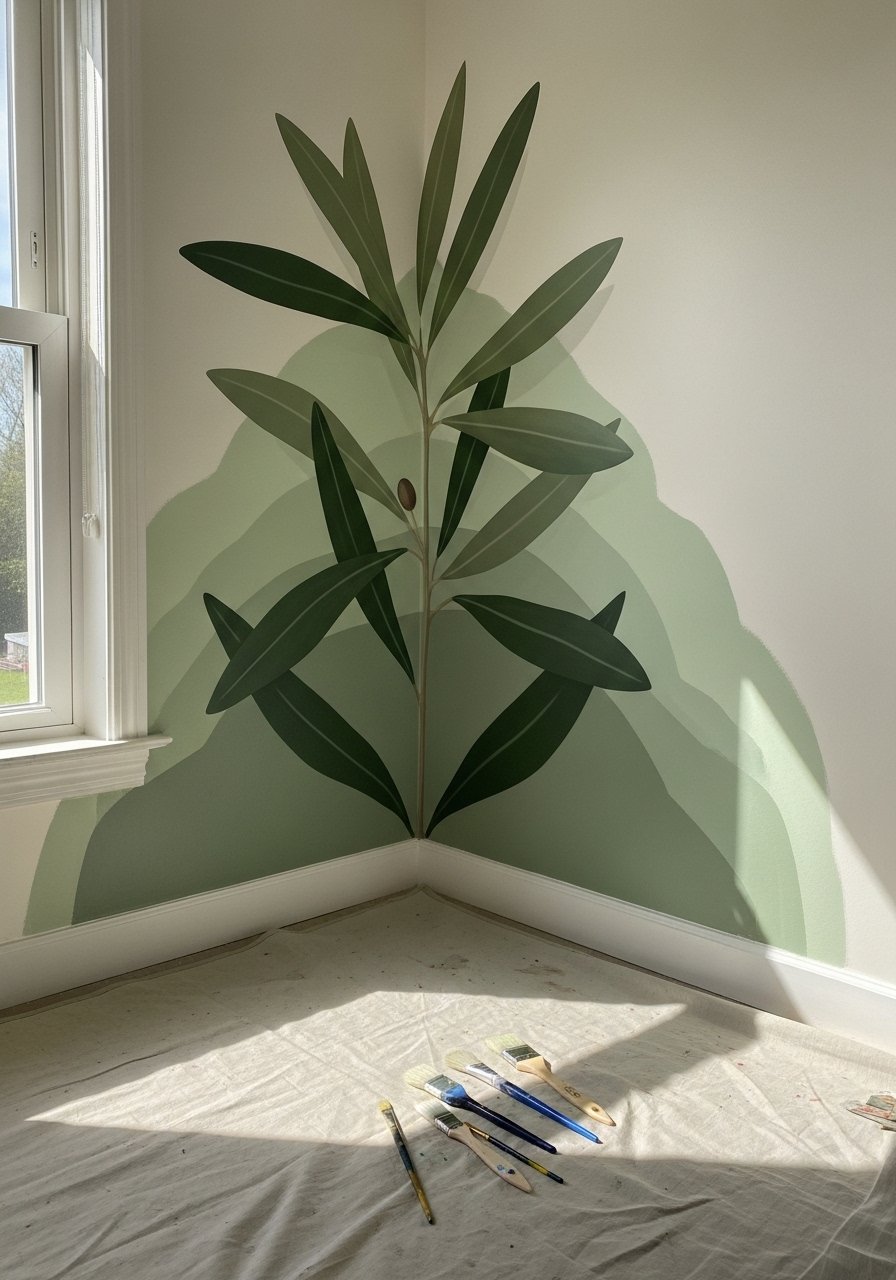
If you want wallpaper energy without commitment, paint a 3×4 foot olive leaf mural on one wall. Budget: $30-70. Use acrylics and seal with matte varnish. A detail most people skip is testing the mural under evening light; sage shifts warmer with lamps on. This is not a fast job, so schedule a three-hour block and work in layers, letting paint dry between passes. For renters, try painting the mural on a large canvas you can hang instead. Grab an acrylic paint set in greens and a matte varnish.
Jute Rug Under Furniture Legs To Anchor Seating Areas
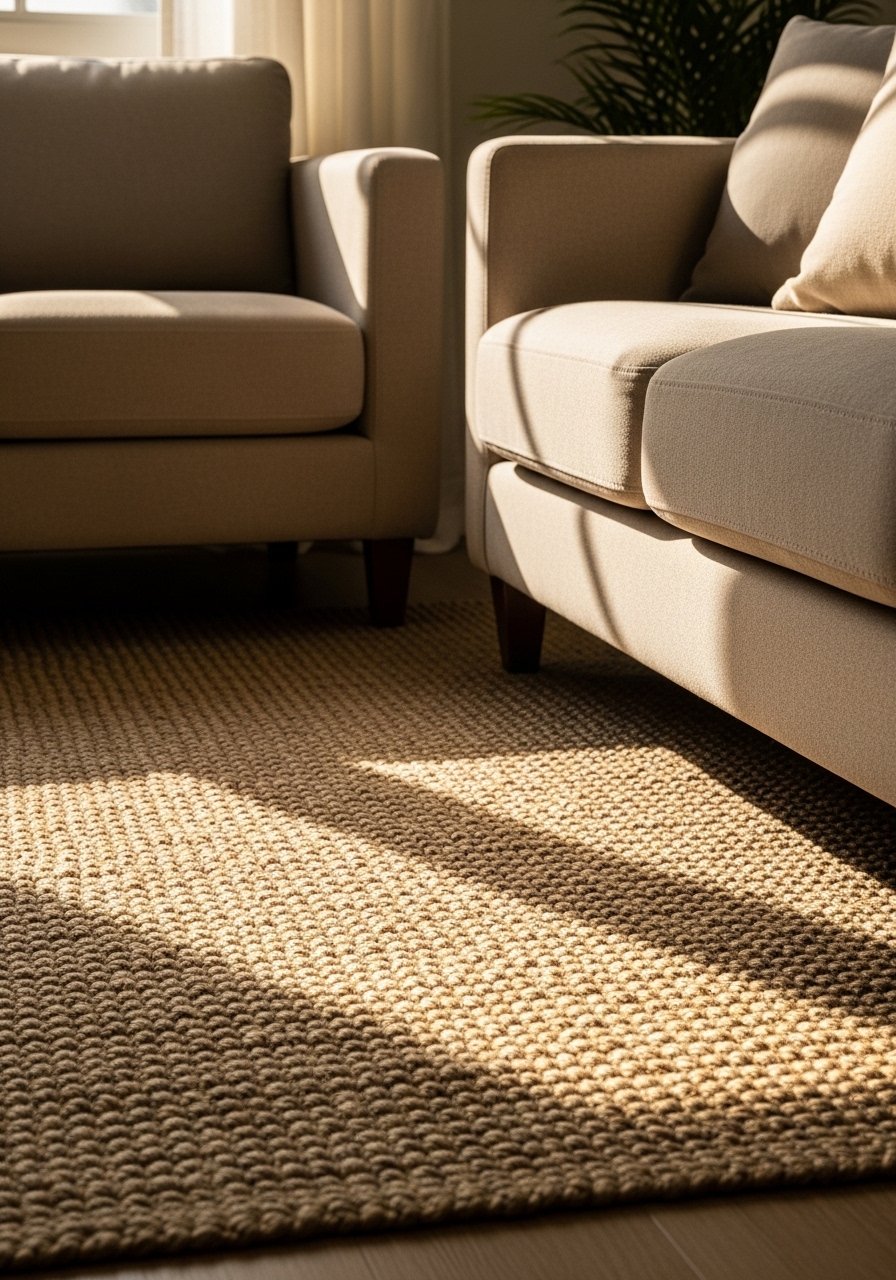
Rugs are a scale problem more than a color problem. I learned to go 8×10 in living rooms under 12×15, and keep all front furniture legs on the rug. Budget: $100-200. Smaller rugs make furniture float and kill the grounded feel. Jute plays nicely with sage and tolerates traffic. A common mistake is buying too small a rug because the room "looks bigger" with tiny rugs. Try an 8×10 jute rug for an instant grounded look. If you have pets, add a washable rug layer on top.
Your Decor Shopping List
- Honest favorite bedding combo, two options. Sage duvet cover and white cotton sheet set. Splurge on the duvet, keep sheets simple.
- Textiles to layer. 22-inch linen pillow covers in sage and terracotta lumbar pillow. Similar at Target or HomeGoods.
- Rug that anchors. 8×10 jute area rug (~$100-200). Durable, neutral.
- Lighting and ambience. Ceramic plug-in wall sconce and white ceramic candle holders.
- Wall art basics. Wood frames 8×10 set and brass picture ledges for easy swaps.
- Planter and pots. Neutral ceramic plant pots and white floating shelf set.
- Thrift flip supplies. Bonding primer for chalk paint and cream chalk paint.
- Decorative accents. Large terracotta floor vase and green acrylic paint set for mural practice.
Shopping Tips
White oak beats dark wood in 2026. Design feeds have shifted completely. These white oak floating shelves look current, not dated.
Grab linen curtain panels in 96-inch length for 9-foot ceilings. Curtains should puddle or kiss the floor, never hang halfway up.
Swap velvet for washable linen when you have pets. Linen pillow covers are easier to clean and still feel layered.
One large plant beats five small succulents. Try a 6-foot artificial fiddle leaf fig where you need height without the maintenance.
If you thrift, always prime. Bonding primer prevents chipping and saves you from repainting next month.
Frequently Asked Questions
Q: What size area rug do I actually need for my sage living room?
A: Bigger than you think. For a standard living room under 12×15, go 8×10 minimum and set all front furniture legs on it. This 8×10 jute rug is neutral and tough.
Q: Can renters use these ideas if painting is not allowed?
A: Yes. Peel-and-stick wallpaper, command-strip shelves, and plug-in sconces make most looks renter-friendly. Almost half of renters skip paint altogether, so these swaps are exactly what people use.
Q: How do I stop sage from looking muddy?
A: Limit sage to about 20 percent of the palette and balance with creamy whites and a charcoal or terracotta accent. A small terracotta vase or a charcoal trim line makes the green feel intentional.
Q: Should I prime thrifted furniture before painting?
A: Always prime first. Thrift flips chip fast without a bonding primer. I spend a little time on prep and it saves repaint work later.
Q: Real plants or faux for shelter shelves?
A: Both work. Low-light trailers like pothos survive in dim spots. If you want zero maintenance, a realistic artificial fiddle leaf fig adds height without upkeep.
Q: Are candles safe on coffee tables with kids?
A: Use a tray and never leave candles unattended. Consider battery-operated beeswax lookalikes if you need the night glow without the flame.