


My living room had nice furniture and decent lighting but it still felt like a waiting room. Took me embarrassingly long to figure out it was missing texture. Every surface was smooth, every color was flat, and nothing invited you to actually sit down. After swapping a few pillows, adding a rug, and moving an armchair, the space finally felt like someplace people wanted to linger.
These ideas lean traditional classic with a touch of transitional warmth. Most items run under $150, with a few splurges you can save toward. Works for living rooms, dens, or any sitting area that needs a friendlier silhouette.
Layered Neutrals with One Bold Accent Color

The moment I added a single navy velvet pillow to my neutral sofa everything snapped into focus. Layered neutrals let classic furniture breathe while one bold accent anchors the eye. Try 22-inch down-filled linen pillow covers in cream and a navy velvet pillow cover for about $20. Budget under $100 to do a full sofa. The common mistake is matching every neutral exactly. Use a 60-30-10 color rule for base, secondary, and accent. Machines get you 99% there, eyes do the last bit. Pair this with the rug idea below for a pulled-together look.
Gallery Wall Using Traditional Frames and a Balanced Grid
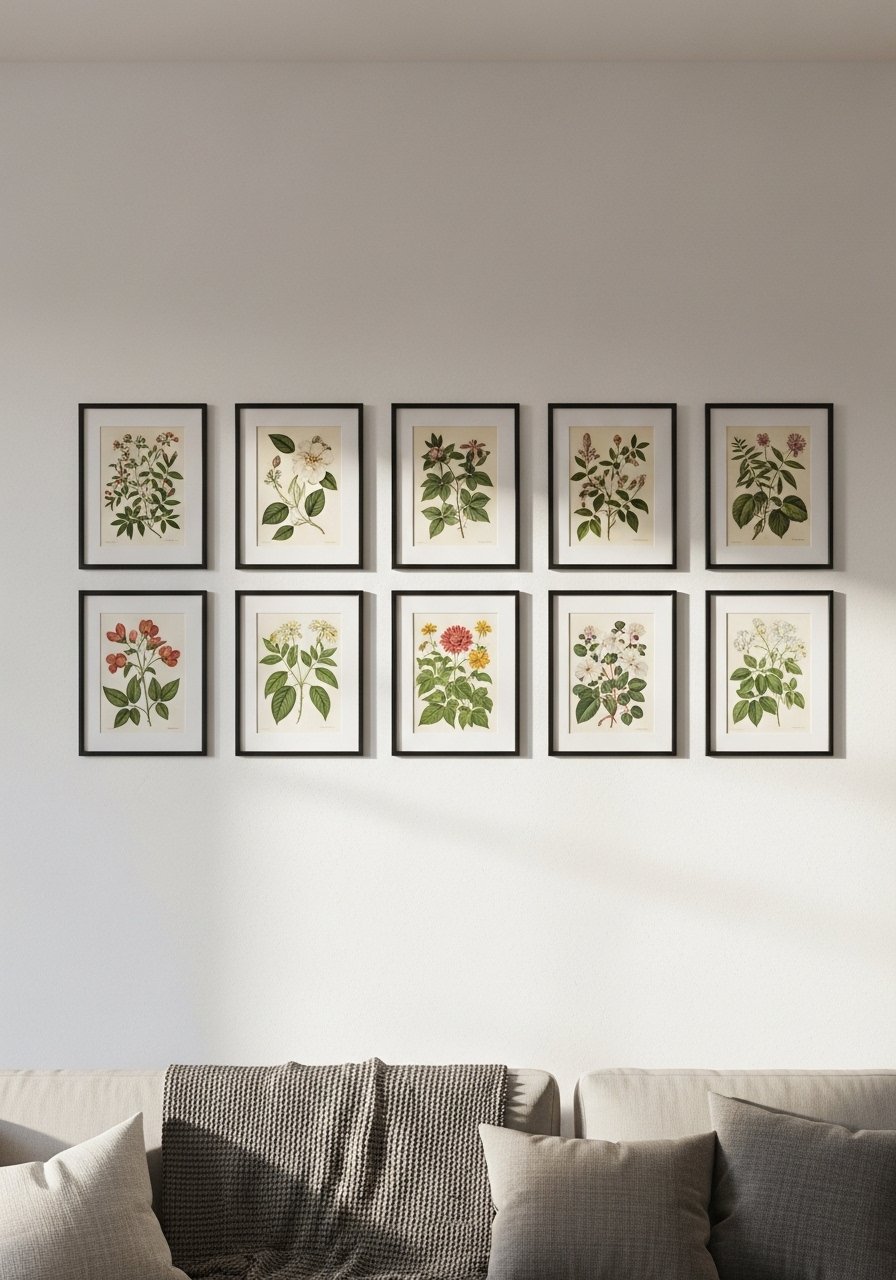
I found these brass picture ledges and they solved my gallery wall commitment problem. A balanced grid of classic prints in mixed black and brass frames looks deliberate without being fussy. Use 8-10 inch spacing between frames and hang the center at eye level, about 57 inches from the floor. For fast swaps grab a set like mixed metal picture frames for easy rotation. People often start with random sizes and then the wall reads chaotic. Keep a rough template on kraft paper before nailing. Pair this with layered neutrals for a cohesive palette.
Floor-to-Ceiling Curtains to Add Height in Classic Rooms

Most people hang curtains right at the window frame. That is why their rooms look shorter than they are. Hang panels 4-6 inches above the trim and choose 96-inch or 108-inch panels depending on ceiling height. I use sheer linen panels with a heavier outer layer to keep the traditional feel. Linen curtain panels 96-inch are budget friendly at about $30 a panel. A mistake is skimping on length to save money. Longer panels give classic furniture breathing room and make the ceiling feel taller. Almost everyone regrets skipping room tests when buying curtain fabric.
Mixed Metallics for Warmth with Traditional Pieces

I used to try to match metals and the room felt flat. Mixing brass, aged nickel, and soft gold gives depth to a classic living room. Start with one dominant finish on large pieces and mix smaller accents. These brass candlesticks are inexpensive and readable next to a nickel frame. Try brass taper candlesticks set for about $25. The error I see most is buying all small items in the same metal. That makes the mix look accidental. Machines get you 99% there, eyes do the last bit when you step back and tweak.
Oversized Mirror to Brighten Dark Corners in Traditional Layouts

Placing a large mirror opposite a window doubled my light in one afternoon. Oversized mirrors bounce daylight into dark corners and make a traditional furniture arrangement feel less heavy. Aim for a mirror that fills at least two thirds of the wall height. A framed 36×48 inch mirror works over a console or beside a sofa. I linked 36×48 framed mirror that sits under $150. The mistake is a mirror too small for the wall. If your room is cramped, angle it slightly toward the source of light for best effect.
Classic Leather Armchair for Longevity and Character

A leather armchair was my splurge and it earns the price every winter. A classic tufted or club chair in cognac leather adds warmth, patina, and a lived-in look. Look for full-grain options around $400-900 if you splurge. For a budget pick try cognac leather-look accent chair at about $250. People often buy a chair that is too small for the scale of their sofa. Measure seat height and arm clearance to make sure it reads like part of the group. Pair with a wool throw for texture contrast.
Tufted Ottoman That Doubles as Extra Seating
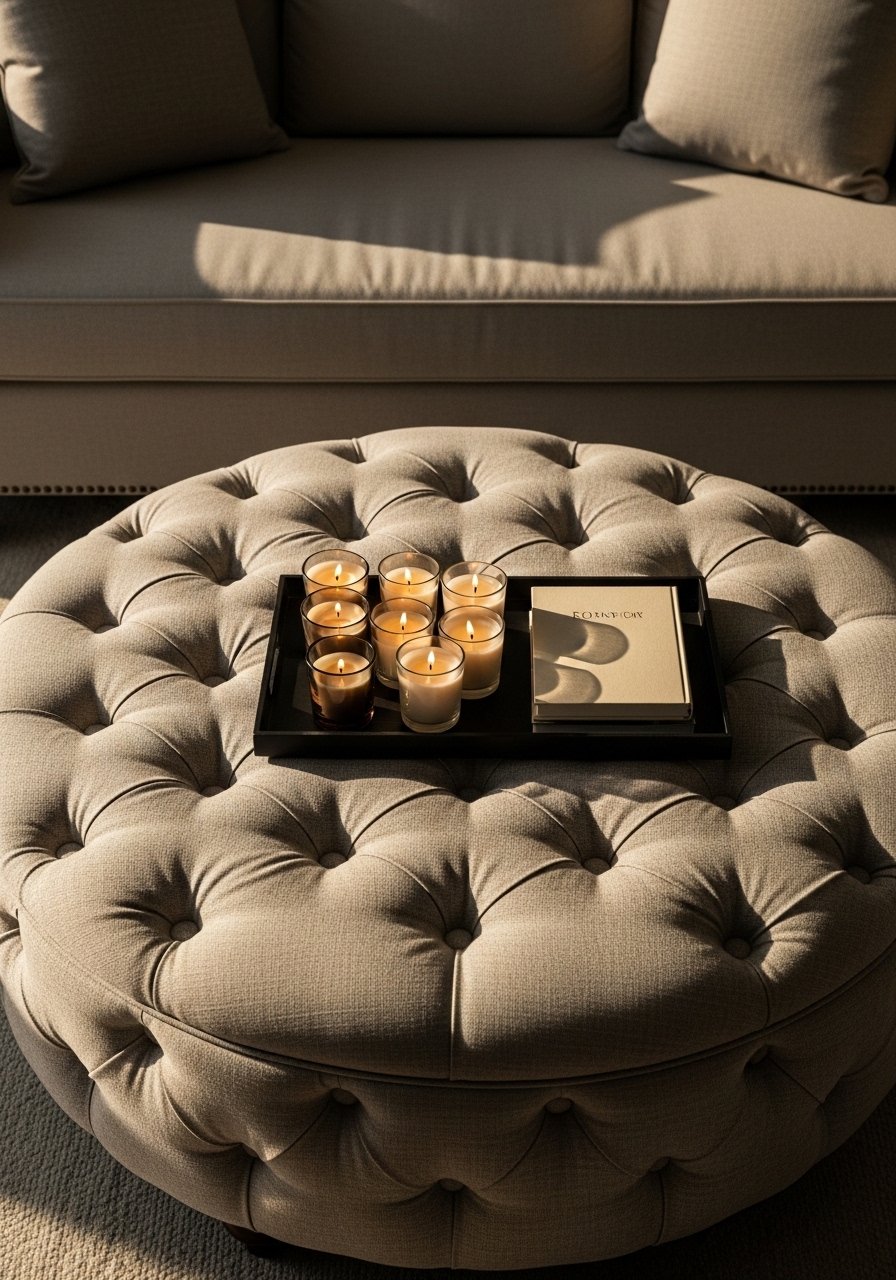
I swapped a coffee table for a tufted ottoman and the room felt more inviting immediately. Ottomans soften the footprint of traditional furniture and double as extra seating for guests. Choose a 36-42 inch diameter for a standard seating area so trays and dishes fit comfortably. Round tufted ottoman 40-inch is a reliable size. The frequent mistake is picking an ottoman too small so it disappears. Use it near a sofa and anchor with a rug that leaves 18 inches of bare floor to the walls for a balanced classic look.
Slipcovered Sofa Trick for Renters Who Want a Traditional Look
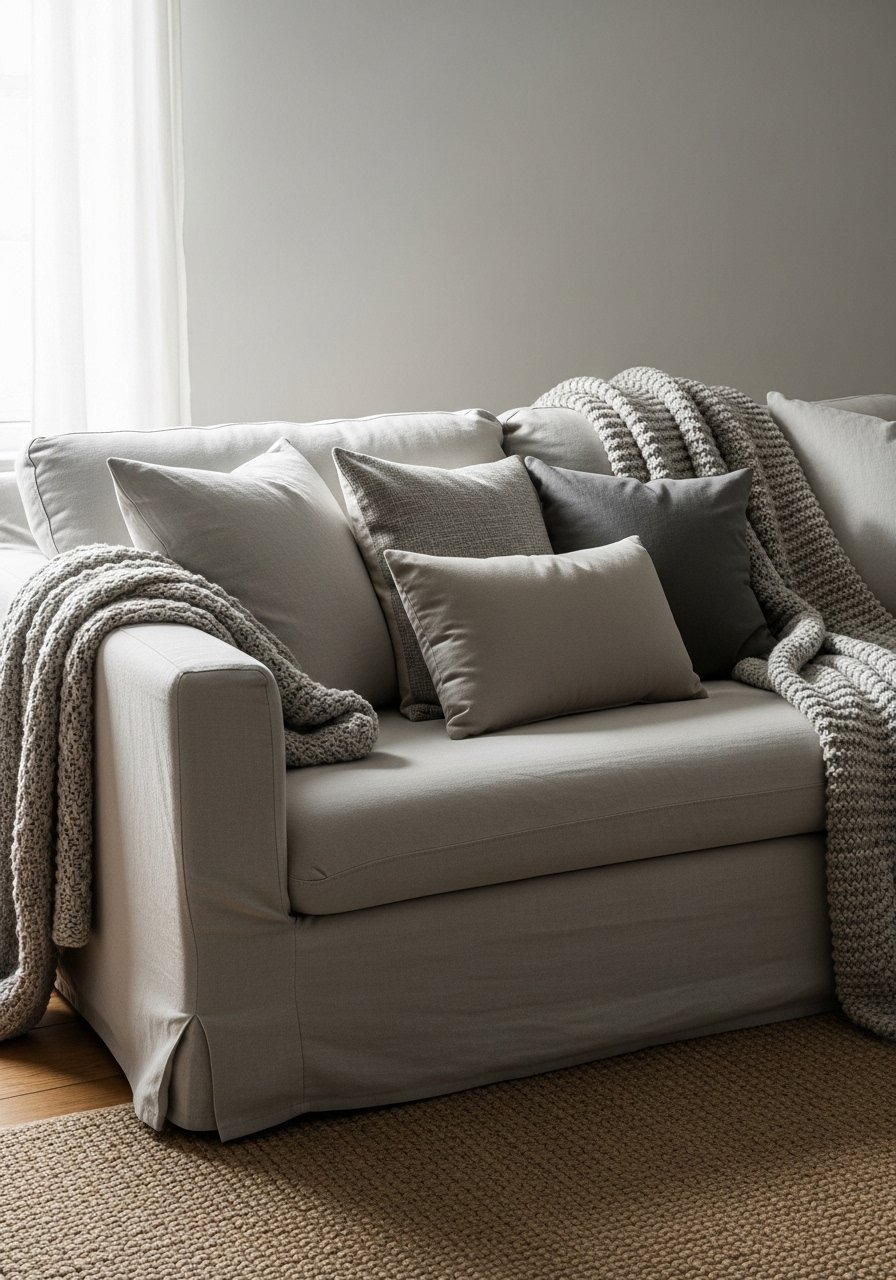
A friend texted me a photo asking why her rental living room felt cold. She had zero textiles. No throw, no layered pillows, nothing soft anywhere. A full slipcover in linen instantly softens a traditional sofa and makes it renter friendly. Choose a tailored slipcover with ties or straps for a cleaner silhouette. Linen slipcover full sofa runs about $80-150. The usual error is an ill-fitting cover that looks like furniture in a costume. Take measurements of arm width and cushion depth before ordering. Most matches work if you test in your lights first.
Built-In Style Bookcases Without the Renovation
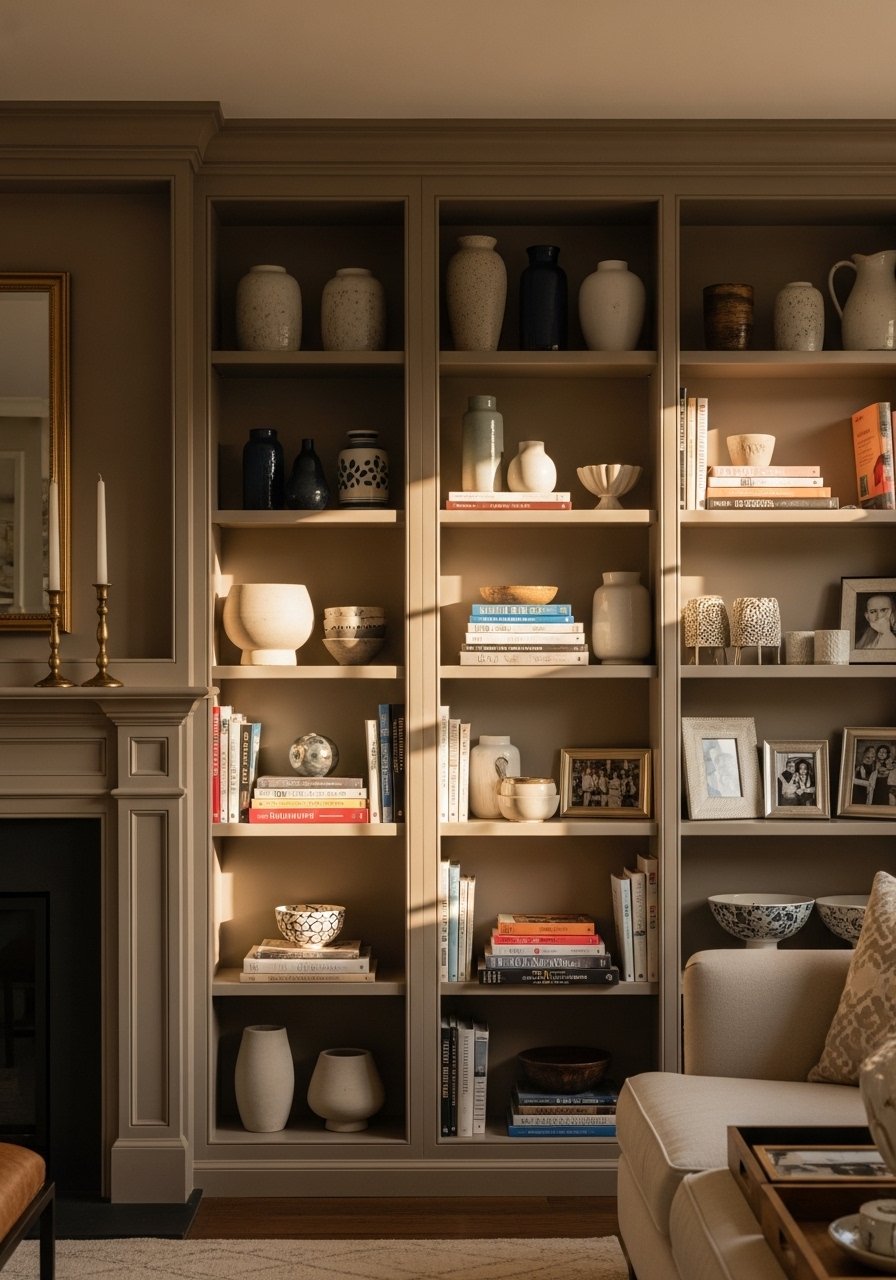
You do not need a contractor for built-in charm. Install matching bookcases and paint them the same color as the wall to mimic built-ins. I bought two identical 24-inch bookcases and anchored the arrangement with a lower cabinet between them. Paint in wall color and add crown trim to the top shelf for a custom look. 24-inch bookcase with adjustable shelves is an affordable starting point. Common mistakes include overcrowding the shelves. Use the rule of thirds for objects and leave breathing space.
Classic Area Rug to Anchor Traditional Seating
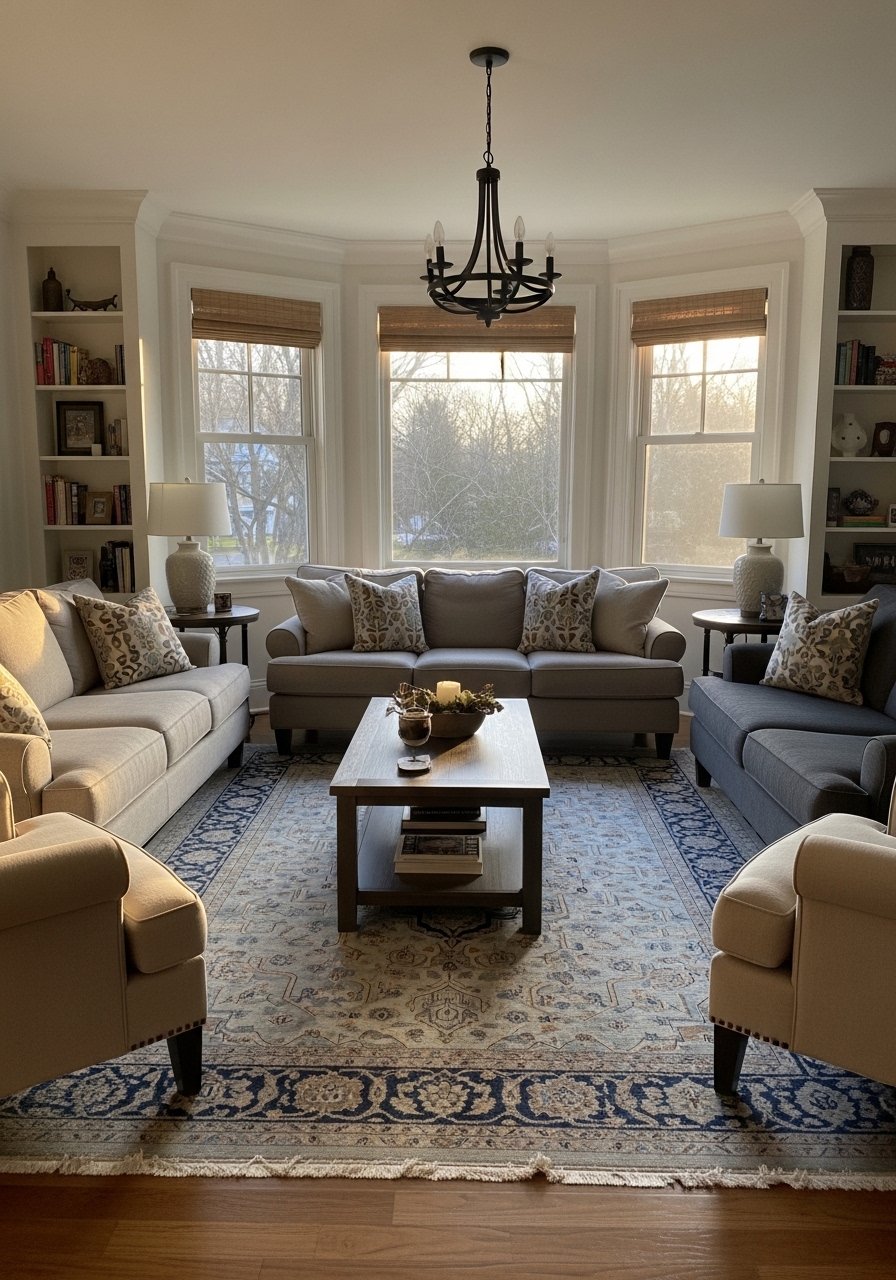
For years I bought rugs that were visually right but wrong in size. Move out the furniture and measure first. An 8×10 rug for a standard living room is the minimum so at least the front legs of the sofa and chairs sit on it. A patterned wool rug hides wear and ties traditional pieces together. 8×10 wool area rug classic pattern is durable and under $300 in many styles. The mistake is thinking smaller saves money. Bigger rugs make a room feel intentional and help traffic flow.
Console Table to Fix an Entry That Leaks Into the Living Room
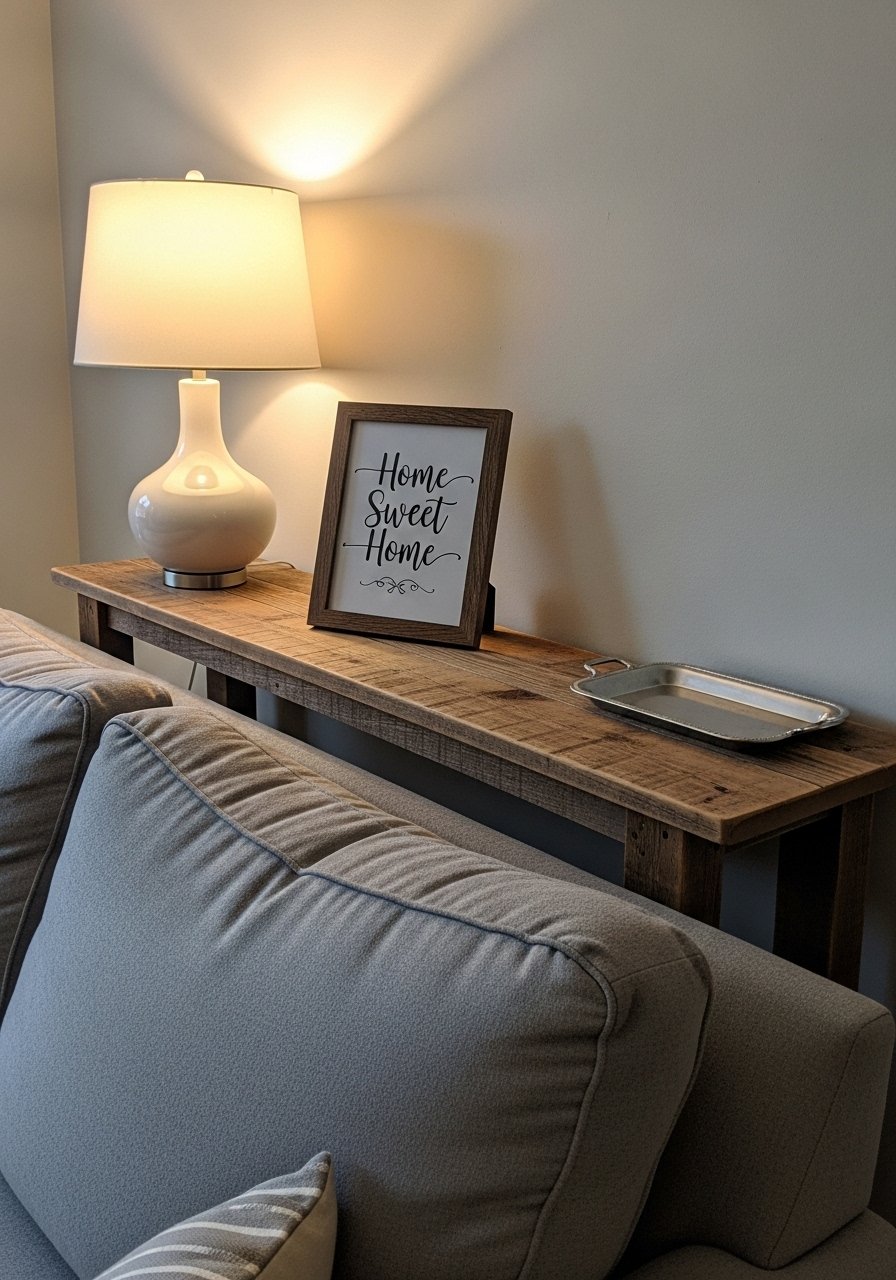
My entry used to be a dumping ground until I added a slim console behind the sofa. It gives a place for keys and a quick staging spot without closing off the room. Choose a 12-15 inch deep console so traffic still flows. 48-inch narrow console table in walnut adds warmth under $120. The mistake is over-accessorizing the top. Keep one anchor object, one tray for essentials, and a lamp for scale. Cross-reference this with the mirror idea for more light.
Wingback Reading Nook with a Traditional Lamp
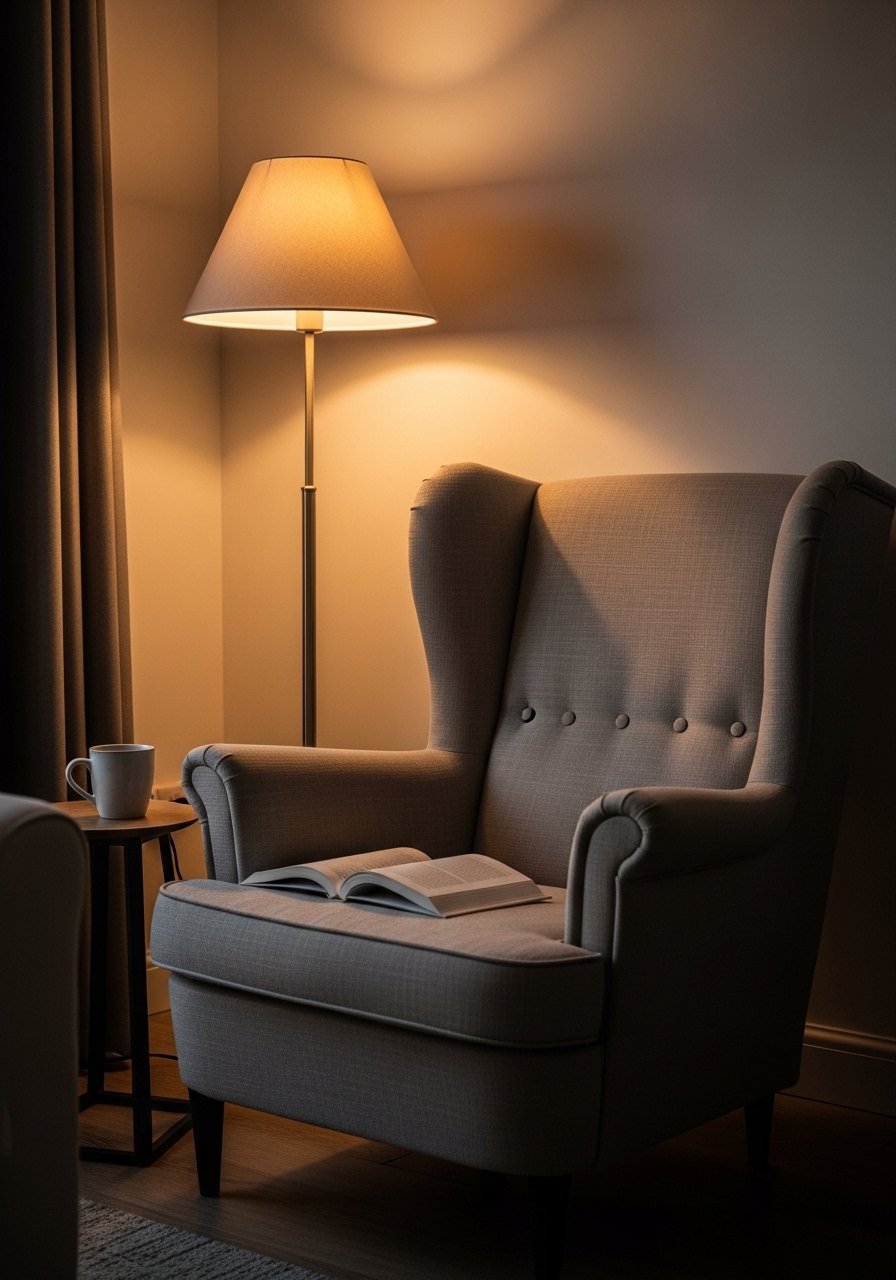
There is something about a reading nook with layered pillows that makes you want to cancel your plans. A wingback chair, a side table, and a tall floor lamp create a classic corner that is both useful and pretty. Aim for at least 18 inches between chair and table so you can set down a cup. Brass floor lamp with dimmer helps set mood. The common error is lighting that is too dim or too harsh. Layer light with a lamp and a nearby sconce if possible. Machines get you 99% there, eyes do the last bit.
Nesting Tables for Flexibility with Traditional Sofas
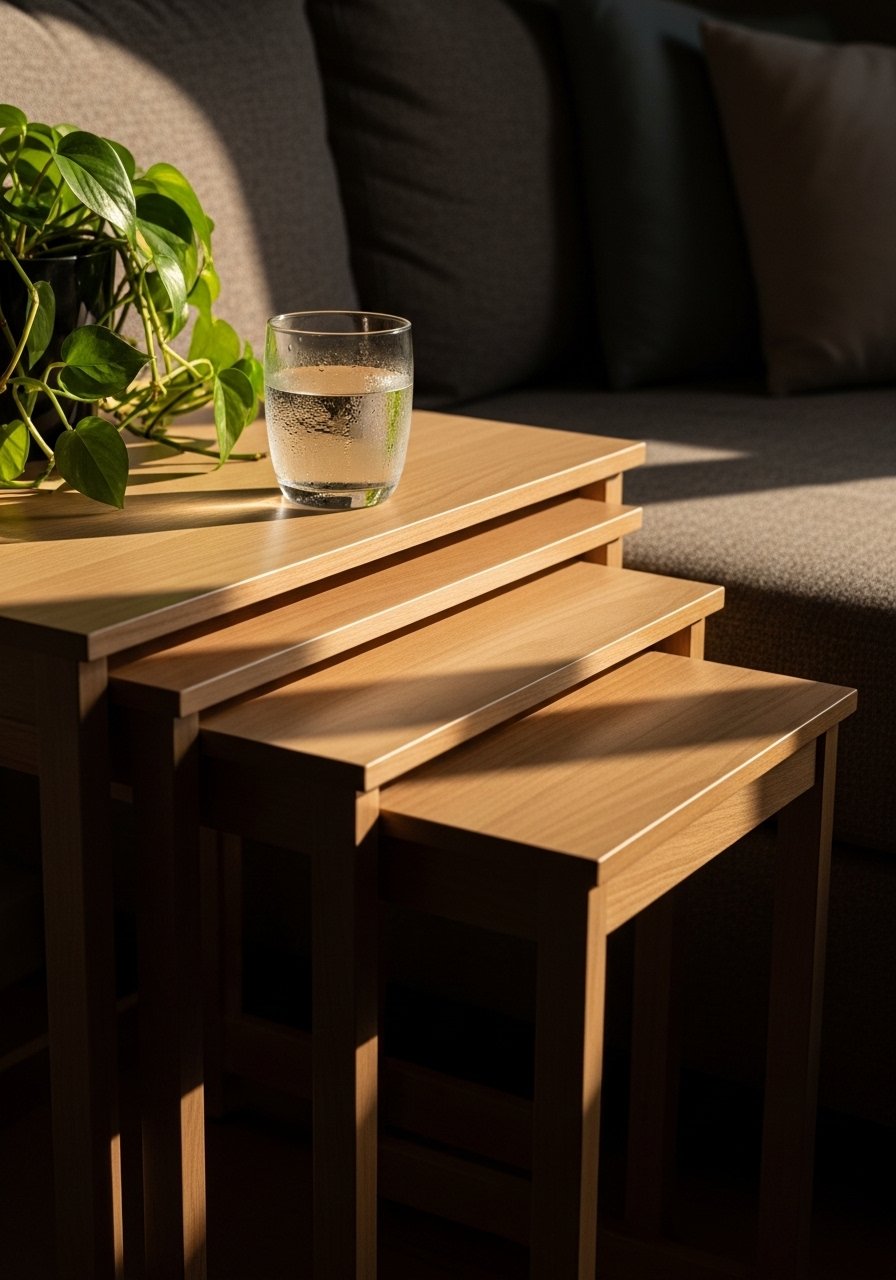
I bought nesting tables and stopped juggling coasters every time guests arrived. They tuck together for a neat look and separate when you need extra surfaces. Pick a set where the largest table is at least 20 inches square so it reads proportionally next to a traditional sofa. Wood and metal nesting tables set is a handy find under $100. The mistake is choosing pieces too flimsy to hold a lamp. Make sure the largest table supports what you intend to place on it.
Classic Fireplace Mantel Styling That Feels Intentional
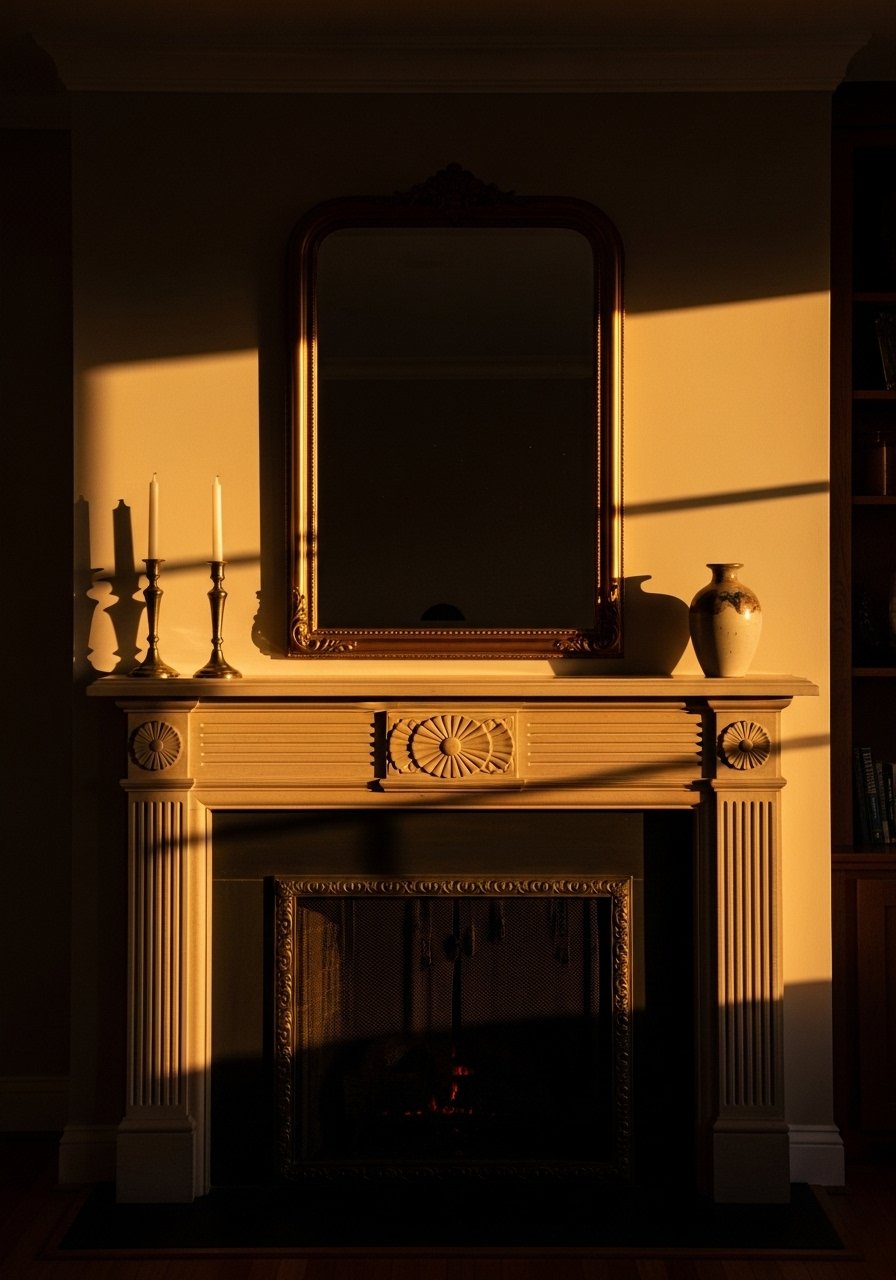
Styling a mantel taught me restraint. Start with one large central object, like a mirror or artwork, then add two smaller companions. I put a 36×48 mirror and flanked it with simple candlesticks to keep symmetry with my traditional furniture. 36×48 framed mirror works well above a standard mantel. People often overfill the surface which competes with the furniture. Keep negative space and use odd numbers for small objects.
Your Decor Shopping List
- Textiles
- Honestly the best $40 I have spent. Velvet pillow covers, set of 4 in two colors for a layered look, 22-inch covers, down-filled inserts optional
- Chunky knit throw in cream (~$35-55). Drape over the sofa arm for instant warmth
- Window Treatments
- For the curtain trick, you need length. Linen curtain panels 96-inch (~$30-50 per panel) for 9-foot ceilings
- Lighting
- Brass floor lamp with dimmer for reading nooks, about $80-140
- Furniture Anchors
- 8×10 wool area rug classic pattern durable and neutral, sizes and patterns vary, $150-400
- Round tufted ottoman 40-inch in linen or velvet, ~ $120-300
- Storage and Shelving
- 24-inch bookcase with adjustable shelves for faux built-ins, painted to match walls
- Accent Objects
- Mixed metal picture frames set (~$18-30) for a gallery wall
- Brass taper candlesticks set for mantel styling
- Alternatives
- Similar items are often at Target or HomeGoods if you prefer to touch fabric before buying
Shopping Tips
White oak beats dark wood in 2026. Design feeds have shifted completely. White oak floating shelves look current, not dated.
Grab these velvet pillow covers for $12 each. Swap them every 3 months and the whole room feels different.
Curtains should puddle or kiss the floor, never hang halfway up. Linen curtain panels 96-inch are right for standard 9-foot ceilings.
Found these while looking for something else. Brass picture ledges let you swap art without new nail holes.
Everyone buys five small succulents. One single 6-foot fiddle leaf fig has ten times the visual impact.
Frequently Asked Questions
Q: What size area rug do I actually need?
A: Bigger than you think. For a standard living room, go 8×10 minimum. All front furniture legs should sit on the rug. This 8×10 jute rug is neutral and tough enough for real life.
Q: Can I mix boho textiles with modern traditional furniture without it looking messy?
A: Yes. Keep the furniture classic and use boho textiles as accents. Limit prints to one statement textile and repeat a color from that textile in two other spots. The mistake most people make is overloading patterns without a unifying hue.
Q: Should I mix metals or match them in a traditional living room?
A: Mix them. It looks more intentional when done calmly. Start with one dominant finish and add 2nd and 3rd finishes in small doses. Mixed metal frames are a good place to start.
Q: How do I prevent a slipcover from looking like a costume?
A: Measure carefully and pick a tailored slipcover with ties or elastic hems. If the fit is slightly off, add piping or a back cushion to tidy the silhouette. Test in your room light before final purchase. Most matches work if you test in your lights first.
Q: Can I fix paint and fabric color mismatches at home?
A: Yes, but do a simple test first. Pull a small sample, place it in the intended spot under your actual lighting, and live with it for a day. Almost everyone regrets skipping room tests. If you plan mixes, remember pigment bias and test small batches before committing.