

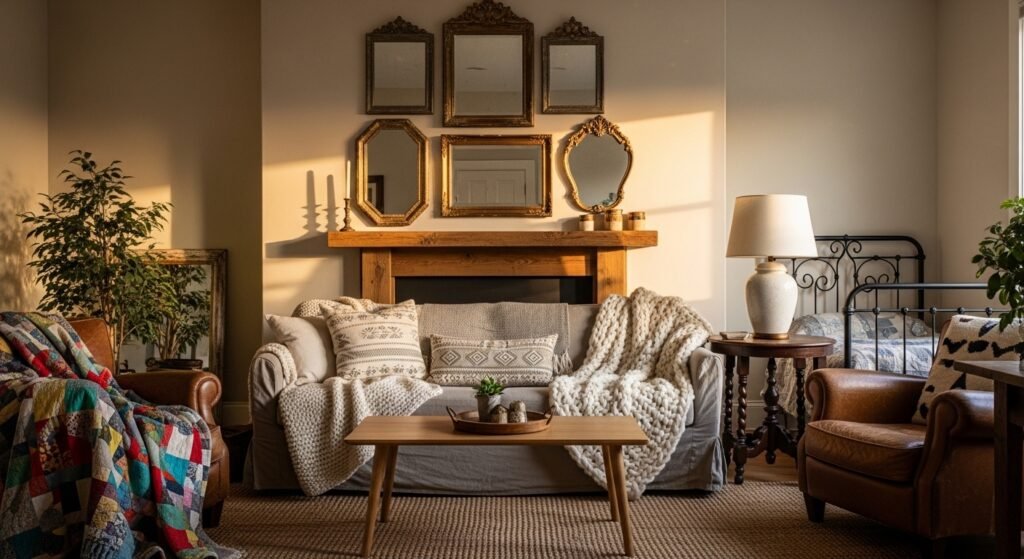
My living room had nice furniture and decent lighting but it still felt like a waiting room. Took me embarrassingly long to figure out it was missing texture. Every surface was smooth, every color was flat, and nothing invited you to actually sit down. Little fixes over a weekend made the room feel lived in, and most of them cost less than dinner out.
These ideas lean vintage eclectic and relaxed. Most projects run under $50, with a few splurges around $100 to $200. Works for bedrooms, living rooms, small entryways, or any spot that keeps feeling unfinished. Most folks hit the thrift store yearly for that one score piece.
Thrifted Mirror Grouping to Fake a Bigger Room
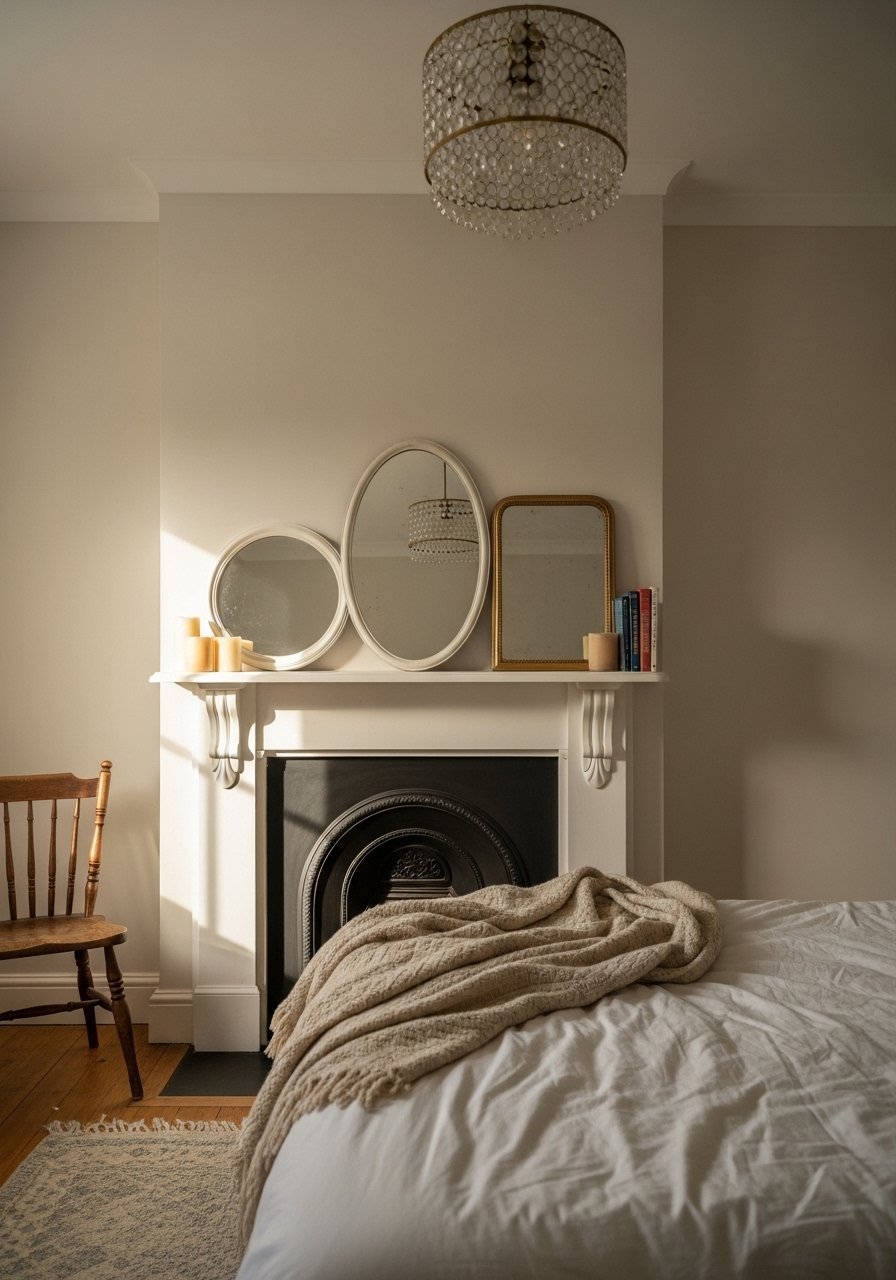
The moment I hung a trio of thrifted mirrors above the mantel the room stopped feeling boxed in. Use an odd number, three to five pieces, and vary shapes so the eye keeps moving. Aim for the largest mirror to be at least 24 inches across when your wall is under 8 feet tall so it reads as a focal point. Thrift frames that are missing glass look great and cost less, or swap in mirrored sheets if you want reflection without heavy glass. If you rent, use heavy-duty picture hooks or a console mirror resting on the mantel. I like pairing this with a small ornate round mirror for balance. Common mistake is hanging mirrors all at the same height. Stagger them a bit and the grouping reads collected, not staged.
Swap Dresser Pulls and Paint for Instant Personality
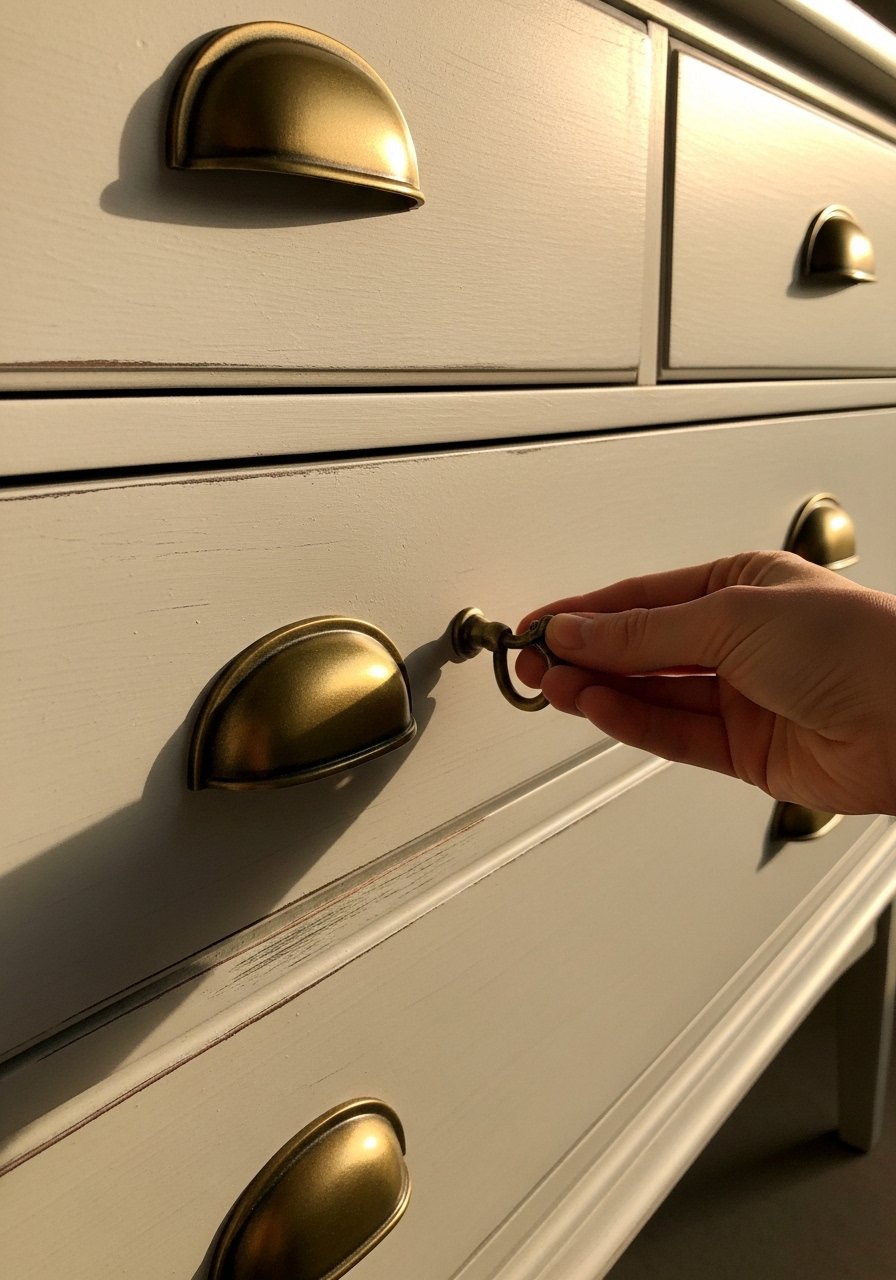
I used to think painting an old dresser was enough. It was not. Swapping the hardware first and then painting gives the piece personality without overworking it. Start by measuring your existing pull spacing, then buy pulls that match that spacing to avoid extra drilling. Chalk paint covers fast and you can distress the edges with fine sandpaper after the paint cures. Budget depends on pulls, but you can do a full refresh for $50 to $120. For renters, removable stick-on brass pulls look real from across the room. My go-to find is vintage-style brass drawer pulls. A pitfall is painting over old metal without de-greasing first; the paint chips faster that way. People drop $200 to 400 on that thrift dresser that changes everything, but you can get there cheaper with new hardware.
Drape a Vintage Quilt at the Bed Foot, Not Flat Across
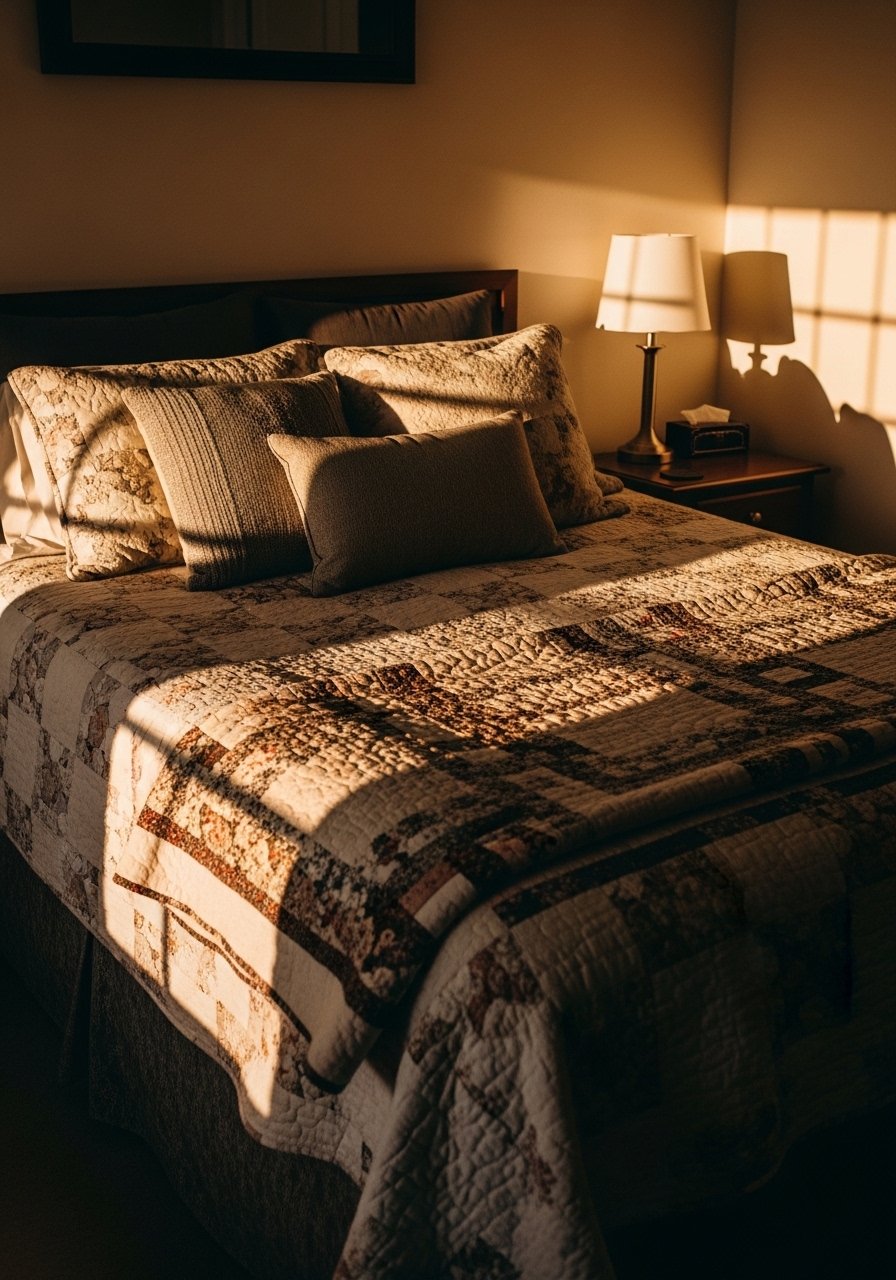
Throwing a quilt flat across the bed looks like a sheet gone wrong. Fold it lengthwise and drape it so one corner peeks out; that shows the pattern and keeps the bed from feeling bulky. A single quilt can be the color anchor in a neutral room. Look for quilts that are about 70 by 90 inches for queen beds so they hang enough to read as intentional. Vintage quilts shed, so wash on gentle and expect a few threads the first week. I like pairing quilts with a textured linen sham and a single patterned pillow. If you need a quick online search try handmade cotton quilts. A mistake is over-layering with heavy duvets and quilts; the bed needs balance, not armor. Over half mix old finds with new stuff now, which is exactly how a thrifted quilt feels in a modern bedroom.
Spray Paint Wicker for a Fresh Coastal Vintage Touch

An old wicker chair can look tired, or it can look intentional with a coat of spray paint. I prefer satin cream for coastal vintage rooms because it softens the texture without making it look new. Clean the chair with warm soapy water, let it dry 24 hours, then do thin misting passes of spray paint outside. Add a crochet throw to catch the eye and soften the seat. Budget sits around $15 to $40 including paint. For renters, choose a chair that is already freestanding so you do not need to make permanent changes to the room. I picked up a spray paint set for wicker that matched my trim color. Common error is heavy coats that drip. Thin layers take longer but give an even finish.
Rescued Hutch for Pretty, Practical Storage
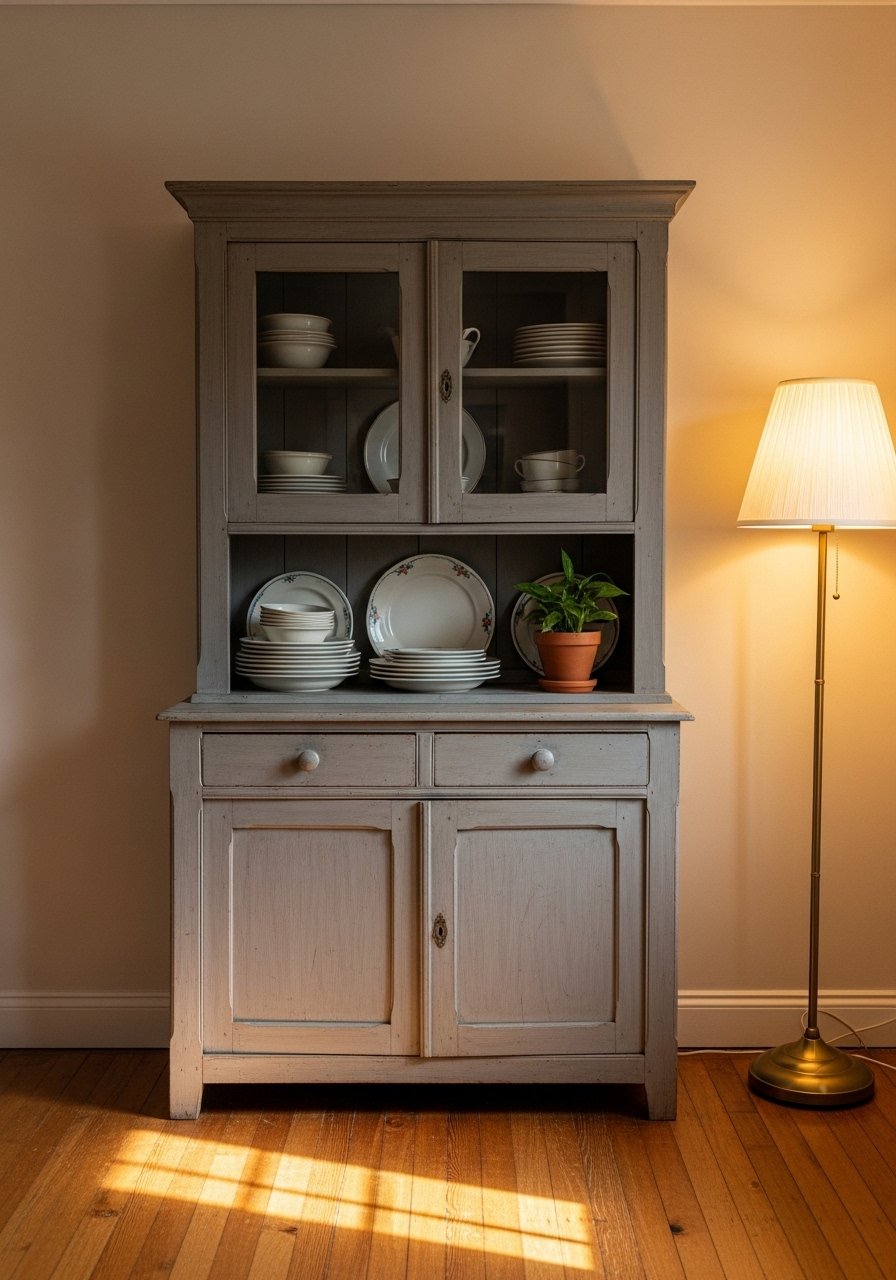
A hutch does storage and display at once, which solves the "where do I put everything" problem. I refurbished a thrifted curio by wiping down the glass, re-glazing the shelves with a darker stain, and leaving the original hardware. Fill it with three to five favorite dishes, a stack of books, and one quirky object per shelf to avoid looking like a shop display. Budget can range from $150 to $300 if you find a real piece, but smaller salvaged cabinets work the same way. If you rent and cannot move big items, a tall, narrow shelving unit styled the same way gives the same visual anchor. I recommend pairing this with ceramic plates or bowls, not paperbacks, because the weight reads more authentic. A good starter is vintage-style glass cabinet. People complain that thrifted stuff looks dusty; clean before you style and the patina becomes charming instead of sloppy.
Gallery Wall Using Old Knobs and Everyday Objects
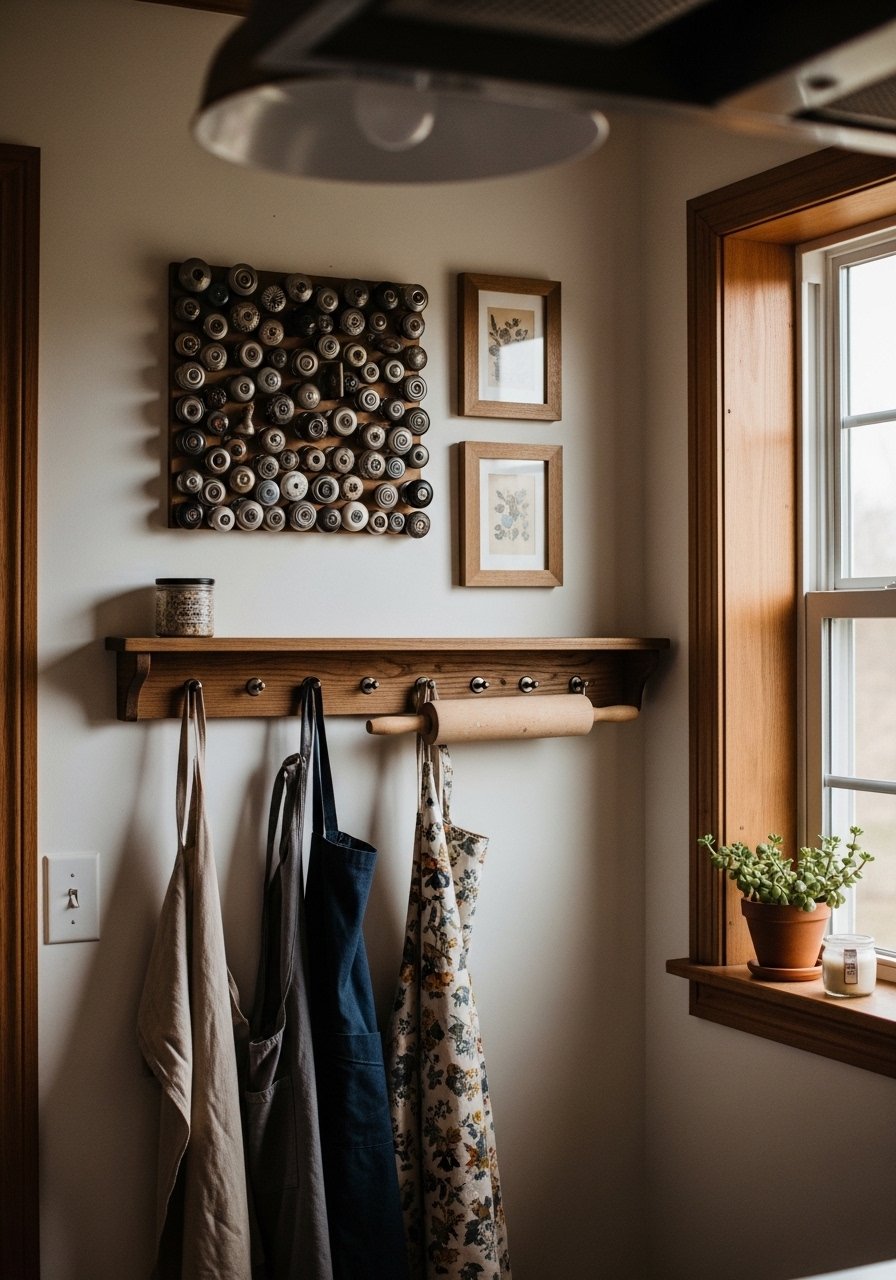
My friend hung a grid of doorknobs in her kitchen and suddenly the wall had a story. Use ceramic or brass knobs mounted on a wooden board to hang utensils, towels, or small pans. The trick is keeping the spacing consistent, about 4 to 6 inches apart, and balancing heavier items on the lower rows. This works in small kitchens or narrow hallways. If you cannot drill, use removable adhesive hooks that can hold a few pounds. I grabbed a pack of decorative ceramic knobs to mix with older pieces. Avoid cramming too many similar shapes together. The goal is casual, not cluttered.
Mix Wrought Iron with Wood to Ground Soft Vintage Rooms
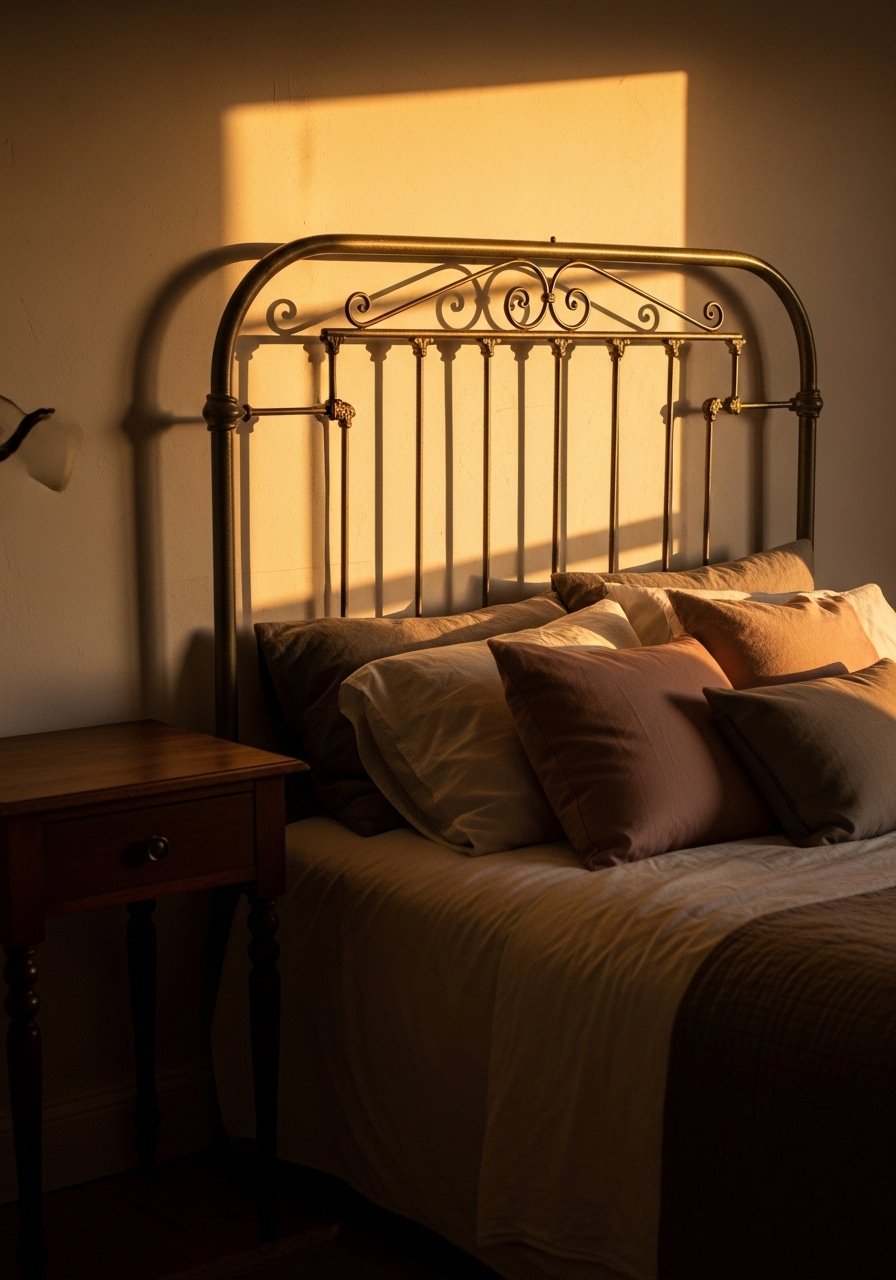
There is a heaviness to too much fabric. Adding one iron piece, like a headboard or a tall floor lamp, gives the room weight and prevents it from floating. I swapped a plain headboard for a low-wrought-iron frame and suddenly the linens read softer. Aim for a 60 percent wood to 40 percent textile balance in the room so materials do not fight. Wrought iron can be pricey, so consider a thrifted iron bench or even an iron mirror frame to get the effect for less. I like searching for vintage wrought iron bed frames if you want the real thing. One mistake is pairing iron with shiny chrome. Keep metals muted or mixed purposefully so they read cohesive.
Linen Throws on Furniture to Hide Wear and Add Movement
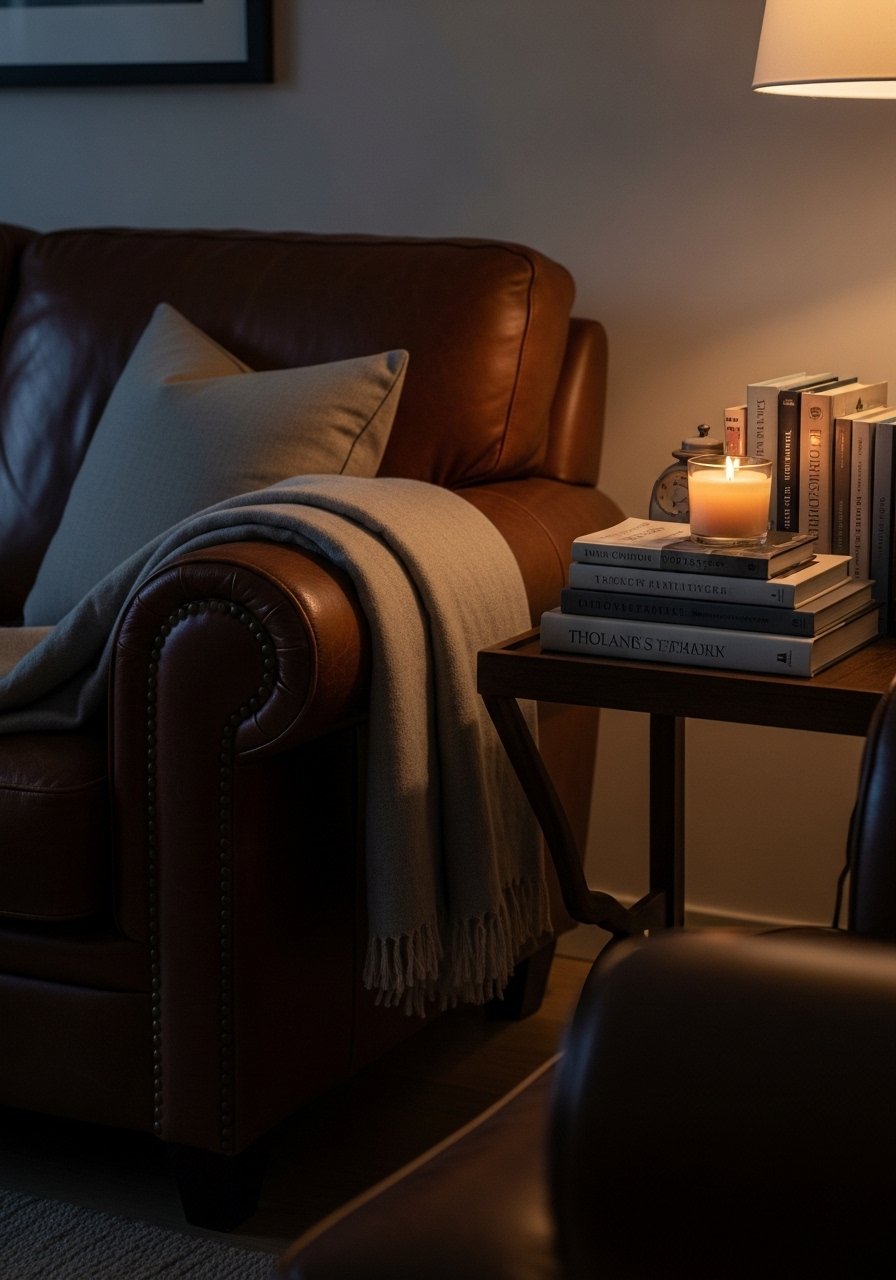
Spent $400 on a sofa and then forgot about texture. Drape a 60 by 80 inch linen throw over the arm and tuck one corner under the cushion so it looks lived in. Linen hides small scuffs and breathes better than synthetics, which helps if you have pets. Washable covers are a must if you have pets or kids, and linen gets better with softening washes. I keep a stonewashed linen throw in the closet for quick recovery after spills. A common mistake is folding throws too neatly. Let them slump and layer two textures for a gathered look.
Swap Cheap Frames for Antique Ones, Then Use Free Prints
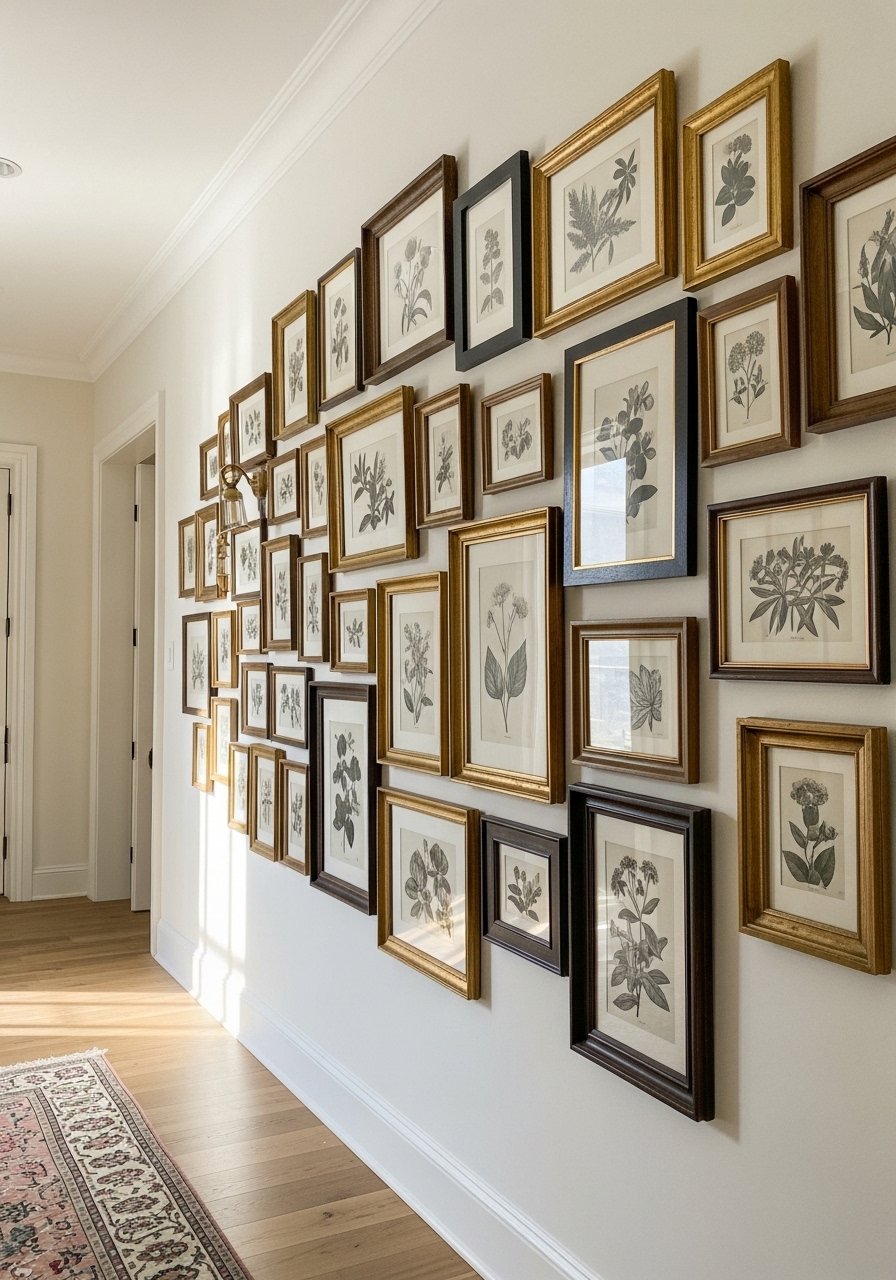
I used to buy new prints and cheap frames. Replacing the frames first, then using inexpensive or free printable art, makes everything look curated. Measure your frames and print art at home or use scaled-down vintage bookplates. Brass frames pair beautifully with black and white botanical images. If you cannot find real antique frames, look for heavy wood ones that mimic age. I like ordering mixed antique frames when I need a quick anchor. Avoid matching every frame the same size. An odd-numbered cluster with one larger piece makes the arrangement feel collected, not manufactured.
Layer a Patterned Rug Under a Neutral One for Depth
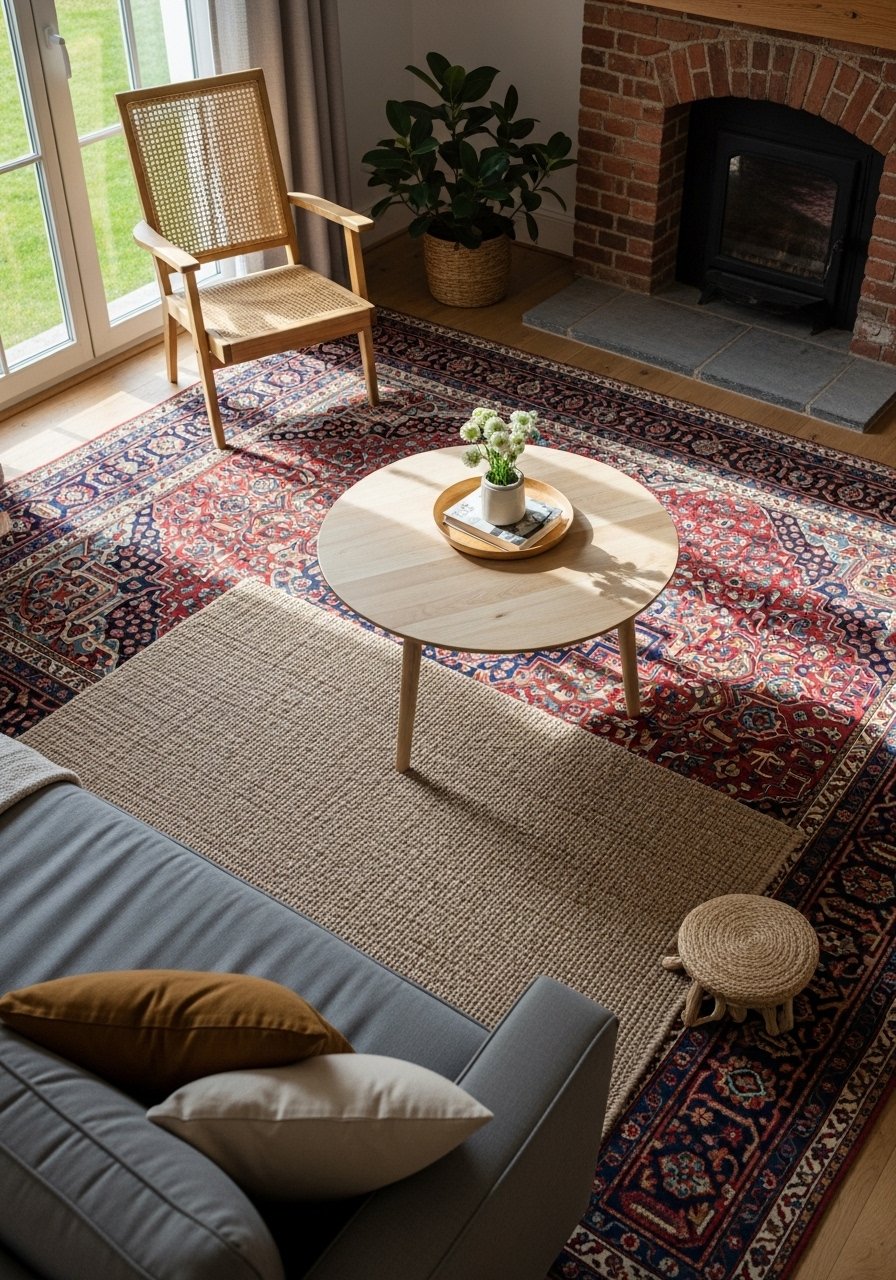
My first apartment had a tiny rug that vanished under furniture. Layering a small patterned rug under a neutral flatweave creates the illusion of depth and protects the vintage piece from high traffic. Keep the patterned rug about 4 feet by 6 feet for seating areas and then add an 8 by 10 neutral on top or vice versa depending on your sofa size. The rule I use is the outer rug should be big enough so the front legs of chairs sit on it. I found a flatweave jute rug that holds up to traffic and looks layered next to a patterned vintage runner. A rookie move is matching every color in the room to the rug exactly. Use one or two colors from the rug and leave the rest as breathing space.
Create a Rocking Chair Reading Corner with One Statement Pillow
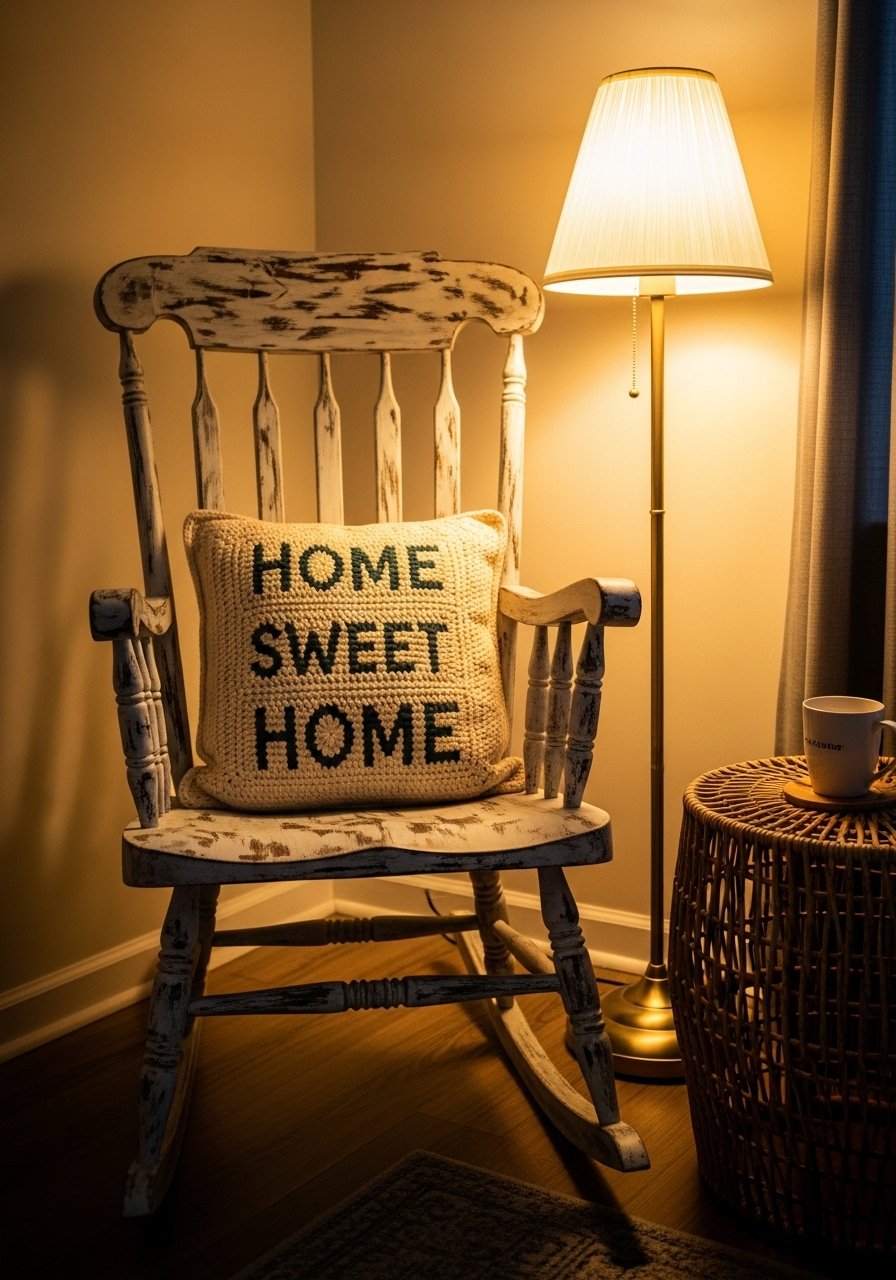
There is something about a reading nook that makes you want to stay. I rescued an old rocker, stripped the rough spots, and added a single 22-inch down-filled linen pillow. Keep the pillow pattern simple so it does not compete with a vintage quilt nearby. Add a floor lamp that arcs slightly so the light hits your lap without glare. A small rug under the rocker anchors the corner and prevents it from looking like an afterthought. If you need a low-cost starter try a distressed wooden rocker. Avoid tiny pillows that slide around. One substantial pillow keeps you comfortable and looks intentional.
Your Decor Shopping List
Textiles
- Honestly the best $40 I have spent. Stonewashed linen throw, 60 x 80 inches, cream
- Handmade cotton quilt, 70×90 inches in muted florals (~$45-85)
- 22-inch down-filled linen pillow cover in soft gray
Wall Decor
- Ornate round mirror, 24-inch for mantel groupings
- Mixed antique frames set for gallery walls
Furniture & Storage
- Vintage-style glass cabinet display for dishes and collectibles
- Distressed wooden rocking chair for a reading corner
Budget Finds
- Decorative ceramic knobs set for gallery hooks
- Brass drawer pulls antique style in matched spacing
Flooring
- Flatweave jute rug 8×10, neutral base
Most items are available at Target or HomeGoods as well if you prefer to see texture in person.
Shopping Tips
"White oak beats dark wood in 2026." Design feeds have shifted completely. These white oak floating shelves look current, not dated.
Grab stonewashed linen throws for $40 each. Swap them when they get grimy and the room feels refreshed.
Curtains should puddle or kiss the floor, never hang halfway up. These 96-inch linen panels are the right call for 9-foot ceilings.
If you have pets, choose washable cotton slipcovers and a durable jute rug rather than delicate antique runners. That keeps the vintage look without constant stress.
When thrifting, bring a tape measure and take a photo of the wall you might put the piece on. If a piece is too small for your space, stack baskets or use vertical shelving to make it read larger. I try to spot things that will work in layers, not standalone.
Frequently Asked Questions
Q: Can I mix boho textiles with modern furniture without it looking messy?
A: Yes. Keep one consistent color family and limit pattern to one or two pieces. Use scale to your advantage, like a large patterned rug with solid linen pillows. Pairing an iron accent with soft textiles helps anchor the look.
Q: How do I hang a thrift mirror grouping so it does not fall?
A: Use two points of hanging hardware on heavier mirrors and heavy-duty picture hooks rated for the mirror weight. If you cannot drill, rest a mirror on a mantel or shelf and secure with museum gel. The largest mirror should be the anchor and sit slightly off center for the most natural look.
Q: What size rug do I actually need for a layered rug look?
A: The outer rug should be big enough so the front legs of seating sit on it. For most sofas that means at least 8×10. A patterned rug layered under a neutral one can be 4×6 to 5×8. Try an 8×10 jute rug as a reliable base.
Q: Can renters do any of these ideas without risking their deposit?
A: Absolutely. Choose freestanding pieces, removable hooks, and stick-on hardware. Swap drawer pulls for removable faux pulls and use console mirrors leaned against walls instead of drilling.
Q: My thrifted quilt sheds a lot. What should I do?
A: Wash on gentle with like colors, then air dry. Expect some shedding the first wash. Keep a lint roller handy and avoid placing the quilt under heavy traffic for the first week.
Q: Should I mix metals or keep everything matching?
A: Mix them. A combination of aged brass, iron, and warm wood reads collected. Keep the overall balance so no single metal dominates the room.
Q: What is a quick fix if a room still looks empty after thrifting?
A: Add texture and one low piece of furniture, like a console or small hutch, so the room has an anchor. Odd-numbered groupings of objects on shelves make the space feel gathered rather than staged.
Q: How do I protect painted thrift furniture from chipping?
A: Clean and sand lightly, use a primer, and finish with a durable topcoat. Avoid dragging heavy items across painted surfaces in the first week. Use felt pads under lamps and decor.